
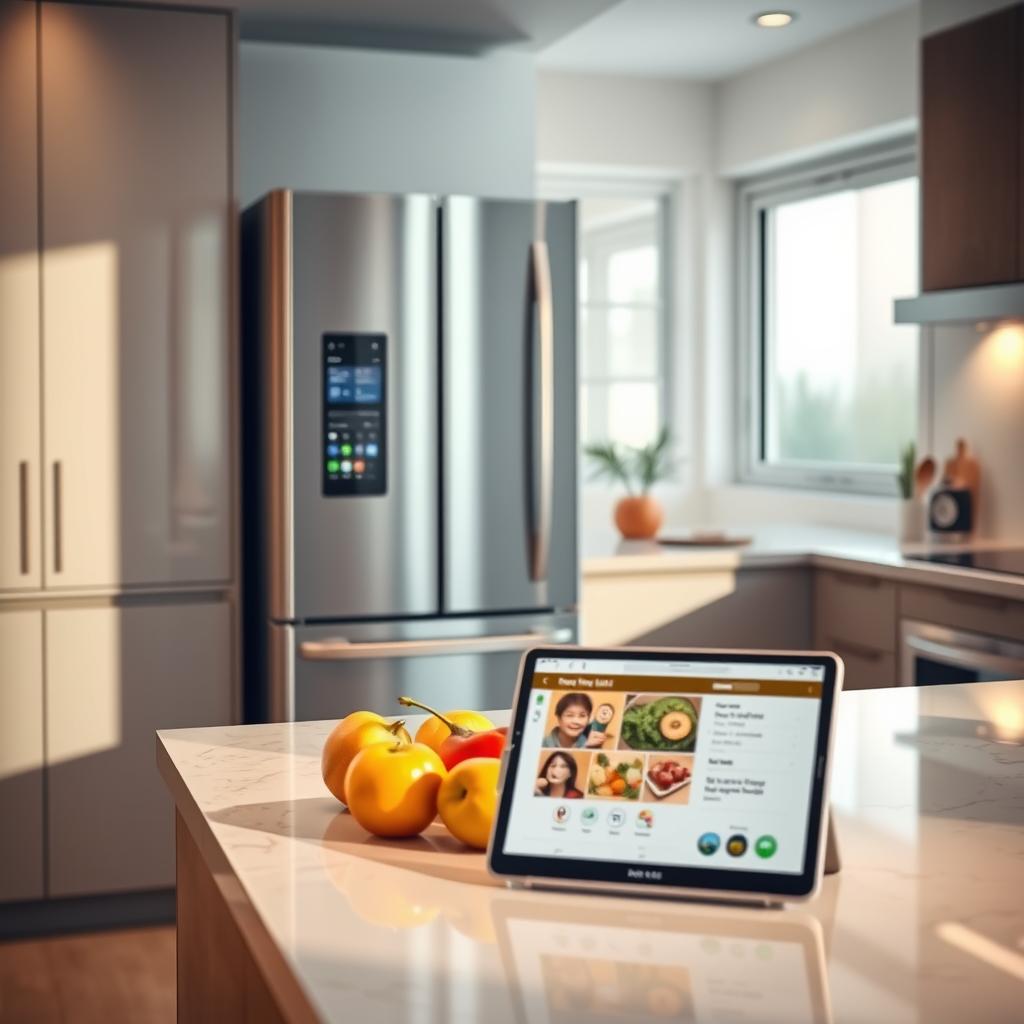
We know how a busy morning can turn on its head when you open the fridge and nothing is ready. I’ve seen families, renovators, and cooks breathe easier when a well‑chosen appliance streamlines routines and makes life easier.
In 2025, meaningful upgrades matter: AI vision that recognizes produce, energy modes that adapt to use, and thoughtful design like hidden dispensers and ergonomic door layouts. These are the kinds of advances that change daily life, not just add a bright screen.
We’ll explain core tech, connectivity for your smart home, and design choices so you can match models to your kitchen. Expect clear notes on storage, water and ice options, and which software updates matter over time.
Start browsing curated models and planning tools at our kitchen hub, or read complementary design tips on smart mirror integrations. We’ll call out standout models like the Samsung RF29DB9900QDAA and explain what AI Vision Inside really does for families at home.
Key Takeaways
- Look for practical upgrades—energy modes and reliable vision over novelty screens.
- Match storage design and door layout to your cooking habits.
- Hidden dispensers and flexible drawers often add the most daily value.
- Connectivity should simplify tasks within your smart home, not complicate them.
- Prioritize models with long‑term software support and clear performance notes.
Why this Buyer’s Guide matters right now
Modern refrigerators blend app control, internal cameras, convertible drawers, and large displays. Many top models are Energy Star certified, and industry testing now prioritizes temperature uniformity, humidity control, and storage flexibility.
We wrote this guide because fridges have matured fast. That makes today the right moment to weigh which upgrades truly help your home and which you can skip.
Supply and pricing cycles in 2025 favor buyers who compare specs and confirm Energy Star status before they commit. Post‑purchase support and software updates matter more than launch‑day hype. We evaluate longevity and reliability, not just the latest display or app.
- Practical wins: internal cameras and convertible drawers add real utility when matched to your kitchen needs.
- Testing matters: choose models with proven temperature stability and humidity control.
- Plan ahead: align appliance size with cabinetry, water lines, and power runs for a clean install.
- Know the trade-offs: large touchscreens and extra apps are useful—but only if they support basic cooling performance.
For more kitchen upgrade paths and layout guidance, see https://zovehomes.com/kitchen/ to connect appliance choices with cabinetry and design.
Quick link: explore more kitchen upgrades
Upgrade choices for the kitchen should focus on usability, longevity, and how doors and storage work in real life. We built a central hub to help you move from research to a confident shortlist.
Visit the main kitchen hub at Zove Homes to compare appliance options, budgets, and timelines. The hub centralizes curated fridge picks — from classic French door to four‑door flex — along with storage planning and model comparisons.
- Shortlist faster: filter models by budget, finish, and storage needs.
- Visualize fit: compare layouts, measure clearances, and check door swing before you buy.
- Plan installation: gather specs, installation guides, and request estimates in one place.
- Get help: contact our team for personalized advice on cabinet mods, power, and ventilation.
Use the hub to save time and avoid remodel surprises. When you’re ready, our specialists will align your selections with design and performance priorities for your home.
Understanding smart refrigerator features
Today’s linked appliances focus on practical help—alerts, remote checks, and easy adjustments from your phone. We’ll walk through the core functions and the everyday gains they deliver so you can judge real value.
Core functions you’ll use daily
Connectivity and control: Most models offer Wi‑Fi pairing and an app for on‑the‑go adjustments. Popular brand apps include SmartThings, ThinQ, SmartHQ, and Home Connect.
- Status alerts: door‑ajar, temperature shifts, and filter reminders protect groceries.
- Cameras and sensors: remote views let you check items and avoid extra store runs.
- Diagnostics: basic remote checks reduce service visits by pinpointing issues early.
Everyday benefits
These tools cut food waste, save time, and simplify upkeep. For multi‑user homes, app profiles keep controls consistent across family members.
Want to compare how brands bundle these options and present them in the app? Visit our kitchen hub to side‑by‑side test drive of refrigerators and control layouts.
AI goes inside the fridge: cameras, vision, and recommendations
Inside‑camera tech now turns fridge contents into usable inventory and recipe prompts. We test how AI Vision Inside and Family Hub+ translate what you store into actionable meal ideas.
AI Vision Inside and Family Hub+ displays
AI Vision Inside can auto‑label up to 37 unobscured fresh items like select fruits and vegetables. Family Hub+ shows inventory cues and personalized recipes based on what it sees.
What AI can (and can’t) recognize, plus privacy
The system needs Wi‑Fi and a Samsung account to sync. Recognition is solid for clear produce but struggles with occluded or packaged goods. Labels often need manual edits.
Real-world use and everyday gains
- Check the interior from the store to avoid extra runs — an easy way to look inside without opening the door.
- AI alerts and logs can reduce food waste and nudge smarter grocery choices.
- Some platforms pair vision with energy modes and refined water/ice options like a preferred ice maker.
Note: Privacy matters—review account permissions and camera settings before full use. For models with robust AI and displays, browse options at https://zovehomes.com/kitchen/.
Connectivity and ecosystems: Alexa, Google, SmartThings, Home Connect
How a fridge plugs into your ecosystem often determines how useful it will be day to day. We look at voice assistants, routines, and app controls so you can choose models that match your home network and habits.
Voice assistants and smart home routines
Alexa and Google cover the basics: voice control, quick checks, and routine triggers. Many refrigerators pair with either assistant for simple tasks like announcing timers or closing the loop when someone leaves doors open.
GE Profile adds IFTTT support for creative automation. For example, you can flash lights or send messages during long door‑ajar events.
Brand apps compared
Apps vary in depth. SmartThings offers broad device linking and complex scenes. LG ThinQ focuses on maintenance alerts and easy diagnostics. SmartHQ is practical for GE owners, and Bosch Home Connect emphasizes core controls and reliability.
- Confirm you can change temperature and key settings remotely.
- Check whether the dispenser and internal sensors report status to your app.
- If energy tracking matters, verify usage history and optimization options.
We recommend choosing platforms that play well across brands and deliver stable updates. Explore compatible models at https://zovehomes.com/kitchen/ to match your ecosystem and long‑term energy goals.
Design and door configurations: french door, side-by-side, and 4-door flex
A well‑planned fridge layout saves steps, reduces spills, and makes snacks easy to find. Good design choices matter for flow, access, and how your kitchen feels every day.
French door advantages for families
French door layouts keep fresh foods at eye level and make wide platters easy to store. Tops that open as double doors help families reach produce without bending into a bottom freezer.
Convertible drawers and beverage centers for flexible storage
Convertible drawers add instant options for drinks, deli items, or bulk prep. Models from Hisense and Café offer adjustable middle drawers, while Samsung’s 4‑Door Flex converts a zone between refrigerator freezer modes.
- Side‑by‑side: saves swing space but narrows shelf width.
- Convertible drawer: quick temp shifts for snacks and party trays.
- Beverage center: hides the dispenser and supports AutoFill pitchers.
Measure depth, handles, and clearance around islands before you buy. For finish matching and layout planning, explore configurations at https://zovehomes.com/kitchen/.
Cold performance and temperature settings that actually preserve food
Cold performance determines whether groceries last a week or spoil by midweek. We focus on how steady climate control, humidity management, and drawer design protect quality and cut waste.
Uniform cooling, moisture control, and drawer design
Superior cold performance starts with stable temperature and humidity across shelves and compartments. That stability keeps leafy greens crisp and dairy firm.
Look for crispers with humidity sliders and dedicated deli or meat drawers. Check drawer depth if you prep sheet trays or store flat containers.
- Review shelf‑to‑shelf uniformity tests to avoid hot spots.
- Confirm quick‑chill modes to restore set points after big shopping trips.
- In a combined fridge freezer, airflow and door use affect frost and moisture control.
AI energy modes and compressor optimization
AI Energy modes smooth compressor ramps and time defrost cycles to keep cooling steady with less noise and reduced energy use.
A few advanced systems add a Peltier element to temper spikes when the door opens often. Some models also let you set precise temperature settings for convertible zones to protect meats, drinks, or produce during busy weeks.
See performance‑focused models at https://zovehomes.com/kitchen/ and compare crisper and deli drawer designs to match your routine and storage needs.
Water, ice, and dispensers: from autofill water to craft ice
What you expect from a dispenser shapes both daily use and the kitchen look. We weigh speed, cleanliness, and style so you pick the right balance for your home.
AutoFill pitchers and hidden dispensers
Hidden dispensers keep fronts clean. Samsung’s Beverage Center hides the tap and includes an AutoFill water pitcher for quick refills without a cluttered door.
Bosch places water dispensers inside the fridge to preserve a minimalist facade. GE Profile offers AutoFill on some external dispensers if you prefer one‑hand convenience.
Ice maker types and design trade‑offs
Ice options matter. LG Craft Ice makes round spheres for cocktails. Nugget and standard cubes serve daily needs. Each type has storage and speed trade‑offs.
- Decide if an external dispenser or hidden AutoFill water pitcher fits your counter use and look.
- External dispensers add one‑hand speed; internal dispensers keep a refined front but need the door opened.
- Factor filtration cost, service access, and child locks into ownership, not just initial specs.
- Entertainers may want dual ice makers; families should check spill controls and bin placement.
Shop fridges and find the exact water and ice experience you want at https://zovehomes.com/kitchen/.
Materials and finishes: stainless steel, glass, matte, and panel-ready looks
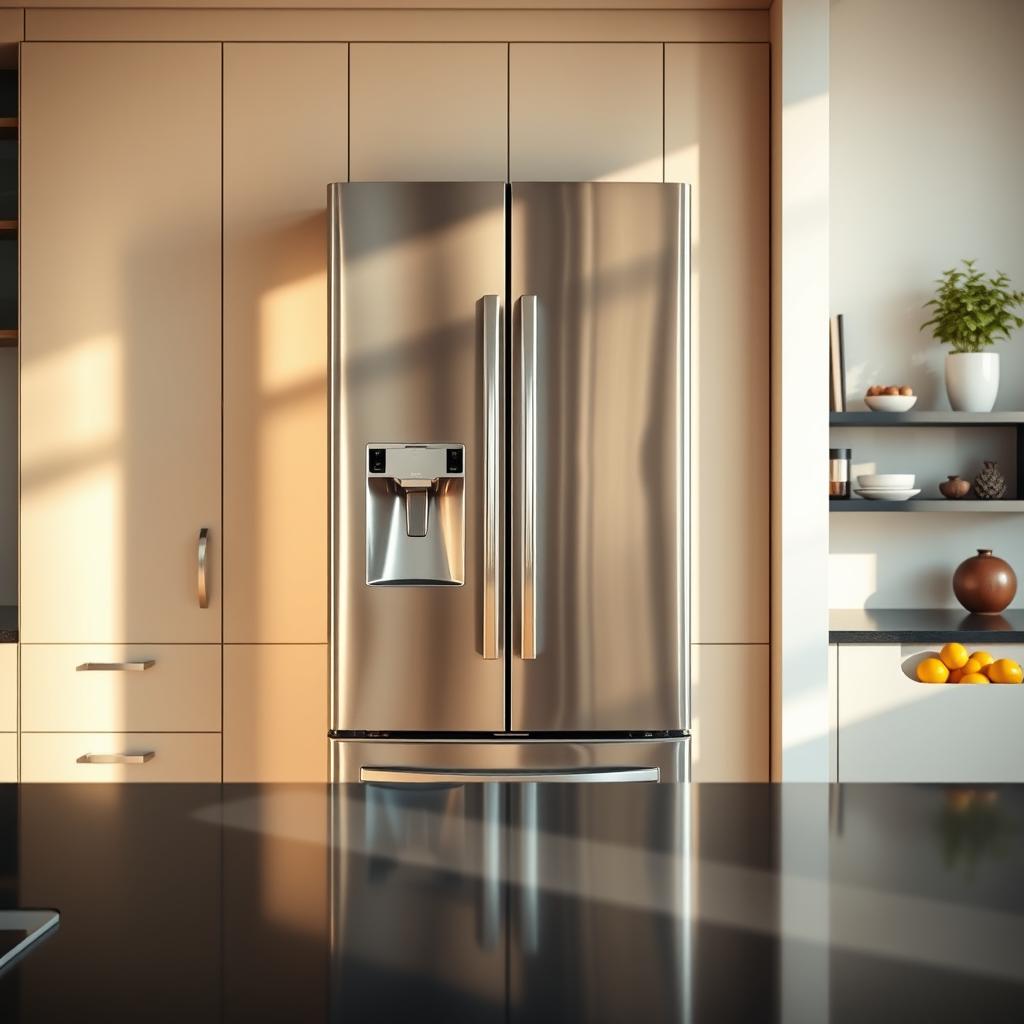
A refrigerator’s finish can make it disappear into cabinetry or stand out as a focal point. We focus on finishes that balance utility with lasting design appeal.
Fingerprint resistance and built‑in aesthetics
Popular choices include fingerprint‑resistant stainless steel and white glass. Panel‑ready options deliver a clean, built‑in look when paired with matching millwork.
Practical tips for finish selection
- Harmonize tones: choose finishes that complement cabinet colors and lighting so the fridge reads as intentional in the design scheme.
- Fingerprint coatings reduce daily care on high‑traffic doors and handles.
- Panel‑ready units and counter‑depth models create a seamless built‑in impression in open plans.
- Consider handle styles—recessed, pocket, or bar—to match nearby oven and dishwasher hardware.
Brands like Café offer customizable hardware, and Bosch emphasizes a sleek counter‑depth aesthetic. If you’re mixing brands, hardware kits help keep looks cohesive across refrigerators. Explore finish samples and panel options at https://zovehomes.com/kitchen/ to coordinate with your home palette and lighting plan.
Storage smarts: door-in-door access, sliding shelves, and deep door bins
Well placed bins and sliding shelves make everyday use feel effortless. Door‑in‑door access gives quick access to frequent items without opening the full compartment, saving cold air and time.
Adjustable sliding shelves and flip‑up sections adapt fast to tall bottles or party platters. LG’s slim ice module preserves shelf width so you can keep more usable space for trays and containers.
- Door‑in‑door access speeds grabs and cuts wasted chill when you need something small.
- Deep bins in a door refrigerator layout keep milk, condiments, and kids’ snacks front and center.
- Modular systems like Bosch’s FlexBar corral small items and stop them from vanishing in the back.
- A wide drawer handles weekly restocking—charcuterie, meal prep, or party trays—without crowding shelves.
We recommend planning zones for beverages, produce, and leftovers so everyone knows where items belong. Choose sturdy, easy‑to‑clean parts and consider stainless steel interiors and bright lighting for better visibility.
Compare organization options by model at https://zovehomes.com/kitchen/ before you finalize cabinet and pantry plans.
Energy efficiency and software updates over time
Energy use and update policies are the quiet decisions that shape ownership costs and long-term reliability. We recommend confirming Energy Star status and a brand’s update policy before you buy so the baseline efficiency and ongoing support line up with your expectations.
Energy Star ratings and AI Energy modes
Prioritize Energy Star models, then layer on AI Energy modes that adapt compressor speed and defrost timing to your routine. These modes can trim real-world consumption and reduce run time without sacrificing cold performance.
Longevity of software support, updates, and security
Many fridges have received meaningful improvements via Wi‑Fi updates since mid‑2023. Ask how long security patches and app support will last, and whether an account is required to receive critical updates.
- Check update scope: confirm which settings and optimizations can arrive over the air.
- Manageability: verify you can control efficiency modes in the app and set schedules for travel or low‑use periods.
- Data and vision: read permissions for vision and telemetry so you know what’s shared.
Bottom line: choose Energy Star as a base, prefer brands that deliver meaningful post‑purchase updates, and keep firmware current to protect energy savings and security. See model options and update policies at https://zovehomes.com/kitchen/.
How we evaluate smart fridges: performance, usability, and tech
Our testing starts with core climate control — the cold that keeps food safe and fresh.
We combine lab measurements with months of real‑home trials to score refrigerators for everyday ownership. Lab tests focus on uniformity, humidity ranges, and long‑term freezer stability. Real use catches quirks that machines miss.
Temperature regulation, humidity, and freezer stability
We grade temperature uniformity across shelves and crisper zones. Humidity control earns higher marks when leafy greens stay crisp. Freezer tests check for swings that harm texture and safety.
Ease of use: controls, manuals, handles, and lighting
Ergonomics matter. We read manuals, test control layouts, and rate handle comfort. Lighting and interior finishes affect visibility and cleaning. Those practical wins add daily value.
App reliability, cameras, sensors, and smart alerts
Tech review covers Wi‑Fi stability, an app that stays connected, camera responsiveness, and timely alerts for doors and filters. We favor models that pair strong core cooling with durable digital tools and clear support.
- Summary: models that excel combine precise cooling, intuitive design, and stable vision‑enabled monitoring.
If you want a personalized shortlist based on our criteria, connect via https://zovehomes.com/kitchen/ to match an appliance to your routine and use case.
Editor’s highlights: models that stood out in 2025 testing
After months of lab runs and home trials, a few models rose to the top for practical daily use. We focused on performance, access, and controls that matter in real kitchens.
Samsung 4‑Door Flex with AI Family Hub+
Why it stood out: large media hub, AI Vision Inside, hidden water with an auto‑refilling pitcher, and nugget‑style ice for entertaining.
Hisense Pureflat 4‑Door
Why it stood out: value french door refrigerator with a convertible middle drawer (27°F–41°F) and simple controls for easy daily use.
LG Signature & Craft Ice
Why it stood out: InstaView lets you see inside without opening the door, while Craft Ice models deliver round spheres and a refined stainless steel interior.
Café, GE Profile, and Bosch 800 Series
- Café: design‑forward look with an adjustable temp drawer for flexible storage.
- GE Profile: notable autofill water, door‑in‑door access, and IFTTT automations.
- Bosch 800: minimalist look, internal dispenser and ice, plus the FlexBar for small‑item organization.
Quick tips: check ice maker style and capacity, confirm drawer settings for drinks or charcuterie, and prefer internal dispenser designs if you want a cleaner facade. Explore these models and more at https://zovehomes.com/kitchen/ to compare prices and availability.
Pros and cons of smart fridges for U.S. homes
For many U.S. homes, the question isn’t whether new tech is neat — it’s whether it saves time and cuts food waste. Below we lay out when the premium is worth it and when a classic model makes more sense.
When the premium is worth it—and when a classic fridge is enough
Pros: Connected units improve organization with cameras and alerts, helping lower food waste and extend appliance life through timely maintenance reminders.
Pros: Integrations can ping you if someone leaves open doors and enable remote checks to avoid a last‑minute store run.
Pros: Large screens and hubs centralize calendars, recipes, and music for homes that use those conveniences regularly.
- Cons: Higher upfront cost and more components to service than traditional fridges.
- Cons: Software support can be shorter than the hardware life, and updates may complicate repairs.
- Cons: Not all options fit every household—avoid paying for functions you won’t use.
For light‑tech users, a classic model with strong core cooling is often the smarter buy. For busy families or frequent entertainers, the convenience gains from a connected fridge often justify the price.
Our approach: we’ll help map your routine to the right options so you don’t overpay. If a simpler model is smarter for your needs, we’ll help you choose it at https://zovehomes.com/kitchen/.
smart refrigerator features checklist for shoppers
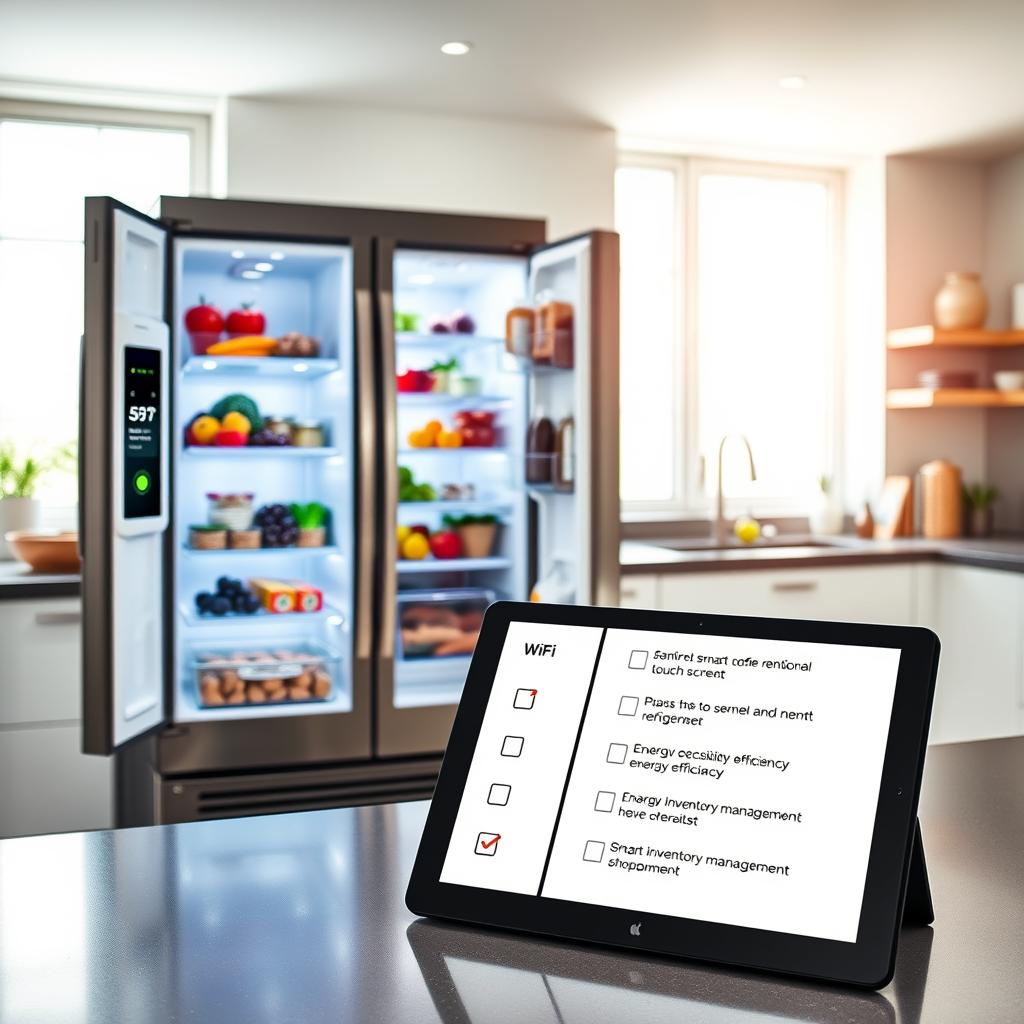
Begin by listing the day-to-day tasks you want your appliance to handle, then match options to those needs. That keeps decisions tied to real routines and avoids paying for extras you won’t use.
Must-have vs. nice-to-have features for your family and space
Must-have: stable cooling, Energy Star efficiency, clear controls, reliable app alerts, and flexible storage that adapts to weekly groceries.
- Must-have: water filtration that’s easy to replace and an ice system sized to your household’s use.
- Nice-to-have: internal cameras, large displays, voice control, and advanced inventory tracking if you will use them regularly.
- Evaluate types of drawers (crisper, deli, convertible) and what your family reaches for most.
- Match door styles to your space—French door for wide storage, side-by-side for tight aisles, or 4-door flex for versatility.
- Confirm finish durability against fingerprints and whether it coordinates with nearby appliances.
- Verify shelf and bin adjustability for tall bottles, trays, and weekly habits.
- Compare app reliability and update cadence; a feature is only useful if it works when you need it.
Tip: List must-have options first, then add nice-to-have items that fit your budget and space. Download a personalized checklist and shop matching models at https://zovehomes.com/kitchen/ to compare refrigerators and find the right fridge for your home.
Sizing and fit: capacity, cabinet clearance, and door swing in American kitchens
Sizing a fridge for real kitchens starts with a tape measure and a plan for how doors will swing.
Measure width, height, and depth with doors attached and again with doors removed. Confirm height for overhead cabinets and depth to align with counters.
Check hinge clearance and wall proximity so the door opens fully without hitting adjacent panels or an island.
Verify path‑to‑install measurements. Hallways, stairwells, and doorways must fit the delivered unit and its packaging.
- Consider working triangle placement — fridge relative to sink and range affects daily flow.
- If you buy a fridge freezer combo with a large bottom drawer, ensure full‑extension clearance.
- Counter‑depth models save visual space but reduce interior capacity; compare cubic feet and interior layout.
- Confirm water line access and shutoff if you plan to use an ice dispenser.
Before ordering, use our measurement guide and fit checklists at https://zovehomes.com/kitchen/ to avoid surprises and pick the right model among available models and refrigerators for your space.
Budgets, financing, and warranties
Budgeting a new kitchen appliance starts with the total cost, not just the sticker price. We recommend building a realistic figure that covers delivery, hookup, and disposal so there are no surprises.
Price tiers and value picks
Set a clear budget range and match it to the performance you need. Value picks usually include strong core cooling, a reliable dispenser, and an easy app without overpaying for extras.
- Include delivery, installation, water line kits, and haul‑away fees.
- Compare models by lifetime cost, factoring energy savings and filter replacement.
- Check parts availability and service networks for brands on your shortlist.
Warranty terms, promotions, and extended coverage considerations
Watch for seasonal promotions and manufacturer extensions. For example, qualifying Samsung appliance purchases in 2025 may include an extra year of warranty—verify dates and submission rules before you buy.
- Extended coverage can help for electronics and ice systems; compare exclusions.
- Financing options (Affirm, etc.) vary by state and credit—review APR and total cost.
- Document serials, receipts, and submit claims before deadlines.
See current promotions and warranty terms, and shop value picks at https://zovehomes.com/kitchen/ before you commit.
Ready to upgrade your kitchen?
A thoughtful appliance choice can turn a cluttered kitchen into a calm, well‑run hub for daily life. We guide you from model comparisons to install so the transition is smooth.
Get started: browse smart fridges and more at Zove Homes
Explore the Zove Homes kitchen hub to compare models, plan finishes, and schedule installation. We help you match an appliance to your layout, delivery constraints, and budget.
- Filter curated smart fridge options by size, finish, water/ice, and storage must‑haves.
- Compare models side‑by‑side and save a shortlist to review with your designer.
- Get expert input on fitting a new unit into your smart home and cabinetry plan.
- Access measurement guides and checklists so delivery and installation go smoothly.
- Coordinate finishes and handles for a cohesive look across your appliances.
- Review transparent pricing, promotions, and budget scenarios.
- Ask us for a custom recommendation based on family routines and storage priorities.
- When ready, schedule delivery and professional installation to protect your warranty.
- Bookmark the hub to track updates and software improvements after purchase.
Explore and shop at https://zovehomes.com/kitchen/ for curated selections, guidance, and personalized recommendations that make your upgrade effortless.
Conclusion
A clear end goal makes choosing the right fridge far simpler: preservation first, conveniences second.
The best refrigerators keep temperature and humidity steady to protect food, then add tools like AI Vision Inside, AutoFill pitchers, convertible drawers, and reliable apps that actually help daily routines.
Choose a design that suits your family and space: French door access, hidden dispensers, or convertible zones for entertaining and meal prep.
Match water and ice systems to how you live—AutoFill convenience or craft ice for guests—and verify Energy Star ratings and update policies for long‑term value.
When you’re ready to shortlist, our kitchen hub streamlines research to installation. For an independent take on which connected functions are worth it, see this analysis: are they worth it?


