
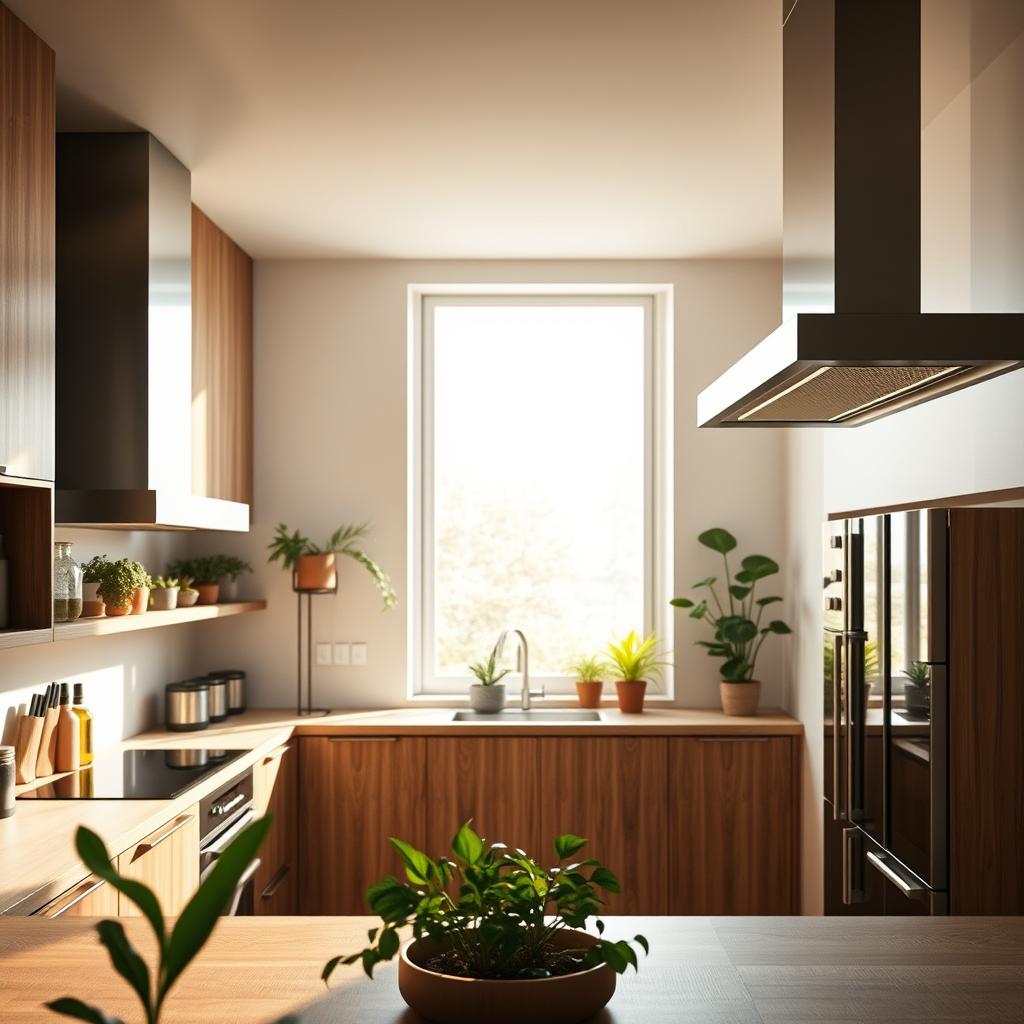
I still remember the first meal I cooked after a remodel — the air felt crisp, the stove hummed, and the room stayed calm. That moment showed me how much a well-planned system changes daily life. We design around comfort, indoor air quality, and long-term savings so your space feels inviting and performs reliably.
Our approach focuses on full capture at the lowest feasible exhaust rate. We pair efficient hood types with energy-aware controls like DCV so payback can be as short as two to three years. Regular filter cleaning and simple upkeep keep airflow steady and prevent extra energy draw.
We’ll translate technical ideas into clear steps and show where Energy Star appliances and right-sized choices deliver real benefits for the environment and your budget. For project ideas and planning, visit https://zovehomes.com/kitchen/ — we’re ready to help you move from concept to a refined, high-performing space.
Key Takeaways
- Right-sized systems capture cooking emissions while cutting energy use.
- Energy-aware controls like DCV shorten payback to about 2–3 years.
- Simple maintenance prevents airflow loss and wasted money.
- Thoughtful design boosts comfort, code compliance, and long-term value.
- Visit our planning hub at zovehomes.com/kitchen for modern solutions and help.
Why a sustainable approach to kitchen ventilation matters today
Today, homes expect more from their airflow than simply meeting code. We design for comfort, safety, and lower operating costs by matching exhaust to real cooking loads. That reduces wasted energy and keeps the air feeling fresh where it matters most.
Energy-aware strategies use smarter controls and cleaner pathways so fans run only as hard as needed. Transfer air and seasonal natural ventilation cut mechanical demand in spring and fall. Regular filter and duct care prevents clogged runs that force equipment to work harder and shorten its life.
- Lower energy use and costs by matching exhaust to actual loads.
- Coordinated supply and right-sized systems prevent drafts, smoke drift, and lingering odors.
- Cleaner air supports safety by removing heat and grease-laden vapors.
We consider the broader impact: quieter operation, better circulation, and lower lifetime costs. For design guidance and project planning, explore zovehomes.com/kitchen for ideas and next steps.
Sustainable kitchen ventilation: core choices that set performance and efficiency
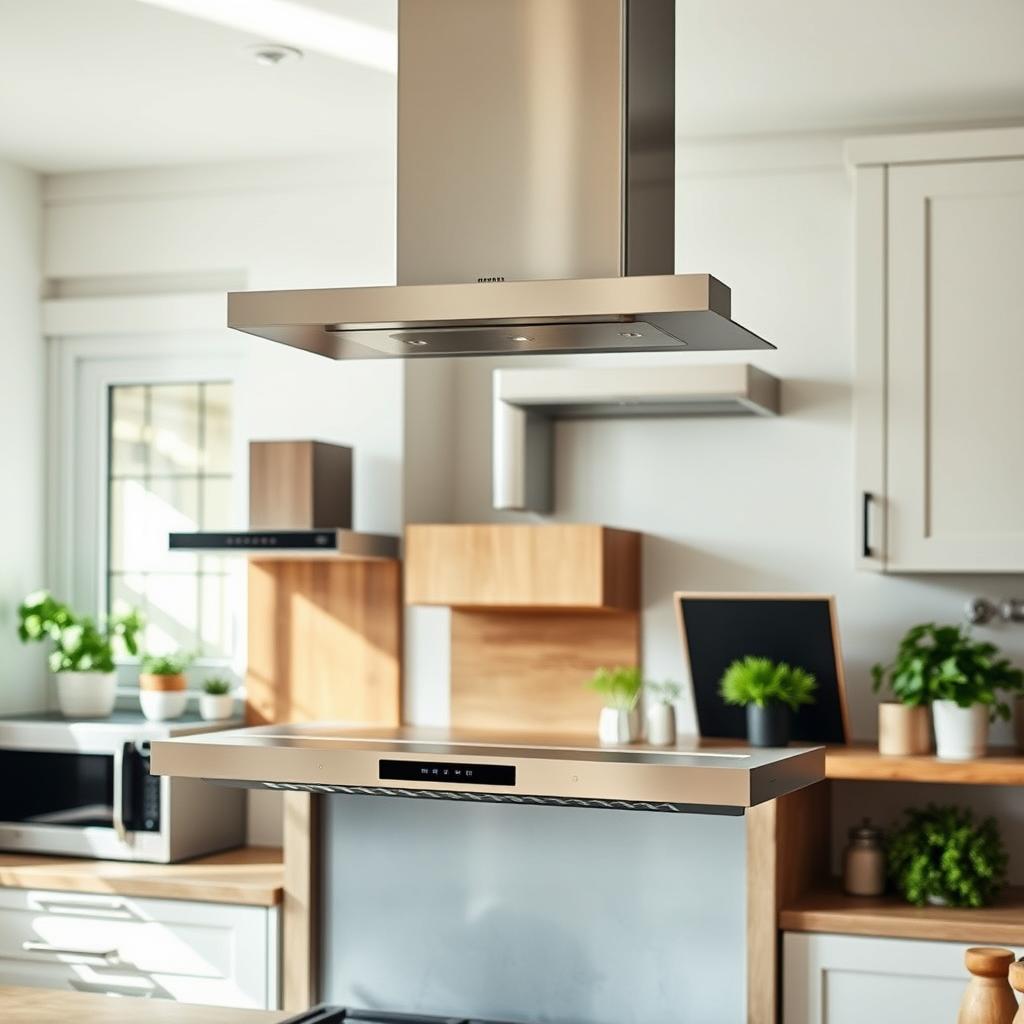
B. Small gear choices—like hood type and appliance rating—drive most of a system’s real-world performance.
Start by picking a hood that achieves full capture at the lowest feasible exhaust rate for your cooking duty. Backshelf, hybrid, and canopy hoods all remove convective load, but they differ in required exhaust. Choosing the right hood reduces noise and energy draw while keeping grease and heat contained.
Selecting the right hood and coordinating the system
Match hood type, overhang, and mount height so capture edges and airflow work together. Pair the hood with a coordinated ventilation system and tempered supply air to prevent drafts and protect comfort.
- Energy Star appliances use input energy more efficiently and steady heat output, easing demands on exhaust and improving cooking results.
- Right-sized exhaust avoids pulling conditioned air from living areas; undersized setups risk smoke and heat spill.
- We adapt commercial kitchen principles to residential projects for professional-grade results with better longevity and lower operating cost.
Ready to plan your hood, appliances, and ventilation system together? Start at zovehomes.com/kitchen or learn more about commercial solutions at commercial ventilation systems.
Energy-saving controls and components that reduce consumption without sacrificing air quality
Smart controls and efficient components let your range hood run only as hard as it needs to, saving energy without losing performance.
Demand Control Ventilation (DCV) varies exhaust based on cooking duty — off, idle, active — so fans meet real loads. DCV often delivers a 2–3 year ROI while aligning with ASHRAE 90.1 energy targets.
Variable speed fans
Variable speed fans slow during light use and ramp up for heavy cooking. This trims energy consumption, reduces noise, and extends the lifespan of the fan and motor.
Integrated LED lighting
High-efficiency LED lighting in the hood improves task visibility and lowers lighting consumption and heat gain compared with older sources.
Transfer air and seasonal strategies
We coordinate exhaust and make-up air so pressure stays balanced and the space feels calm. Where climate allows, transfer air and open windows in mild seasons cut mechanical run time and energy use.
- We recommend DCV to track cooking activity and preserve clean air.
- Right-sized controls protect component life and smooth performance.
- Integrated planning for controls, lighting, and the ventilation system can be mapped to your space at how many lumens you need.
Maintenance that keeps ventilation systems efficient, safe, and cost-effective

A simple care plan can prevent small issues from turning into costly repairs for your hood and exhaust system. We focus on practical steps that preserve performance, lower operating costs, and extend equipment lifespan.
Hood filters and cleaning schedules
Clean hood filters on a routine schedule to avoid resistance that makes fans work harder and wastes energy. We recommend a realistic cadence based on use: weekly for heavy cooking, monthly for light use.
Reusable baffle filters in stainless or aluminum reduce waste and simplify wash cycles. Pair them with mild detergents that cut grease without harming finishes or indoor air.
Ductwork access and exhaust fan upkeep
Install access doors along ducts and hinge kits on rooftop fans to make deep cleaning safe and fast. Proactive inspections catch loose fasteners, worn belts, or rattling fans before they shorten the system’s lifespan.
Grease management and responsible disposal
Rooftop grease containment prevents runoff and roof damage. Recycle metal filters and dispose of grease per local rules to protect equipment and the environment.
- We set cleaning cadences so filters don’t clog and components don’t have to work harder.
- Access doors & hinge kits speed service and preserve airflow.
- Simple checklists make maintenance routine — and our team can help source products or schedule service.
For ongoing care plans or professional cleaning coordination, visit our maintenance guide and reach out via zovehomes.com/kitchen/ so we can tailor a plan to your space.
Conclusion
A well-coordinated hood and control plan turns everyday cooking into a quieter, more efficient routine.
We showed how the right hood, DCV, Energy Star appliances, LEDs, and routine maintenance deliver strong performance and often pay back in 2–3 years. Transfer air and rooftop grease containment reduce load and protect the environment while stabilizing airflow and exhaust.
These principles borrow from commercial kitchen practice but fit residential needs. Small choices save energy, protect equipment, and cut surprise service calls that cost money and time.
If you’re ready to move from ideas to plans, our team will guide product selection and system design. Explore kitchen decor ideas and book a consultation at kitchen decor ideas.


