
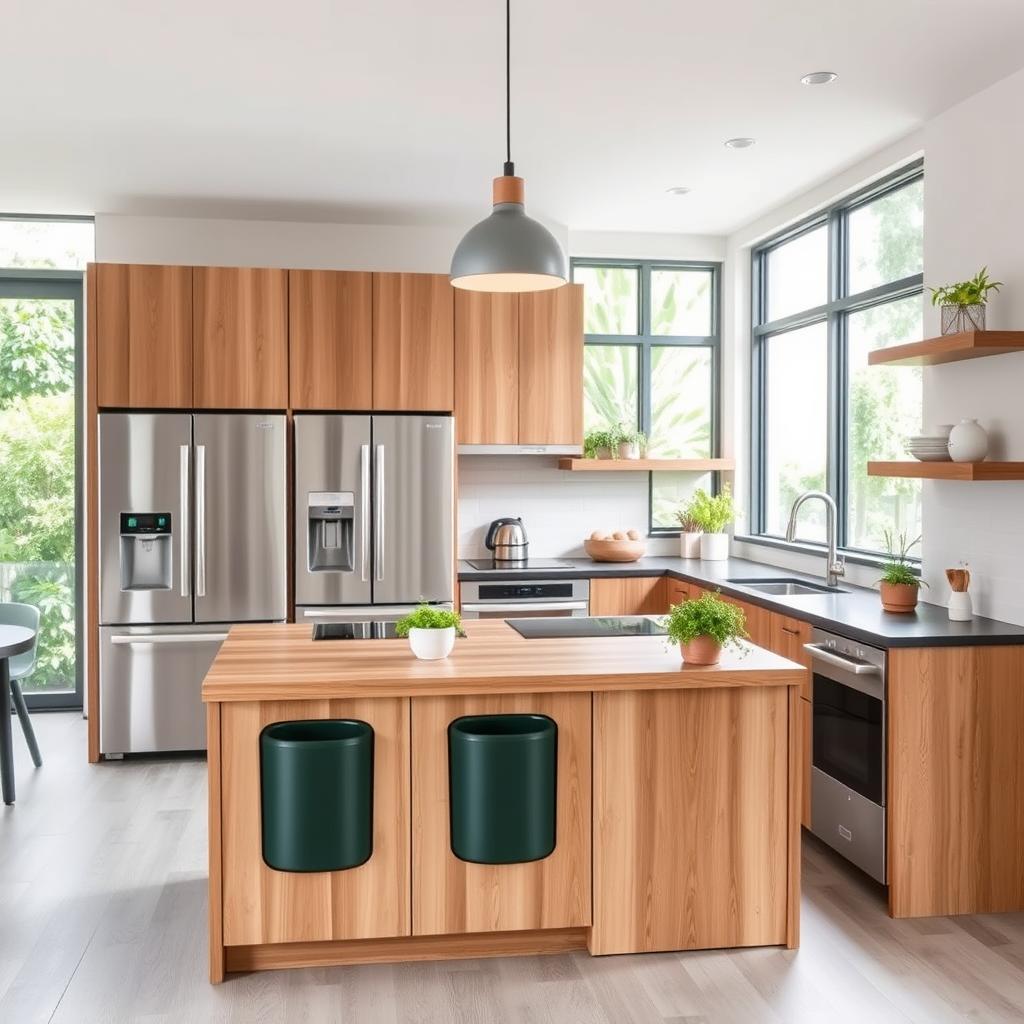
I still remember the moment a client stood in an empty space and asked if their remodel could mean more than new finishes. They wanted a home that pays less, breathes cleaner, and feels right. That curiosity is where we start.
In this guide, we explain how a green building certification kitchen can lift design, performance, and resale value. We show which appliances, ventilation, water fixtures, finishes, and layout choices earn the most points.
We map voluntary rating programs alongside mandatory codes so you can plan around inspections and standards like ASHRAE 189.1 and IgCC. You’ll learn how labels such as ENERGY STAR and WaterSense speed submittals and make documentation easier.
By the end, you’ll see which program fits your goals, what typical costs and verification steps look like, and where to find modern options and trusted pros when you’re ready to move from idea to site.
Key Takeaways
- Certification elevates performance, indoor quality, and resale appeal.
- Kitchen choices—appliances, ventilation, fixtures—drive most points.
- Voluntary rating programs work with codes to guide planning and inspections.
- Product labels like ENERGY STAR and WaterSense simplify documentation.
- We outline costs, verification steps, and trusted partners for execution.
Why Green Building Certifications Matter for U.S. Kitchens Today
A thoughtful remodel should deliver lower utility costs and cleaner indoor air—those goals guide our design. Buildings use energy and water, draw on raw materials, and create waste. A recognized program helps translate those impacts into smart choices for a kitchen.
Environmental impact from construction to operation
We map embodied materials and long-term operation to appliance, lighting, and plumbing choices. That focus cuts energy and water use while keeping form and comfort.
Health, cost, and resale value signals for homeowners
Certifications signal higher performance and indoor air quality. They also help buyers see real value at resale and can unlock state or local incentives.
- Reduced emissions and better performance create a clear market signal.
- Health-forward design targets fresh air, moisture control, and low-emitting materials.
- Energy-smart appliances and efficient lighting cut operating costs over years.
See how we design healthy, efficient spaces and start exploring ideas at Zove Homes kitchen. For related product standards, check our notes on green bathroom product certifications.
Understanding Standards, Codes, and Certifications
Every successful remodel starts by matching design goals to the standards and rules that govern construction. We begin by mapping which rules apply and which voluntary paths add value to your project.
Standards vs. codes vs. rating systems: What’s the difference?
Standards — such as an ANSI or ASHRAE building standard — set technical requirements for performance or prescriptive measures.
Codes make those requirements mandatory when adopted by a jurisdiction. Missing a local code can force a redesign.
Rating systems (LEED, Green Globes, NGBS) are voluntary frameworks that award points and lead to a certification.
- Hierarchy: standards define requirements, codes enforce them, and rating systems award credits.
- Governance: ANSI and ISO consensus processes lend credibility; ASHRAE writes many energy and IEQ standards.
- Product proof: labels like ENERGY STAR and WaterSense validate products and shorten the documentation process.
- Coordination: we check local adoption early so your schedule and budget avoid scope creep.
We map your goals to the right program and verification process so each requirement is feasible. To see how this applies in practice, browse our design examples at Zove Homes kitchen.
Core Green Codes and Standards That Affect Kitchen Projects
Before we pick fixtures or ventilation, we first map the applicable codes and standards for the site. That early review turns legal requirements into simple design choices you can budget and schedule.
ASHRAE 189.1 and the IgCC
ASHRAE 189.1 sets minimum, code‑enforceable requirements for site, water, energy, indoor environmental quality, and materials. Jurisdictions may adopt it as a compliance option, which affects appliance efficiency and range hood ventilation baselines.
CALGreen and local adoption
CALGreen (California’s Part 11) requires specific water, materials, and waste controls. Where it applies, we specify fixtures, jobsite waste practices, and finish selections to meet enforceable requirements.
- We confirm whether the jurisdiction uses the IgCC, CALGreen, or references 189.1, then adapt scope and drawings.
- The IgCC can turn voluntary goals into mandatory documentation and inspections.
- Local amendments may raise stringency; we verify state and city rules before final specs.
Understanding these differences helps us schedule commissioning and testing with fewer change orders. To translate local code implications into clear decisions, reach out and plan your remodel at plan your remodel.
The Major Rating Systems You’ll Hear About

Choosing a rating system starts with understanding where each program awards points and how that affects design choices.
LEED, Green Globes, BREEAM: LEED divides points across Sustainable Sites, Water Efficiency, Energy and Atmosphere, Materials and Resources, Indoor Environmental Quality, and more, with Certified → Platinum levels. Green Globes scores up to 1,000 points with an online, flexible assessment. BREEAM ranks Pass to Outstanding across management, health, energy, transport, water, materials, and ecology.
WELL and Fitwel: These programs focus on occupant health. They reward better ventilation, lighting, and material safety—areas that directly influence indoor air quality and user comfort.
SITES: SITES evaluates landscapes to reduce water demand, boost biodiversity, and support stormwater practices. It matters for whole-home projects with significant outdoor site work.
- Scoring logic varies: category-based (LEED, BREEAM) versus flexible online (Green Globes).
- Energy and IEQ categories often dominate kitchen impact; materials and water offer accessible points.
- Label synergies—like ENERGY STAR, WaterSense, and GREENGUARD—speed documentation across programs.
If you’re exploring which program fits your plans, we’ll help you compare options—start at Zove Homes kitchen.
Buyer’s Guide Focus: green building certification kitchen
A well-planned renovation balances appliance choices, materials, and layout to meet performance goals and buyer expectations.
Scope: appliances, fixtures, finishes, ventilation, and layout
We define the kitchen scope of influence to include cooking equipment, refrigeration, dishwashing, faucets, disposers, lighting, ventilation, cabinetry, countertops, and sealants.
Why it matters: those selections affect energy use, water use, and indoor environmental quality—so they shape which credits and requirements a certification pathway rewards.
Kitchen hotspots: energy, water, and indoor environmental quality
- Energy hotspots: refrigeration, cooking, dishwashing, and lighting. Choosing labeled products can cut loads and simplify documentation.
- Water hotspots: faucets and dishwashers—WaterSense and efficient models earn points and save utility costs.
- IEQ: low‑emitting finishes, GREENGUARD‑listed materials, and effective range hood ventilation reduce pollutants and improve comfort.
We align your product schedule to the right programs and collect cut sheets up front to streamline submittals. For related lighting guidance, see our notes on lumen needs at how many lumens your kitchen needs.
Product Labels That Power Certified Kitchens
Trusted marks on appliances and finishes turn design intent into verifiable outcomes during construction. Labels streamline submittals and help us meet both performance goals and inspection checklists.
We prioritize a small set of labels that consistently earn credits across certification programs. That approach reduces duplication and speeds procurement.
- ENERGY STAR appliances — refrigerators and dishwashers cut energy use and often meet credit thresholds in multiple programs.
- WaterSense faucets and fixtures — deliver about 20% savings without sacrificing performance, supporting water credits and utility savings.
- GREENGUARD for cabinets, sealants, and paints — lowers VOCs to protect indoor air quality and earn IEQ credits.
- FSC and material stewardship labels — confirm responsible sourcing and chain of custody for wood products.
We curate product schedules so labeled products dovetail across systems. Early verification of model numbers prevents mismatches between specified and delivered items during the project.
Finally, we pair labeled products with design strategies — right-sized ventilation and task/ambient lighting controls — to maximize efficiency and long-term quality. See product combinations that fit your goals at https://zovehomes.com/kitchen/.
How LEED Applies to Kitchen Design and Renovation
LEED turns everyday design choices—appliances, lighting, ventilation—into documented points toward a target level. We pre-map credits so you know which selections earn the most value for your project.
LEED groups relevant areas into Energy and Atmosphere, Water Efficiency, Materials and Resources, and Indoor Environmental Quality. Each category rewards specific products and strategies that reduce loads and improve air quality.
- Energy and Atmosphere: efficient appliances, lighting controls, and measured loads yield energy-related points.
- Water Efficiency: low-flow faucets and efficient dishwashers help meet water credits and lower utility bills.
- Materials and Resources: FSC wood, low-emitting finishes, and transparency documentation support material credits.
- Indoor Environmental Quality: ducted range hoods with verified capture and GREENGUARD products reduce pollutants and protect occupant health.
We sequence documentation to meet LEED submittal rules and coordinate with your LEED AP or consultant. Regional priority and site credits can stack with kitchen upgrades for extra points.
Want a clearer picture? We can pre-map LEED credits to your selections—start the conversation at https://zovehomes.com/kitchen/.
NGBS for Homes: A Practical Path for Residential Kitchens
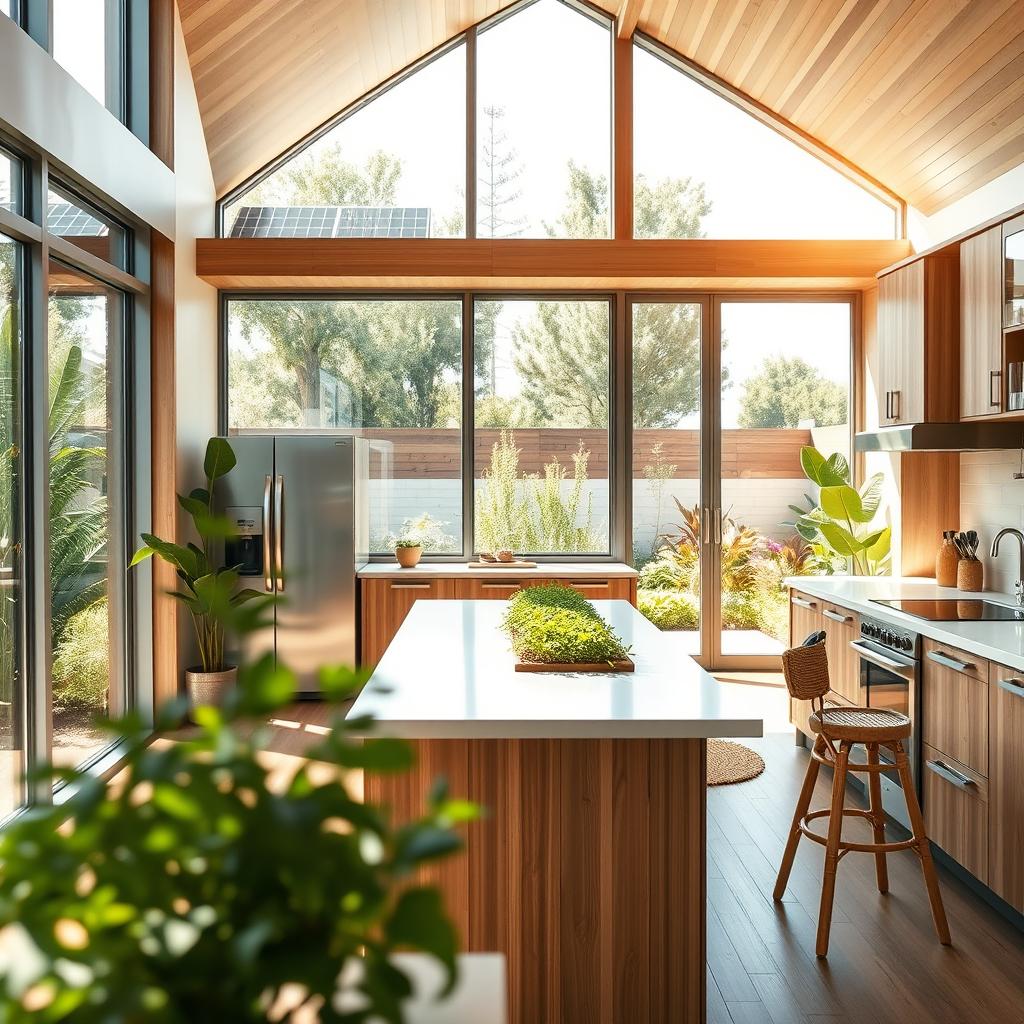
If you want measurable results and a flexible verification path, the NGBS provides a homeowner‑friendly roadmap. We use its category structure to translate goals into clear actions for appliances, ventilation, fixtures, and finishes.
What the program measures and the levels available
The National Green Building Standard (NGBS) scores Lot Design/Development, Resource Efficiency, Water Efficiency, Energy Efficiency, IEQ, and O&M. Projects earn points and reach Bronze, Silver, Gold, or Emerald levels.
Practical result: aiming higher pushes balanced improvements across energy, water, and materials instead of one-off upgrades.
Cost and verifier considerations
Typical single‑family fees run about $100–$200. Multifamily projects often face $300–$1,000 per building plus roughly $30 per unit. Verifier fees vary by scope and region.
We advise budgeting both program fees and third‑party verifier costs and planning documentation to reduce back‑and‑forth during inspections.
What the 2020 updates mean for renovations
The 2020 series expanded mixed‑use coverage, streamlined multi‑housing, added a comparative water metric, and explicitly allowed phased renovations. That makes partial remodels easier to certify over time.
We translate NGBS categories into kitchen actions—efficient appliances, low‑flow fixtures, low‑emitting materials, and stronger ventilation—to capture typical points and deliver the documented value buyers notice.
- Levels guide ambition: Bronze → Emerald requires broader performance across categories.
- Budgeting includes program fees plus verifier costs; we help scope to limit friction.
- Renovation friendly 2020 updates enable phased improvements and clearer water metrics.
We’ll help you evaluate NGBS feasibility and connect you with verifiers—get started at Zove Homes kitchen.
Comparing LEED, NGBS, ENERGY STAR, and Green Globes for Homes
Not every label suits every project—some prioritize market recognition, others favor affordability and speed. We compare point structures, verification rigor, and cost so you can pick the right path for your remodel.
- LEED: Multi-category points toward certification levels. High market value but may require post-construction testing and higher fees.
- NGBS (National Green): Bronze→Emerald levels with balanced scoring. Often more flexible and affordable for homes and phased renovations.
- ENERGY STAR: Excellent for appliance and whole-home energy performance. Fast wins when you prioritize measured efficiency.
- Green Globes: 1,000-point online framework. Flexible assessment and good pairing with product labels for documentation ease.
We weigh state and site incentives, the number of spaces affected, and your desired level of verification when advising a path.
Recommendation: choose LEED for deep market visibility, NGBS for practical affordability, and include ENERGY STAR products in every plan. We’ll help you select scope and level—book a consult at https://zovehomes.com/kitchen/.
Step-by-Step Certification Process for a Kitchen Project
A successful certification process begins with one simple step: decide what success looks like for your space. We’ll guide you through each stage so your project meets program requirements and delivers lasting performance.
Define goals and select the right program
Start by listing priorities: health, energy savings, budget, and resale value. Match those priorities to a rating system and target level that fits your timeline and funds.
Pre-design assessments and baseline measurements
Gather baseline data—existing appliances, lighting loads, water flow, and ventilation performance. These measurements quantify gains and shape realistic specifications.
Product specification aligned to credits and labels
Select labeled products like ENERGY STAR, WaterSense, or GREENGUARD to meet credits faster. Assemble cut sheets, model numbers, and certificates for submittals.
Construction, testing, and documentation
During construction enforce installation details: sealed ducts, verified airflow, and correct lighting controls. Then perform functional testing and airflow verification to demonstrate field performance.
- Define goals and choose a program.
- Collect baseline data and set specifications.
- Install, test, and compile documentation.
Closeout: compile photos, invoices, and certificates in the format your chosen system requires. Provide owner training on controls and maintenance to preserve long-term performance.
We’ll coordinate documentation and third-party verification so your certification effort runs smoothly—start at https://zovehomes.com/kitchen/.
Kitchen Materials and Specifications That Earn Points
Simple specification swaps can unlock credits while preserving the look and function you want. We focus on materials and specifications that improve indoor air, cut energy use, and add measurable points to your plan.
Cabinetry, countertops, and low‑VOC finishes
Select GREENGUARD‑certified paints, sealants, and casework to reduce VOCs and support IEQ credits. Consider FSC veneers or solid wood for responsible sourcing credits in materials categories.
Lighting design and controls for energy performance
Optimize layered lighting with dimming plus occupancy and vacancy sensors. Use ENERGY STAR fixtures and bulbs to lower running costs and earn energy points.
Water‑saving strategies without compromising use
Choose WaterSense faucets and add a hot‑water recirculation plan to conserve water while keeping fast taps. These products typically deliver ≥20% savings with no loss of user experience.
- Pick GREENGUARD‑listed finishes to protect indoor quality and meet program requirements.
- Balance durable countertops and low‑maintenance cabinetry with sustainability attributes for long life and lower lifecycle costs.
- Detail exact model numbers, certification IDs, and cut sheets in your specifications to streamline verification and inspection.
- Combine ENERGY STAR appliances, efficient lighting, and controls as a system to maximize performance and points.
We lay out these product choices so your design meets rating areas and documentation needs. Explore finishes and fixtures that align with your targets at https://zovehomes.com/kitchen/.
Indoor Environmental Quality and Ventilation in Kitchens
Good indoor air starts with choices you make long before final trim goes in. We focus on source control and practical ventilation to protect occupants and meet program goals.
Source control and material selection
We specify low‑emitting paints, sealants, and casework to limit pollutants at the outset. GREENGUARD listings and clear product data make verification faster.
Prioritize:
- Low‑VOC finishes and labeled cabinetry to reduce fumes.
- Durable materials that require less replacement over time.
- Documentation of model numbers and certificates for submittals.
Ventilation strategies that align with rating systems
Ventilation is the first line of defense. Choose a ducted range hood with strong capture and quiet operation so people use it. Right‑size airflow to meet ASHRAE or code baselines without wasting energy.
Provide make‑up air when required, keep duct runs short and smooth, and verify airflow after installation. We recommend demand‑controlled systems and suggest induction cooking to cut combustion byproducts. Finally, train occupants on filter care and hood use—behavior sustains long‑term performance and supports certification submittals.
Budget, Incentives, and Value Considerations
We start by separating two cost buckets: direct program charges and third‑party verification. That split makes it easier to track expenses and avoid surprises.
Direct fees and verifier costs
Many programs charge a modest registration fee. For example, NGBS (national green building) single‑family fees typically run $100–$200. Multifamily projects may see $300–$1,000 per building plus about $30 per unit.
Verifier fees vary by market and scope. We solicit multiple bids so you get fair pricing and a predictable process.
State and local incentives
Some jurisdictions offer rebates, tax credits, or bonus points for certified projects. Explore state programs early so equipment and lighting upgrades can be timed to maximize rebates.
Market value and resale
Value shows up in lower operating costs and better market appeal. Studies report that certified homes often sell at a premium, and tools from Home Innovation Research Labs can help you market those benefits.
- Budget tip: plan for program fees + verifier costs and keep documentation organized.
- Factor operational savings from efficient appliances and fixtures into ROI.
- We’ll help you map fees, rebates, and ROI for your kitchen—connect at https://zovehomes.com/kitchen/.
A Smart Next Step: Explore Sustainable Kitchen Design Options
Start your project with a short discovery session so choices about layout, appliances, and materials line up with your goals.
See design ideas, materials, and products that fit certification
Browse curated concepts that combine durable finishes with recognized labels like ENERGY STAR, WaterSense, GREENGUARD, and FSC. Aligning specs up front saves time during verification and keeps quality high.
Start your project planning and connect with pros at Zove Homes
We coordinate with builders and verifiers so installation details become clear checklists. Begin with a planning session to set targets, budget, and schedule.
- We map product selections to credits in your chosen program so every item advances goals.
- Our team turns requirements into simple installation notes for contractors and verifiers.
- Use vetted practices to preserve efficiency and long‑term quality from design through closeout.
See what’s possible—explore curated ideas and book a consultation to align your project with the right program. Visit https://zovehomes.com/kitchen/ to get started or check décor guidance at design ideas and product schedules.
Conclusion
A focused roadmap turns complex rules and tests into simple decisions you can build on.
Leading frameworks, codes, and rating systems provide clear paths to cut energy and water use, improve indoor environmental quality, and document results for resale value.
Choosing the right program and labeled products reduces risk, streamlines documentation, and protects long‑term performance. Focus on energy, water, materials, and air to capture the biggest gains.
For your project, use standards and codes as guardrails and a rating system as the roadmap to recognition and market value. We translate those requirements into buildable details for your home.
Ready to take the next step? Explore ideas and schedule your consult at https://zovehomes.com/kitchen/.


