

Curious if a home project is smart to tackle yourself—or if it needs a licensed team? Many remodels look simple at first glance, but hidden systems and code triggers can turn a small task into a major risk.
We set the line between manageable updates and high‑risk work. Incorrect wiring may overload circuits and spark fires. Old pipe materials can leak and hide costly water damage. Unpermitted changes can fail inspections and void insurance.
Our approach blends design and trade expertise. We streamline permits, inspections, and appliance integration so your remodel meets codes and protects warranties. For starter guidance on safe homeowner fixes, see this practical guide on safe plumbing projects at safe plumbing tips.
Ready to plan with professionals who pair style with compliance? Explore our modern planning and build services as your starting point at Zove Homes kitchen services, and begin your project today.
Key Takeaways
- High‑risk systems like breaker panels, major rewiring, and pressurized water lines are best left to licensed pros.
- Hidden code needs—dedicated circuits, GFCI placement, proper venting—often trigger permits and inspections.
- Small errors can erase any short‑term savings and harm resale, warranties, and insurance coverage.
- We combine design, compliance, and trade experience so projects run safely and smoothly.
- For rules of thumb on small fixes versus professional help, read practical guidance on safe projects and budgeting at budget remodel tips.
Why some kitchen projects are never DIY-safe in the present renovation landscape
Kitchens hide complex systems that can turn a small update into a major liability. Shortcuts in wiring or drains often create hidden problems that surface only after inspections or failures.
Dedicated circuits, correct outlet spacing, and GFCI protection are not optional. Modern appliances need proper circuits and wire gauge; missing those steps can create fire risks and failed inspections.
Plumbing work involves pressure, venting, and drainage design. Using the wrong materials or mis-sized lines can cause slow drains, hidden leaks, and mold behind walls. Older homes may contain wiring and piping that cannot support today’s loads and must be upgraded.
Permits and local regulations matter. Unpermitted work can halt progress, add time and cost, and lead insurers to deny claims. Amateur workmanship can reduce resale value and trigger buyer pushback.
- Dense electrical systems and plumbing runs raise compliance and safety demands.
- Small wiring or routing mistakes can cascade into larger system problems.
- We help you keep DIY energy in safe scopes and reserve high‑risk work for licensed trades.
For design-led guidance and a safer path, review our process and portfolio at Zove Homes kitchen and learn common pitfalls in small remodels at common mistakes.
High-risk electrical tasks you should never DIY in a kitchen

Tasks that touch service panels or major circuits rarely belong in a homeowner’s toolbox. We urge a licensed electrician for any work that changes load calculations or panel wiring.
- Breaker panels: live lugs stay energized and missteps can cause severe shock or spark a fire. Panel changes need load studies and permits.
- Whole or partial rewiring: adding new circuits for modern appliances demands correct wire gauge, grounding, and inspections to protect the electrical system.
- Outlets near water: sinks, dishwashers, and prep areas must use GFCI devices and proper spacing; simple swaps can mask bigger wiring faults.
- Fixtures and fans: ceiling installations need rated boxes, secure supports, and proper terminations to prevent overheating in cavities.
- Exterior work: weather‑rated runs, conduit, and GFCI protection keep moisture from corroding connections and creating shock hazards.
If your scope touches any of these high‑risk items, bring in licensed trades through our kitchen team at kitchen services. For a deeper look at common hazards and remodel risks, read this guide on high‑risk remodel risks.
Plumbing red flags where professional expertise is essential
Some pipe problems hide silently and expand rapidly once walls or floors are opened. Early detection limits damage and keeps finishes intact.
Replacing outdated or deteriorated pipes
Old galvanized or lead lines corrode, reduce pressure, and discolor water. We specify copper or PVC and size runs for modern fixtures and flow.
Finding and fixing hidden leaks
Hidden leaks behind cabinets and under flooring often cause mold and structural harm. We use pressure testing and targeted openings to stop leaks before new finishes go down.
Relocating fixtures and rerouting supply and drains
Moving a sink, dishwasher, or fridge requires rerouting supply, trap arms, and venting to meet codes and ensure safety. Misrouted drains cause slow flow and odors.
- Correct installation—slope, supports, and traps—prevents noise and backflow.
- Choosing proper materials and transition fittings guards against corrosion and mixed‑metal failures.
- Licensed repairs provide documentation for inspections and future resale.
- For coordinated design and trade execution, explore our service pathway at Zove Homes kitchen services and review practical plumbing basics.
Codes, permits, inspections, and insurance: the real costs of DIY mistakes
A single unpermitted change can trigger fines, forced removals, and denied insurance claims. Many municipalities require permits for upgrades and rewiring. Missing sign-offs often mean failed inspections for wire gauge, grounding, and load calculations.
GFCI protection, dedicated circuits, proper venting, and drainage are not optional parts of code. Incorrect placement of safety devices or undersized circuits commonly causes inspections to fail. These mistakes raise hazards like fire and water damage.
Insurers and manufacturers may deny claims or void warranties when work lacks documentation or professional certification. That risk makes short-term savings costly in time and money.
- Permits and inspections are safeguards that prevent rework and fines.
- Electrical code requires correct breakers, wiring, grounding, and dedicated circuits.
- Plumbing code enforces venting, slope, and trap standards often missed in amateur repairs.
Amateur workmanship also affects resale. Noncompliant wiring or drainage can scare buyers and lower offers. Local building regulations change, so partnering with licensed electricians and other professionals helps the project pass the first inspection.
We handle permits, inspections, and trade coordination—learn more about our services at our coordinated services page. Treat code compliance as a design parameter to protect budget, schedule, and resale value.
when to avoid DIY kitchen electrical plumbing: clear decision checkpoints
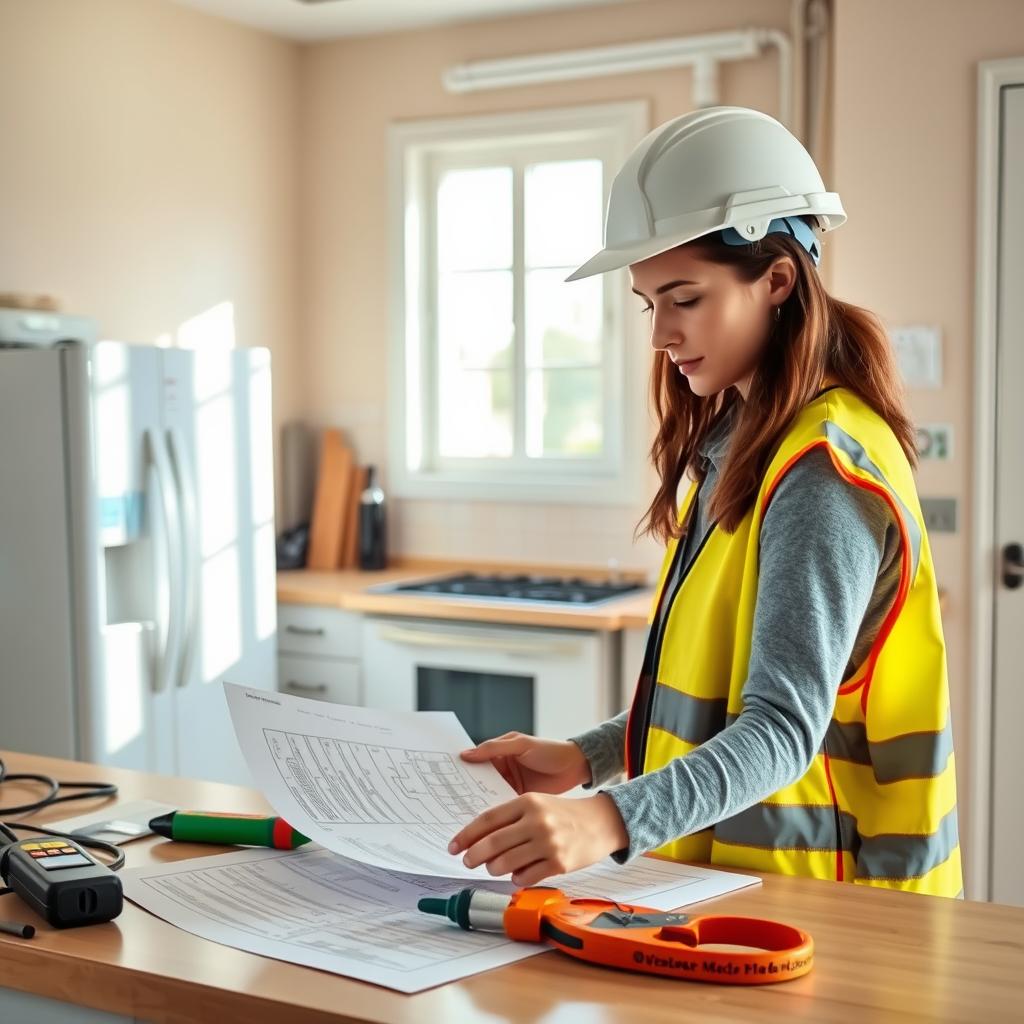
Small disturbances in power or water can signal problems that need a licensed diagnosis. Frequent breaker trips, flickering lights, or warm outlets point at overloaded circuits or loose connections that require professional testing.
We use practical checkpoints that help you decide fast. If new appliance circuits, GFCI outlets, or major fixture relocations are on the list, those tasks trigger permits and trade coordination.
Safety symptoms and system limits
- Stop DIY at buzzing switches, repeated trips, or dimming lights—these are not normal and need licensed inspection.
- Warm outlets often mean poor connections or overloaded circuits.
Scope and complexity
- Adding a new circuit for induction ranges or double ovens requires load calculations and routing by pros.
- Opening structural walls or coordinating multiple trades raises permit and sequencing demands.
Tools, materials, and time realities
- Proper testers, pressure gauges, and wiring tools are specialized; renting them adds time and still may not resolve hidden issues.
- Budget talk: callbacks, overtime, and finish repairs often erase any initial savings from amateur diy attempts.
If you recognize any checkpoint above, bring us in early via our kitchen planning page to keep the project on track. For related design choices, see our guide on budget-friendly countertop options.
Plan smarter: pair design, compliance, and qualified trades for a smooth remodel
A smooth remodel starts where design, code, and trades meet at the planning table. We begin by reviewing appliance specifications, cabinet layouts, and the required clearances for each install. This early mapping keeps every outlet, shutoff, and vent exactly where it should be for seamless installations.
Coordinating electrical, plumbing, and cabinetry for appliance fit and function
We coordinate dedicated circuits for ranges and refrigeration with panel capacity and confirm wiring paths before cabinets are set. Our plumbers size supply lines for flow and set trap and vent locations that meet local building rules.
Scheduling inspections and sequencing work to reduce downtime and rework
Proper sequencing—rough‑in, inspection, insulation, then close‑in—compresses time and prevents costly reopenings. Our services leverage supplier relationships for better materials and the right boxes, conduits, valves, and supply lines.
- We map installations so trades avoid conflicts and work areas stay safe.
- Electricians verify wire gauge, grounding, and GFCI placements before finishes begin.
- Plumbing checks ensure slope, traps, and venting meet inspector expectations.
- Coordinated work reduces downtime and keeps your project on schedule.
Partner with us to align design, inspections, and qualified professionals; start at https://zovehomes.com/kitchen/ and let our experience and expertise guide the building of a home system that performs beautifully.
Conclusion
Choosing the right scope between homeowner work and licensed help is the smartest way to save money and avoid costly repairs.
Small projects can be fine for today, but major wiring, new circuits, outlets near water, or pipe replacement raise real risk of fire, water damage, and inspection failures.
We recommend calling an electrician or plumbers and other professionals for those high‑risk items so you protect finishes and your home’s value.
Want practical examples of common mistakes and hidden hazards? See our guide on common mistakes.
Ready to plan with confidence? Explore options and request a consultation at https://zovehomes.com/kitchen/ for coordinated design, permitting, and trade services.


