

Curious whether you can save money while keeping high standards in a home upgrade?
We show a practical path that mixes homeowner effort with licensed installation so your space looks upscale without added risk. I use real cost figures and plain rules of sequencing to help you plan.
Expect clear choices: simple tasks — painting, hardware swaps, peel-and-stick backsplashes — suit evenings and weekends. Complex electrical, plumbing, or structural work needs licensed crews to avoid safety issues and costly rework.
We explain time trade-offs, typical labor rates, and why picking appliances first makes the rest fit. Use our guidance to map phased projects, keep quality, and protect resale value.
Explore practical ideas and book expert installation help at top remodel ideas to match goals and timelines.
Key Takeaways
- Pair simple homeowner tasks with targeted professional installation for safety and finish.
- Follow appliance → cabinets → countertops order to avoid costly changes.
- Compare labor rates and warranty value before choosing where to invest time.
- Licensed work prevents code violations, delays, and rework.
- A phased plan preserves design intent and keeps projects on schedule.
What homeowners really want right now: control, cost savings, and guaranteed results
Today’s homeowners expect cost control, fast timelines, and dependable quality from every project. We recommend a hybrid approach that lets you pick finishes and manage small upgrades while our team handles code-critical installation and permits.
Practical savings: owner-led work can cut total costs by up to 50% and save 20–30% on materials. Licensed contractors bring faster schedules, guaranteed inspections, and warranty coverage that prevent costly rework.
Start with a short needs list—function, storage, lighting—so your design stays focused on results. We help with measurements and the order of operations so appliances, cabinets, and countertops align on delivery day.
- Match simple tasks to your weekends.
- Schedule our services for any electrical, plumbing, or permit work.
- Use documented inspections and warranties to protect resale value.
For a clear way to retain control while leaning on trusted services, see our kitchen page and small-bathroom budgeting tips at Zove Homes kitchen and renovate small bathroom on a budget.
DIY vs. Pro: Cost, Time, and Quality Compared
Deciding whether to handle tasks yourself or hire licensed teams comes down to cost, time, and risk. We compare real numbers and real trade-offs so homeowners can choose a path that fits their needs without sacrificing long-term results.
Cost breakdowns
Upfront savings are real: owner-led work can cut total costs by up to 50%, with 20–30% material savings from salvage. But removing contractor labor also adds tool purchases, disposal fees, and waste that can erode savings.
- Typical contractor rates: $70–$130/hr for general work; plumbing ranges from $45–$200/hr.
- Hidden costs include rework after failed inspections and replaceable mistakes that raise lifetime costs.
Timeline reality
Weekend projects often stretch a renovation into months. Homeowners face scheduling conflicts, learning curves, and interruptions that slow progress.
A coordinated crew compresses schedules, manages sequencing, and handles permits. That efficiency reduces disruption and often offsets higher hourly rates through faster completion.
Quality outcomes
Professional experience improves leveling, templating, and system connections that protect finishes and longevity. Contractors provide warranties and code-compliant installation that lower lifetime risks.
Hybrid plans capture savings on prep, paint, and simpler work while assigning high-value tasks—plumbing moves, electrical, and countertop installation—to licensed teams. Documenting scope and decisions helps match services to the project and reduces uncertainty.
- Weigh pure cost against schedule, quality, and risk.
- Consider opportunity cost: your time and home disruption.
- When in doubt, consult expert services for permit-heavy or complex work; for countertops budgeting ideas, see budget-friendly countertop options.
Building Codes, Permits, and Safety: Where DIY stops and licensed pros take over
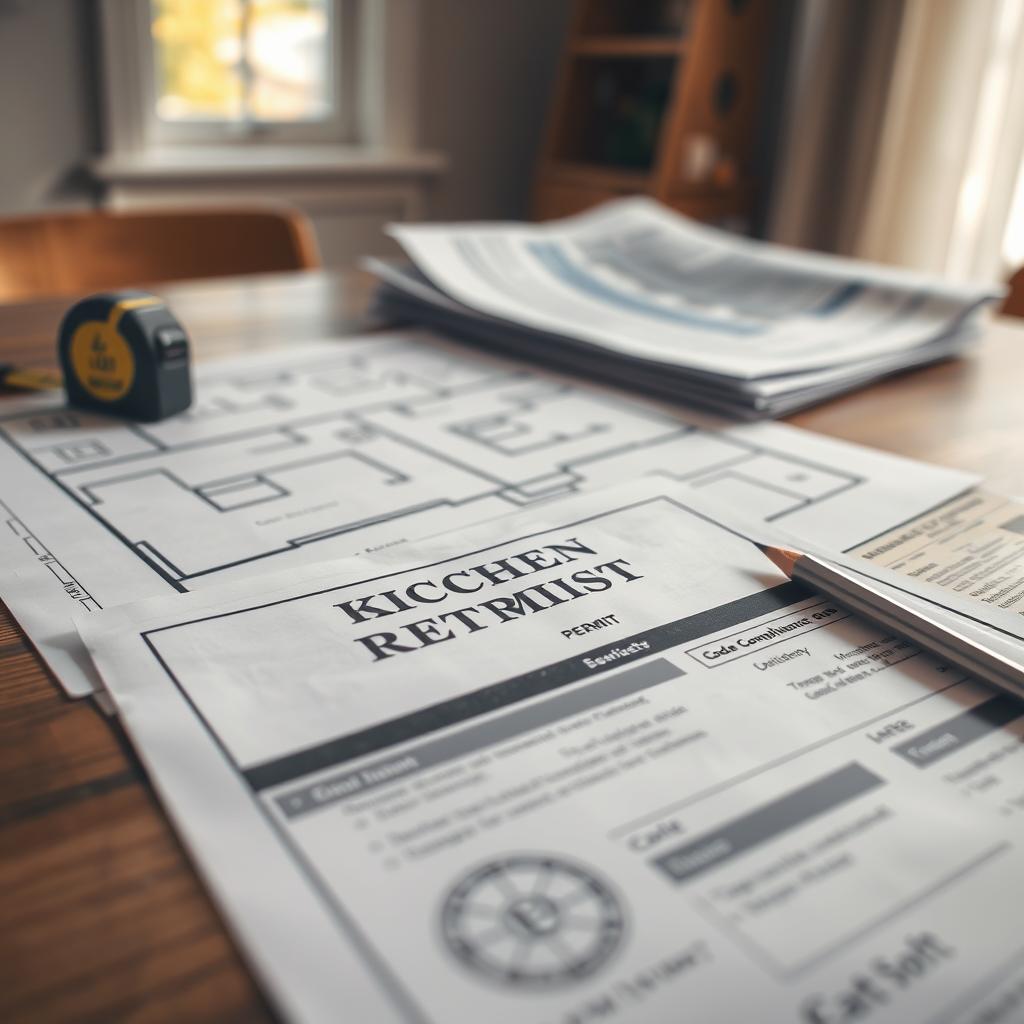
Before you pick up tools, understand how permits change scope, schedule, and liability for your project.
Permits and inspections matter. Many homeowner projects fail local inspections and trigger costly corrections. Electrical, plumbing, and structural changes usually need permits, formal inspections, and code-compliant installation.
Licensed contractors secure permits, interpret local codes, and coordinate inspections so work passes the first time. That reduces rework, fines, and insurance headaches for a home or bathroom renovation.
When to hand work to licensed trades
- New circuits, panel changes, and appliance circuits.
- Plumbing relocations, venting, and changes to drainage.
- Any structural change that affects load paths or framing.
- Areas with wet-zone rules shared by bathroom and kitchen work.
How we protect your project
We manage permit paperwork, schedule inspections, and document compliance. That protects you from hidden defects behind walls and from common violations—improper GFCI placement, undersized circuits, or inadequate trap arms.
Result: faster, safer installation with warranty documentation that supports resale and future service. Lean on our services at https://zovehomes.com/kitchen/ when code-bound scopes need licensed contractors while you focus on finishes and non-structural tasks.
Task-by-Task Guide: What to DIY and what to hire out
Knowing which projects to tackle yourself and which to hire out saves money, time, and future headaches. We focus on simple upgrades that deliver strong visual results while keeping technical, code-bound work in expert hands.
DIY-friendly upgrades
Low-risk wins: wall and ceiling painting, cabinet hardware swaps, open shelving, and peel-and-stick backsplashes give big style for small effort.
Carefully replace an existing light fixture after turning the breaker off. Use prefinished trim and plug-in under-cabinet LED tape to avoid changes to wiring.
Pro-only scope
- Structural changes and framing that affect load paths.
- Plumbing relocations behind walls and new plumbing runs.
- New electrical circuits, service panel work, and aluminum wiring fixes.
- Stone countertop templating and installation for granite, quartz, or marble.
Tools, skill thresholds, and sequencing
Tile with mitered corners, large-format pieces, or precision miter cuts needs specialty tools and layout skill. A wet saw, laser level, and diamond blades add cost and a steep learning curve.
Rule of thumb: buy tools only if you’ll use them again; otherwise hire contractors for those tasks. Finish sanding and painting before cabinet or countertop installation to protect surfaces.
Document wall conditions with photos before closing surfaces. For targeted templating and final installation help, consider our team’s installation services at kitchen remodeling guide to keep your project on track.
Plan first, then execute: translating your vision into a phased kitchen remodel
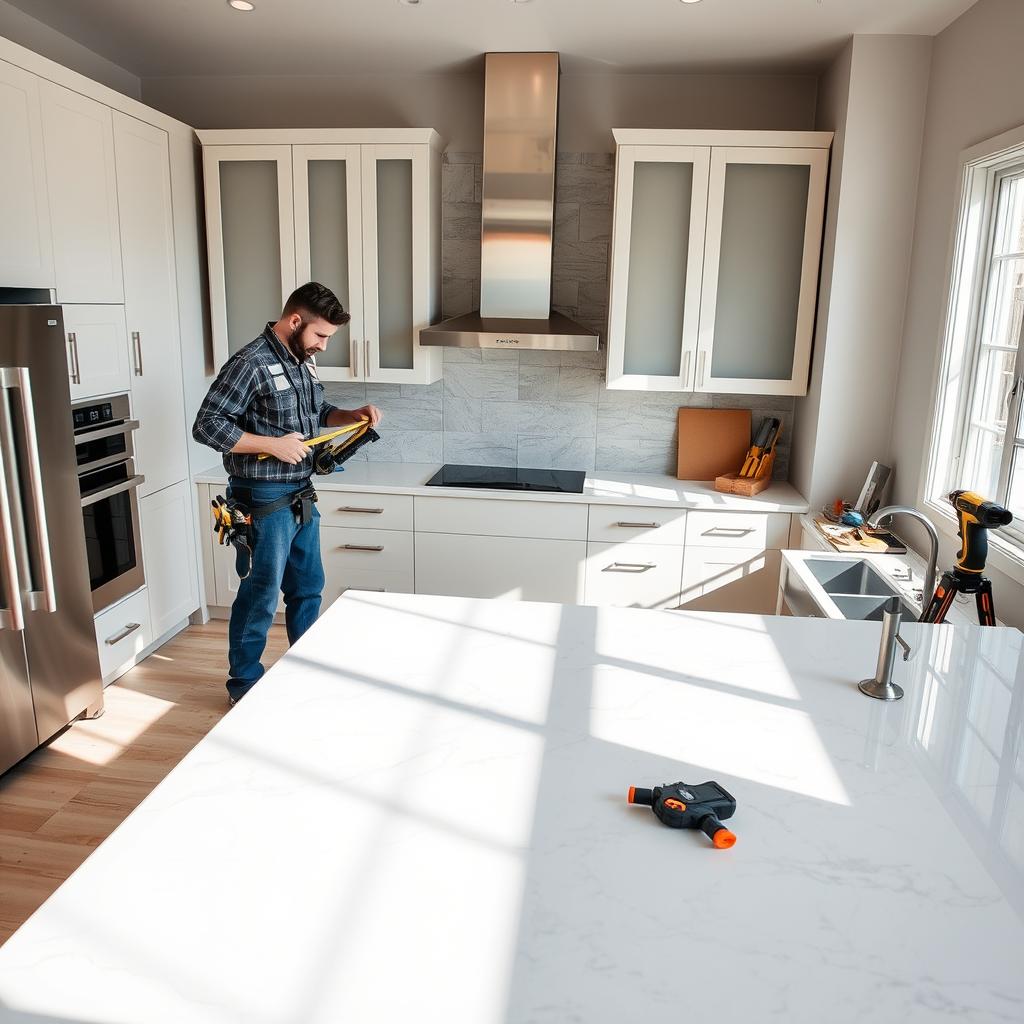
Turn design ideas into an ordered plan so installations happen in the right sequence without surprises. We start by defining function, storage, and flow, then create a step-by-step project plan that links purchases to dates and outcomes.
Order of operations matters: choose appliances first, confirm sizes and clearances, install cabinets second, then template and fit countertops last. This sequence prevents misfits, reduces rework, and protects your budget.
Measure twice, cut once: verify rough-ins for water, power, and venting before any cabinet installation to avoid reopening walls. Schedule painting and hardware early so finishes stay pristine during professional installation.
- Define vision, then make a moodboard and step list.
- Lock appliance specs, validate clearances with our services at https://zovehomes.com/kitchen/.
- Confirm deliveries, add time cushions for inspections, punch lists, and lead times.
Keep documentation in a shared folder with models, cut sheets, and measurements. Stage work zones to preserve partial function in the home. Thoughtful planning makes the project calmer, faster, and more predictable from demo through final wipe-down.
Budget, ROI, and Material Choices that support a hybrid approach
Set a realistic budget tied to your home’s value. We recommend sizing most projects to roughly 10% of home value and targeting a return on investment between 52.5% and 71.2% by prioritizing function and durable finishes.
Material strategy: spend where longevity matters — countertops, cabinet cores, and reliable appliances — and save with cosmetic upgrades you can handle on weekends.
Quartz and granite resist stains and chips better than softer stones. That reduces maintenance and preserves resale appeal.
Cost controls, contingencies, and time buffers
- Add a contingency line of 10–15% for hidden surprises and price swings.
- Schedule time buffers for shipping, inspections, and unforeseen delays to avoid rush fees.
- Use professional sourcing to cut waste and returns; focus homeowner effort on prep and finishing touches for savings.
Value engineering can keep style while lowering cost—stock cabinet lines with upgraded hardware or composite sinks with quality faucets deliver solid performance for less.
Document warranties and care instructions so the quality lasts years. For help aligning materials and budget, consult our team at kitchen planning services or review targeted tips like budget shower remodel.
How to blend DIY and pro kitchen remodel without compromising safety or style
A smart hybrid plan keeps your style choices front and center while professionals handle the technical heavy lifting.
Practical workflow: we recommend homeowner prep and cosmetic upgrades first — painting, hardware, and backsplashes — then schedule our installation teams for cabinets, stone templating, and code-bound scopes.
A practical workflow: DIY cosmetics, pro installations, inspections on time
Licensed contractors handle electrical circuits, panel work, and plumbing relocations to ensure permits pass and warranties remain valid.
Professional templating and leveling guarantee a flat, secure base for stone slabs and long-term craftsmanship. That precision prevents costly rework and protects finish quality.
- Prep and cosmetics first to save on costs and keep disruption low.
- Pro installation for cabinets, countertops, and code-heavy systems.
- Timed inspections and permit management so approvals happen once.
- Coordinated deliveries and trade calendars to compress time on site.
CTA: Explore services and expert installations
We invite you to review our kitchen remodeling services and schedule a consultation at kitchen remodeling services. We tailor scope, offer transparent costs, and stand behind results with documentation and post-install care advice.
Conclusion
When you own the vision but leave code-bound tasks to licensed teams, the result is a durable, stylish space.
We recommend the proven sequence—appliances, cabinets, then countertops—to protect fit, finish, and function. Assign plumbing relocations, new electrical circuits, and structural changes to licensed professionals for safety and compliance.
Plan budgets around durable materials to boost ROI. Expect common challenges like scope creep or schedule slips; professional efficiency keeps work moving and reduces rework.
These principles apply to bathroom work too—water management and ventilation call for licensed trades. Read a clear comparison at difference between homeowner and contractor work, or get budget bathroom tips at inexpensive bathroom renos.
Ready to align your plan with targeted installation and support? Visit our kitchen services to schedule a consultation and finish strong.


