
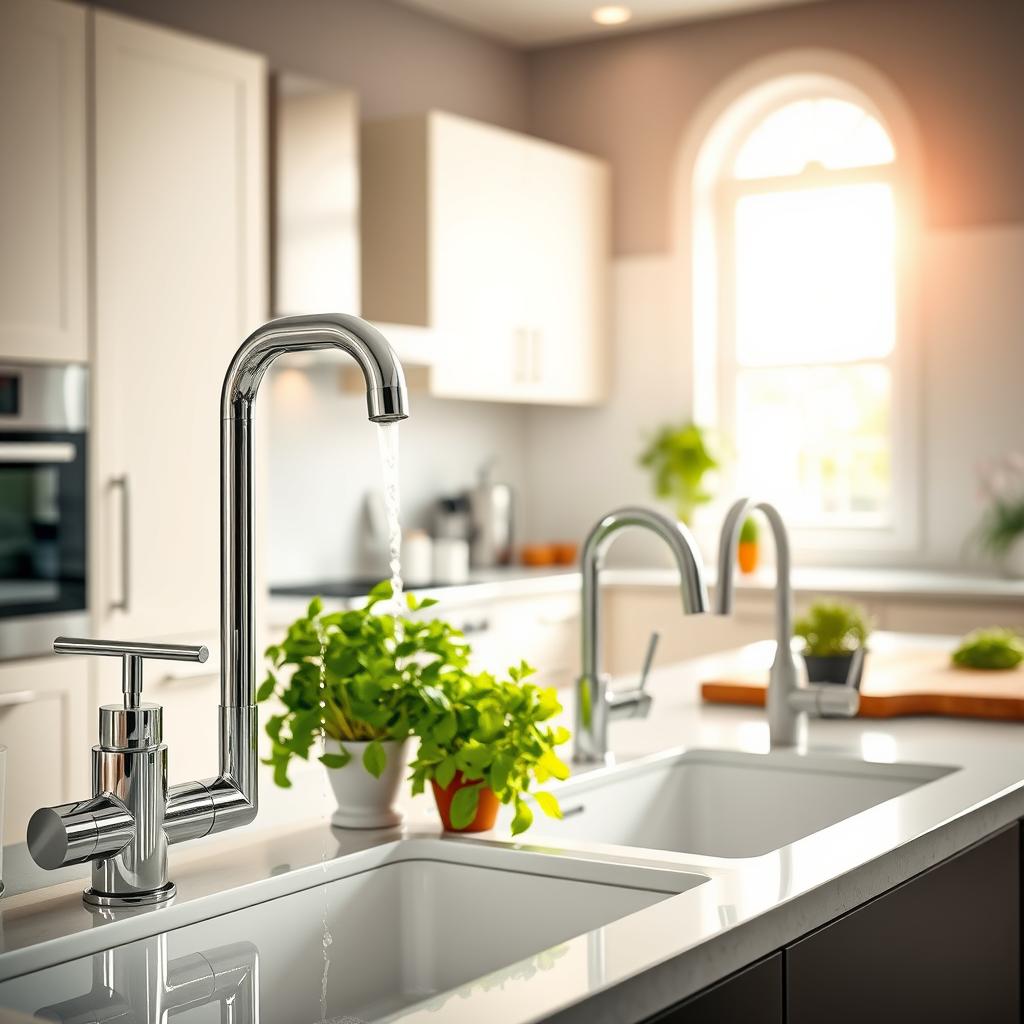
I still remember the first time I swapped out my old faucet during a weekend remodel. The sink looked better, but what surprised me was how small changes in flow and pressure made daily chores feel easier. That taught me an important lesson: smart choices can blend design, comfort, and real conservation.
In this guide, we set a practical, design-forward path so you can choose the right faucets and products like a pro. I’ll translate technical terms—flow, pressure, GPM, and aerators—into clear decisions you can use during a remodel or a quick upgrade.
Low-flow aerators mix air into the stream to keep rinse performance while lowering rate. Many options are EPA WaterSense certified and meet federal baselines, so you get measurable efficiency and potential rebates.
We promise expert guidance and real-world tips. Later in the guide, you can explore our main kitchen page for curated picks and design ideas that match your style and goals.
Key Takeaways
- We break down flow and pressure so you can choose the right faucet for daily use.
- Aerators keep rinse quality while lowering GPM and energy use.
- Look for EPA WaterSense and federal baselines to avoid marketing hype.
- Proper pairing of faucet and aerator keeps prep fast and tidy.
- We provide installation tips and product guidance to protect performance.
Why upgrade now: smarter kitchen water use that cuts bills and boosts performance
Choosing smarter taps now improves rinsing, reduces consumption, and pays back over time. Upgrading helps reduce water and hot‑water energy use immediately. That means comfort upgrades and measurable savings on utility bills.
Start with simple definitions: “low flow” usually means a faucet at or below the federal cap (2.2 gpm). “High‑efficiency” describes models that beat that baseline and offer real reductions. WaterSense labels—1.5 gpm for private lavs—verify both performance and efficiency, and many towns offer rebates for certified products.
Start here: what “low flow,” “high efficiency,” and WaterSense really mean
- Immediate wins: New models control flow precisely, improving spray and reducing splash.
- Validated performance: WaterSense removes guesswork and often unlocks rebates.
- Design friendly: Modern finishes and spout geometries keep the style you want while cutting use.
Explore curated models and layout ideas any time on our main page for product direction: curated kitchen fixtures and designs. For technical picks and verified options, see our guide to water‑saving showerheads and faucets.
Standards and labels that matter: GPM limits, EPA WaterSense, and code basics
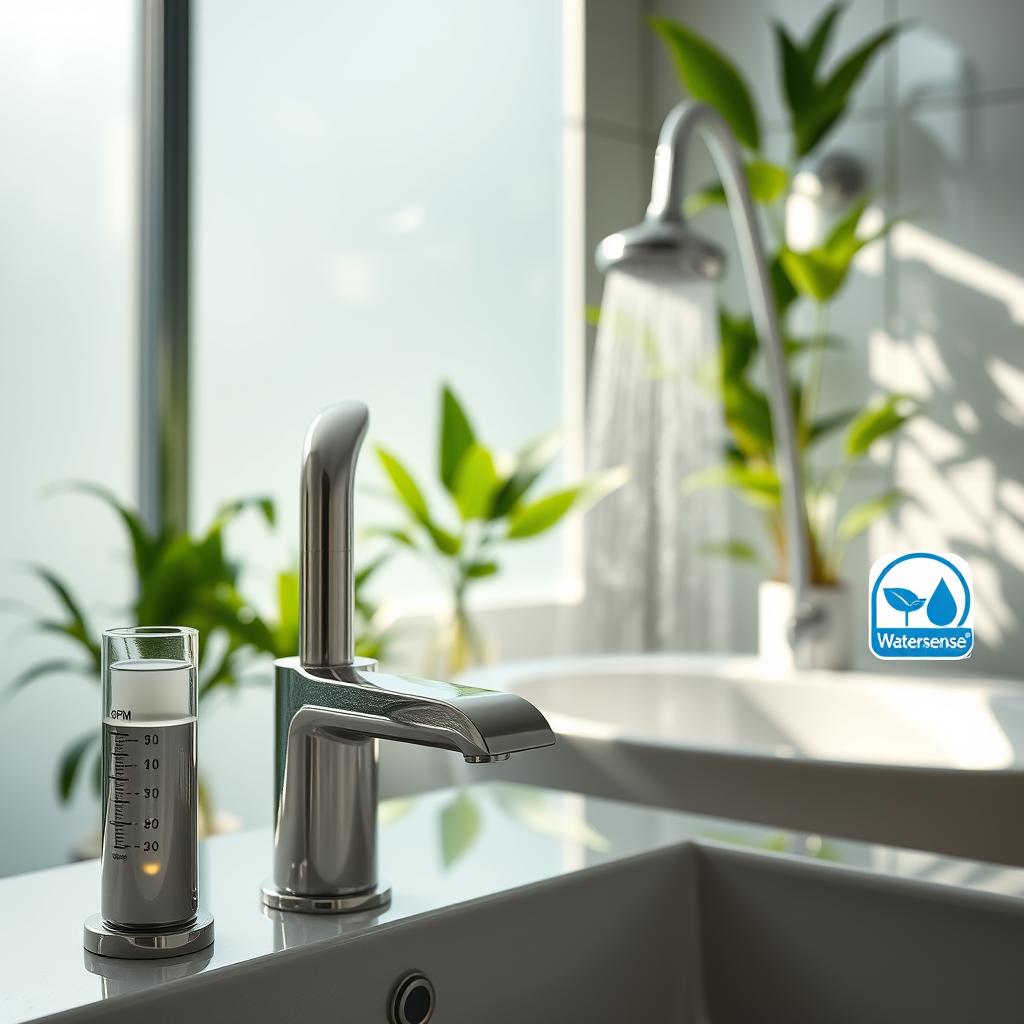
Standards set the baseline for performance and help you avoid poor choices at the sink. Federal rules cap many common products so you know the upper limit of flow and rate before you shop. We use those baselines to find options that keep tasks fast while improving efficiency.
- Know the federal ceilings: faucets are limited to 2.2 gpm, public bathroom lavs to 0.5 gpm, and showerheads to 2.5 gpm. These are maximums, not performance targets.
- High‑efficiency vs. low flow: “low flow” is often used loosely. We recommend true high‑efficiency models that beat federal standards without sacrificing function.
- EPA WaterSense matters: EPA labels (like 1.5 gpm lavatory faucets and 2.0 gpm showerheads) guarantee minimum spray force and coverage, which protects everyday usability.
Also check system pressure (20–80 psi) when specifying a rate in gallons per minute. Pressure affects perceived flow and makes a rated gpm deliver as promised. For code references and deeper technical notes, see the California green code and our guide to water‑saving showerheads and faucets.
Water saving kitchen fixtures: choosing faucets and add‑ons that reduce water without sacrificing pressure
When we specify taps for modern homes, the real question is how much flow you need for daily tasks. For most households, a tuned 1.5 gpm faucet delivers excellent control for hand‑rinse and light prep. If you regularly fill large pots, a 2.2 gpm model may be more practical.
Smart controls that earn their keep
Install aerators or laminar devices to refine the stream: they cut rate while keeping a clean edge and steady spray. Add a foot or temporary shut‑off valve to pause flow between tasks and avoid idle use.
Spray patterns and usability
Choose models with selectable modes—stream, needle, fan—to boost rinse velocity without upping gpm. Good spout geometry and quality valves preserve perceived pressure even at lower rates.
Touchless caveat
Touchless taps look modern, but many sensors trigger excess flow if not calibrated. Treat them as convenience tech, not automatic conservation tools.
- Tip: Confirm household pressure is in the 20–80 psi range for predictable performance.
- Tip: For retrofit guidance and budget ideas, see our budget-friendly shower and tub ideas.
Aerators explained: picking the right flow rate, thread type, and features for your sink
Match the aerator to the task, and you’ll keep rinse power while trimming per-minute rates. An insert blends air into the stream to preserve spray and perceived pressure even at lower gpm.
Shop by flow rate
0.5 gpm works well for public handwash sinks. 1.0 gpm suits bathroom basins. 1.5 gpm is a versatile choice for prep and heavier sink work.
Thread types and fit
Identify your spout: male, female, or dual‑thread adapters are common. If the outlet is recessed, you likely have a cache aerator that needs a small key.
Installation made easy
Most installs are simple twist‑on jobs. Cache styles require the key; hand‑tighten with a cloth to avoid scratches and test for leaks.
Certified performance and comfort
EPA WaterSense aerators are independently tested and can qualify for rebates. Modern faucet aerators improve spray structure and help reduce water consumption without losing feel.
- Tip: Match GPM to how you cook and clean, not just the label.
- Tip: Keep spare gaskets, a key, and a microfiber to protect finishes.
- Tip: Try multi‑packs to tune each station for best performance.
For related product guidance, see our best showerhead guide to compare certified options and rebates.
Performance factors: pressure, plumbing, and practices that protect flow and savings
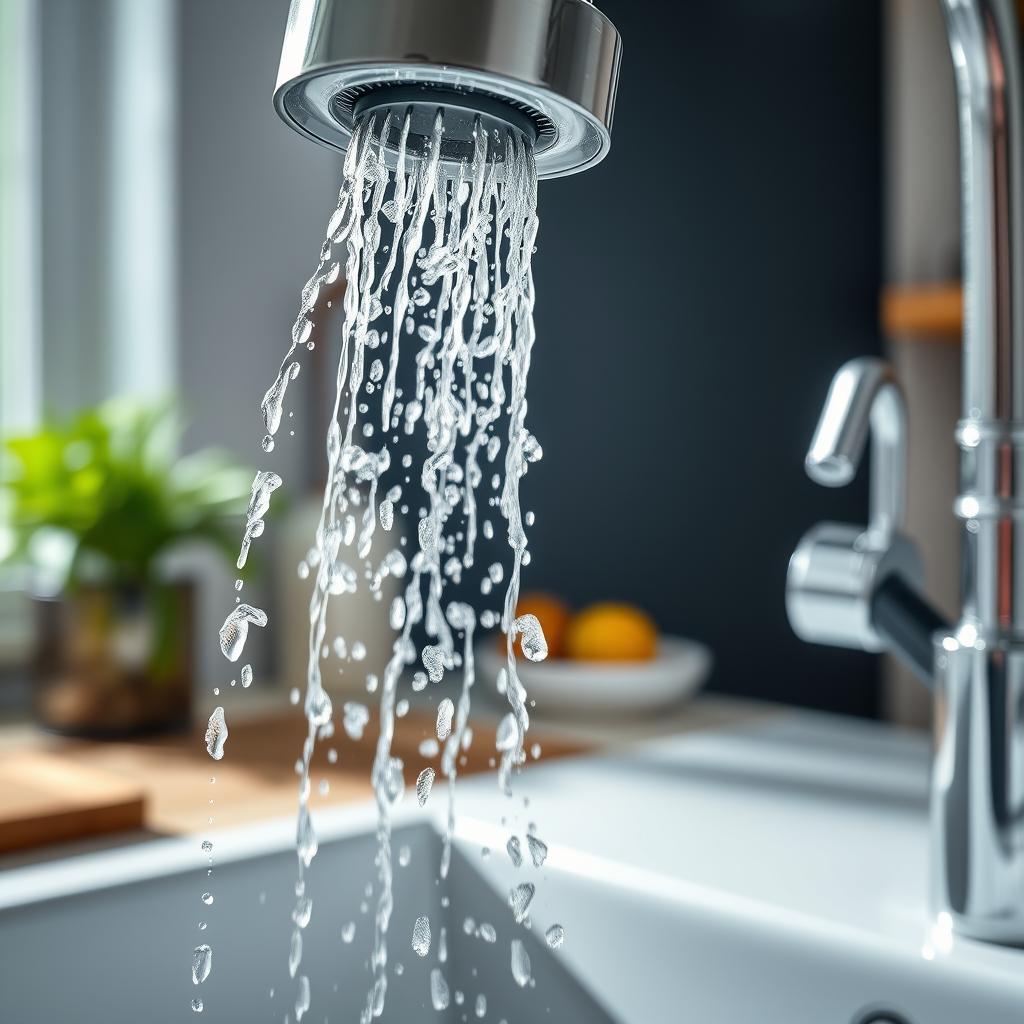
Small plumbing tweaks often unlock the full promise of low‑flow products without changing habits. We start by testing system pressure and verifying it sits in the 20–80 psi sweet spot. That range helps rated gpm deliver expected spray and coverage.
If pressure is too high, a tap can exceed its labeled gpm. If too low, performance feels starved. We install pressure‑reducing valves or add expansion tanks to stabilize the system and protect valves and the water heater.
Practical steps to keep performance steady
- Verify pressure: tune household water pressure into 20–80 psi so flow and spray match standards.
- Protect components: add pressure‑reducing valves or expansion tanks when needed.
- Routine practices: clean aerators, replace washers, and flush new lines to clear debris.
- Fix leaks fast: even small drips add up and undermine conservation and utility savings.
- Calibrate sensors: for touchless taps, set sensitivity to avoid accidental activations and excess flow.
- Temperature stability: use auto‑compensating mixing valves so showers stay steady at reduced gpm.
Result: a well‑tuned system means consistent flow, quieter pipes, and fewer callbacks. These low‑effort practices protect long‑term performance and household comfort.
What you’ll save: gallons, energy, and dollars with efficient fixtures and aerators
Upgrading a single tap can cut monthly bills and change how your household uses hot water. Trimming GPM at the sink reduces hot‑water draw and stacks both water and energy gains into real monthly savings.
Expect lower utility spend without losing comfort when we match flows to tasks. A targeted faucet swap plus the right aerator often pays back quickly in reduced heating costs and lower utility bills.
Lower utility bills: cutting hot water use multiplies water and energy savings
Reducing water consumption at the tap cuts the need to heat as much water. That lowers energy use and trims bills at the same time. Busy households see the fastest returns.
Incentives landscape: local utility and WaterSense rebate programs
- Many WaterSense‑labeled products qualify for municipal rebates and rebates from your local utility.
- We document eligible purchases and link receipts so you can claim incentives; see our guidance on filing and eligible products at local rebate details.
- For retrofit cost guidance and expected payback, check our remodeling notes at affordable remodel tips.
Bottom line: quantify gallons and dollars, maintain proper pressure, and perform simple upkeep so savings persist over time.
Conclusion
A smart final step is to balance flow rate, pressure, and fittings before you finish a project. We recommend a quick pressure check (20–80 psi), a sensor calibration for touchless faucets, and a temporary shut‑off valve for intermittent tasks.
Match your chosen faucet to the correct rate and use compatible faucet aerators so spray stays crisp at everyday flow. Picking a tuned 1.5 gpm model often reduces water use and hot‑water demand without slowing prep.
Honor standards, fix small leaks fast, and keep simple practices like routine aerator cleaning. Those moves protect efficiency and cut future bills.
Ready to compare models or request onsite advice? Browse our curated options and budget ideas at curated options or explore design ideas at https://zovehomes.com/kitchen/ and book a consult.


