
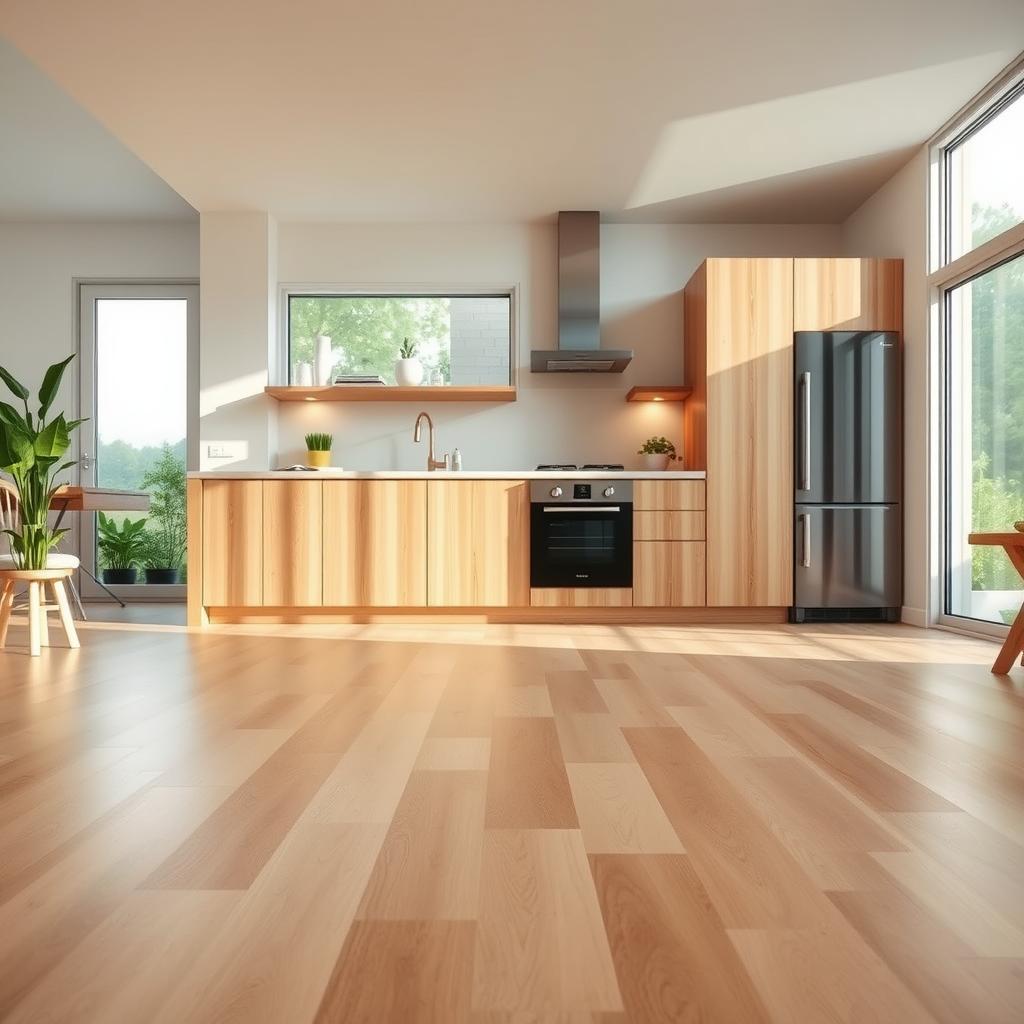
I still remember the first time I stood in a bright, busy kitchen and thought about what the floor would say about the home. That moment mattered because a floor is both practical and personal. We guide homeowners through choices that support daily life and lasting design.
In this short guide we balance performance and beauty. We compare common materials—vinyl, engineered wood, solid hardwood, tile, concrete, linoleum, cork, and rubber—so you know where each option fits your space.
We highlight maintenance, water resilience, comfort, and longevity, and point out when a surface needs extra care. For deeper project help, explore our full kitchen design and renovation guidance at https://zovehomes.com/kitchen/ and start your project today with us.
Key Takeaways
- Practical choices matter: pick floors that match your daily routines.
- Know the trade-offs: durability, comfort, and maintenance vary by material.
- Responsible sourcing helps indoor air quality and long-term value.
- We compare options side by side to simplify your final choice.
- For related wet-room guidance, see our bathroom floor resources at bathroom flooring guide.
What makes a kitchen floor truly eco friendly and kitchen‑ready today
Real kitchen decisions come down to how a surface handles spills, wear, and long days on your feet.
Key criteria include water resistance for routine washing and accidental spills, durability in high-traffic areas, resilience underfoot to reduce fatigue, and finishes that make the surface easy clean.
Healthy home factors
Select low‑VOC finishes and safe adhesives. Many oil-based finishes and some adhesives release volatile compounds. Aim for products under 250 g/L VOC or, better, prefinished assemblies with no added urea formaldehyde.
Ventilate during installation and choose long‑life materials that can be refinished or spot‑repaired. Longevity cuts waste and improves indoor air quality over time.
- Performance pillars: water and spill resistance, durability, resilience, and easy clean routines.
- Slip and stain focus: prioritize resistance near sinks and ranges where spills are most common.
- Installation and care: confirm VOC data, use kitchen‑rated sealers, and adopt a daily wipe/weekly clean/annual refresh rhythm.
- Design balance: pick a look that ties adjacent areas together while meeting functional needs.
For personalized recommendations and product specs aligned with your goals, connect with us via personalized recommendations. For design continuity ideas, see our backsplash guide.
eco friendly kitchen flooring: quick shortlist for different kitchens and budgets
We created a compact shortlist to match common layouts, budgets, and daily routines. Use these options to narrow choices fast and pick a surface that suits how you live and cook.
Best for busy, spill‑prone kitchens
- Porcelain or ceramic tile: outstanding moisture tolerance and easy clean upkeep. Place cushioned mats at prep zones to offset underfoot hardness.
- Polished concrete: durable, tintable, and pairs with radiant heat for added comfort during long prep sessions.
Best for open‑plan design continuity
- Solid hardwood (oak, maple): flows into living spaces for a cohesive look and can be refinished to extend life.
- Natural linoleum: warm visual flow, durable, and cost‑efficient for whole‑home use.
Best for warmth underfoot and long hours on your feet
- Cork & rubber: resilient, cushioned surfaces that reduce fatigue and stand up to routine wear.
- Reclaimed wood: characterful and sustainable, suitable where warmth and longevity matter most.
Quick note: engineered products risk edge swelling near sinks and dishwashers. If you cook daily and entertain often, favor solid or resilient options that tolerate cleaning and thermal swings.
We can tailor this shortlist to your layout, budget, and routine — explore pricing and tailored recommendations at https://zovehomes.com/kitchen/.
Sustainable wood choices: reclaimed wood and responsibly sourced hardwood
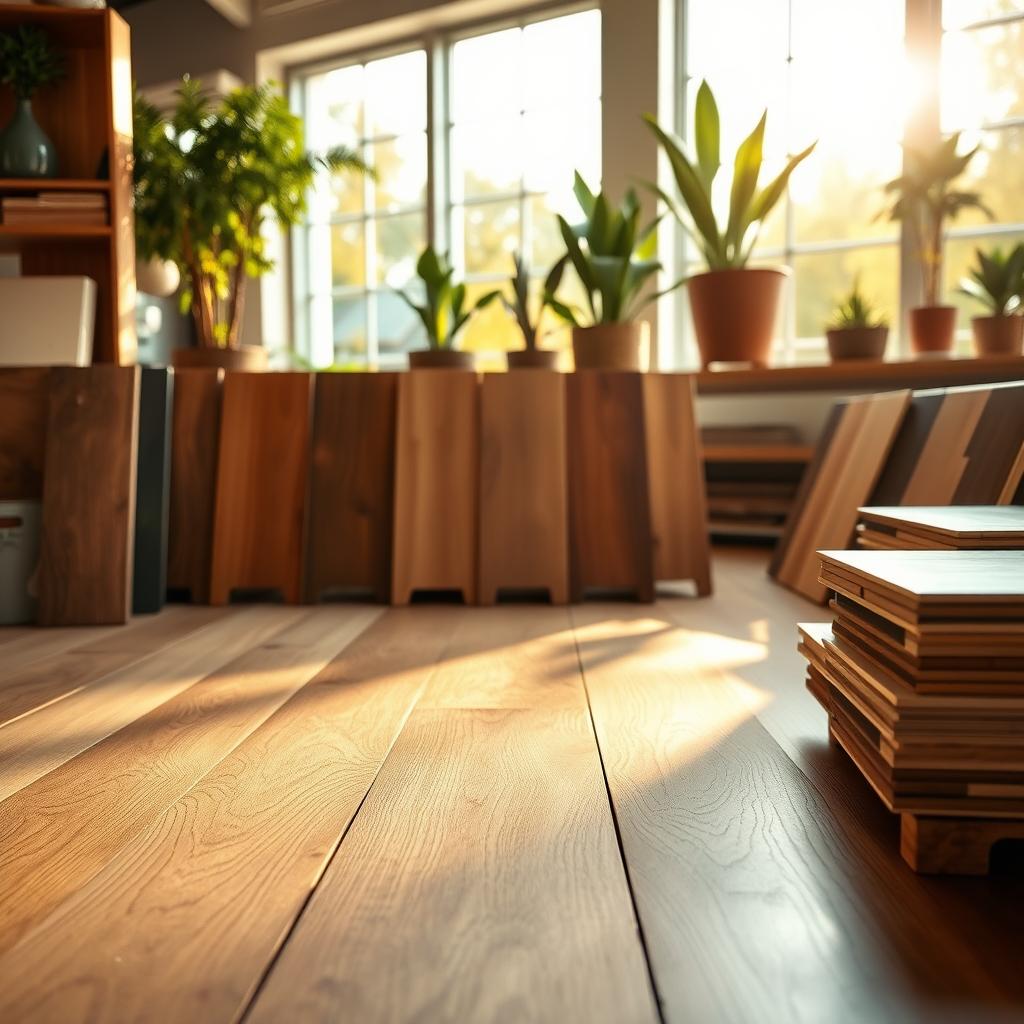
Choosing the right wood sets a durable, warm foundation for daily life. We look at reclaimed planks, responsibly sourced solid hardwood, and why some engineered options struggle near wet zones.
Reclaimed hardwood brings unique patina and diverts lumber from landfills. It supports circular resource use and can serve for many years with proper care.
Responsibly sourced solid hardwood like oak and maple offers refinishing potential that extends life and reduces waste. Domestic sourcing cuts transport impact and supports biodiversity when forests are managed carefully.
- Practical tips: place rugs at sinks, use felt under stools, and choose quality finishes to protect high‑use zones.
- Longevity: scheduled refinishing keeps wood beautiful for generations.
- Engineered risk: engineered wood can show edge swelling and discoloration near sinks and dishwashers, making it a cautious option for wet kitchen areas.
For sourcing strategies and finish schedules that fit your home, reach out at our kitchen page or explore reclaimed material details at recycled materials for bathroom design.
Resilient natural surfaces: cork and linoleum that cushion feet and resist spills
https://www.youtube.com/watch?v=GomSx_YbBDA
When comfort and spill resistance matter, natural sheet and tile options deserve a close look. We find both cork and linoleum offer a tactile, low‑maintenance alternative to harder surfaces.
Cork: renewable bark resource, antimicrobial properties, and comfort
Cork comes from the bark of the cork oak without felling the tree and often uses leftover cork dust from wine‑stopper production.
It contains suberin, which gives natural antimicrobial properties and helps resist mold. Cork’s resilient feel under feet reduces fatigue and cushions dropped items. For kitchens we prefer sheet or tile cork and caution against engineered planks near wet zones.
Linoleum (not vinyl): natural composition and whole‑home flow
Linoleum blends linseed oil, pine rosin, wood flour, cork dust, and a jute backing into a durable, bio‑based surface. It yields a refined matte finish that hides scuffs and supports an easy clean routine.
Both materials seal well with low‑VOC coats to boost water resistance and simplify upkeep.
- Practical advantage: sound dampening and warmth versus tile or concrete.
- Design benefit: smooth transitions across rooms for cohesive visual flow.
- Next steps: we’ll curate samples, colorways, and specs so these materials match cabinets, counters, and lighting — compare samples and finishes at our kitchen page.
Tile and concrete: durable, water‑ready options with style range
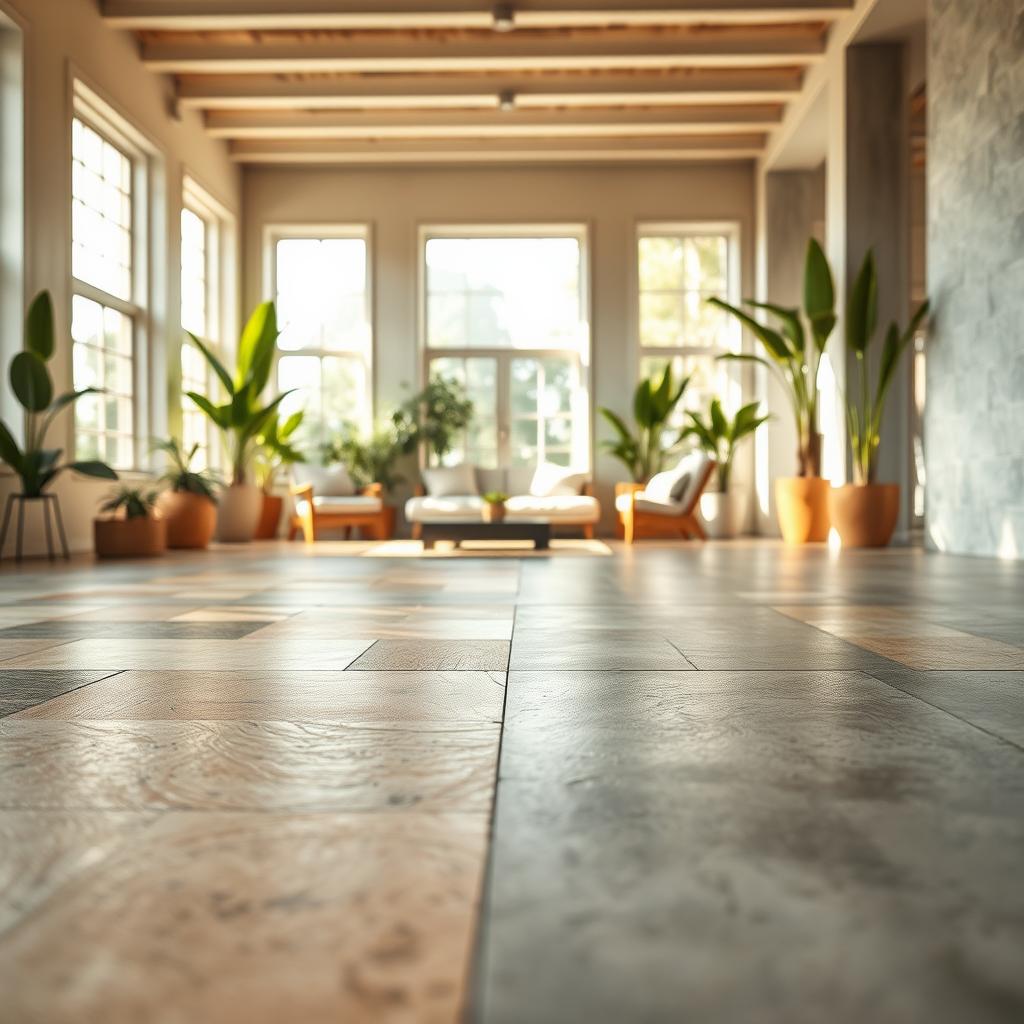
Tile and concrete offer practical performance and broad design choices for busy rooms. They handle spills and heavy use while allowing bold or quiet looks.
Ceramic and porcelain tile: stain resistance, easy maintenance, and underfoot hardness
Ceramic and porcelain tiles are very durable and resist stains, making them ideal for wet areas and heavy use. They clean easily but are hard underfoot, so we suggest anti‑fatigue mats at sinks and ranges.
Choose larger formats and narrow grout joints for a sleeker feel. Epoxy or stain‑proof grout cuts long‑term upkeep and keeps the surface tidy.
Concrete floors: polished or coated finishes, industrial design, and radiant heat pairing
Concrete gives a seamless plane that suits modern design. Polished or high‑performance coatings create a cleanable, resilient surface compatible with radiant heat.
- Avoid fly ash in finished mixes; specify sealed or polished mixes tested for indoor safety.
- Tiles allow expressive patterns; concrete offers a calm, gallery‑like backdrop.
- We’ll help pair tile patterns, grout color, and slab finishes with your cabinetry and lighting plan — start at https://zovehomes.com/kitchen/.
Rubber flooring for high‑traffic kitchens: soft step and simple maintenance
For busy homes that stand on their feet all day, rubber brings practical comfort without sacrificing durability. We recommend it where long service life and straightforward care are priorities.
Material notes: natural vs. synthetic, red‑list compliance, and cost
Natural rubber is a renewable resource and feels springy under feet, but it can trigger latex allergies for some users. Synthetic rubber widens performance options and often improves stain and chemical resistance.
- Formats: tiles or sheet goods with patterns that hide scuffs and simplify cleaning.
- Compliance: many lines meet Red List goals and avoid known toxic additives; ask for Living Building Challenge data.
- Practical life cycle: higher upfront cost can be offset by long life and low maintenance in heavy‑use rooms.
- Installation: use low‑ or no‑VOC adhesives and tight edge detailing for a hygienic, durable floor.
If you want brand and pattern recommendations that meet red‑list goals, contact us at https://zovehomes.com/kitchen/. We’ll review slip ratings, textures, and color options to match your use and design.
Installation and indoor air quality: finishes, VOCs, and long‑term durability
What happens at install time shapes air quality, durability, and the long‑term cost of owning a floor.
Choosing low‑ or no‑VOC sealers, adhesives, and prefinished options
We prioritize materials with verified low emissions. Aim for sealers and adhesives under 250 g/L VOC and ventilate during installation. Consider prefinished hardwood flooring that lists no added urea formaldehyde and shows no measurable VOCs.
For product research, see a curated list of best low‑VOC options to compare finishes and adhesives quickly.
Designing for a long service life: maintenance plans that extend floor life
A simple care plan keeps materials useful for many years. Schedule resealing or recoating, repair small issues promptly, and protect high‑traffic and sink zones with washable mats to reduce water and abrasion.
- Prefinished hardwood flooring reduces job‑site emissions and speeds installation.
- Concrete and tile need periodic sealer checks; keep grout sealed to cut staining.
- We coordinate installation timing and ventilation, then map a clean, maintainable protocol tied to your cleaning habits and design intent.
We’ll specify products and a maintenance timeline that fits your home — start with our bathroom guide and then tailor the plan for this kitchen.
Conclusion
A well‑chosen floor shapes how a home feels and performs every day.
From enduring wood selections to resilient cork and hard‑wearing tile and concrete, today’s kitchen flooring options let you match style with real durability.
If you favor wood warmth, reclaimed planks or domestic hardwood—oak included—offer long life and refinishing potential. Cork and linoleum bring comfort and natural ingredients for softer underfoot performance.
For max moisture resistance, choose tile or concrete with the right grout and sealers. Rubber adds cushioned resilience for long cooking sessions. Avoid engineered wood and vinyl in wet‑heavy zones and prioritize low‑VOC or prefinished products for better indoor air quality.
Ready to specify and install with confidence? Explore finishes and samples with our team at start your project, and learn more about green options at green flooring options.


