

Can a single platform cut energy bills, reduce surprises, and make daily operations feel effortless?
We believe it can. Open Kitchen connects HVAC, refrigeration, and cooking equipment to deliver continuous data and AI-powered insights that save time and boost efficiency.
The platform brings sensors, gateways, and cloud analytics together so you see trends and catch deviations before they become costly. Deployments report up to 20% lower energy use and 15% reduced peak demand, with demand response revenue surpassing $200K in select markets.
With rapid, plug-and-play deployment and OEM-agnostic support across 50+ brands, the solution simplifies operations without adding complexity. I’ll walk you through how a unified platform centralizes control, shortens response times, and improves equipment uptime.
Ready for design-focused guidance? Visit our main kitchen page for layout and planning tips and see how integrated monitoring fits your project: kitchen resources. Also learn about connected cooking systems and best practices in this overview: ChefLinc overview.
Key Takeaways
- Unified platform turns continuous data into clear actions that save time.
- AI insights and alerts reduce manual checks and prevent costly surprises.
- Proven energy savings and demand revenue make a strong business case.
- Plug-and-play hardware and OEM-agnostic gateways cut deployment time.
- Design and operations align when you plan monitoring early in the project.
What Remote Kitchen Device Monitoring Means Today and Why It Matters
Today’s smart kitchens rely on always-on connectivity to turn equipment signals into clear actions.
From IoT connectivity to real-time insights
We connect HVAC, refrigeration, and cooking equipment to a secure cloud platform that delivers real-time access to status and KPIs. Wireless temperature sensors and automated logs provide continuous data so teams catch issues early.
Equipment coverage across a wide range
Coverage spans a wide range of gear — from compressors and combi ovens to fryers and dishwashers. Tools like EquipmentTracker and Machine Link measure consumption, runtime, and offer control where supported.
Food safety, quality, and practical value
Automated logging and alerts protect food and safety. Continuous temperature records cut spoilage risk and ease compliance. Staff spend less time on manual checks and more on guest-facing work.
- See trends in compressor runtime and defrost cycles to plan service.
- Use dashboards for fast access to alerts and management oversight.
- Design planning matters — plan receptacles and sensor placement during layout: kitchen planning.
For industry trends and practical design tips, explore smart-kitchen strategy on our smart-kitchen trends page.
How to Implement remote kitchen device monitoring Step by Step
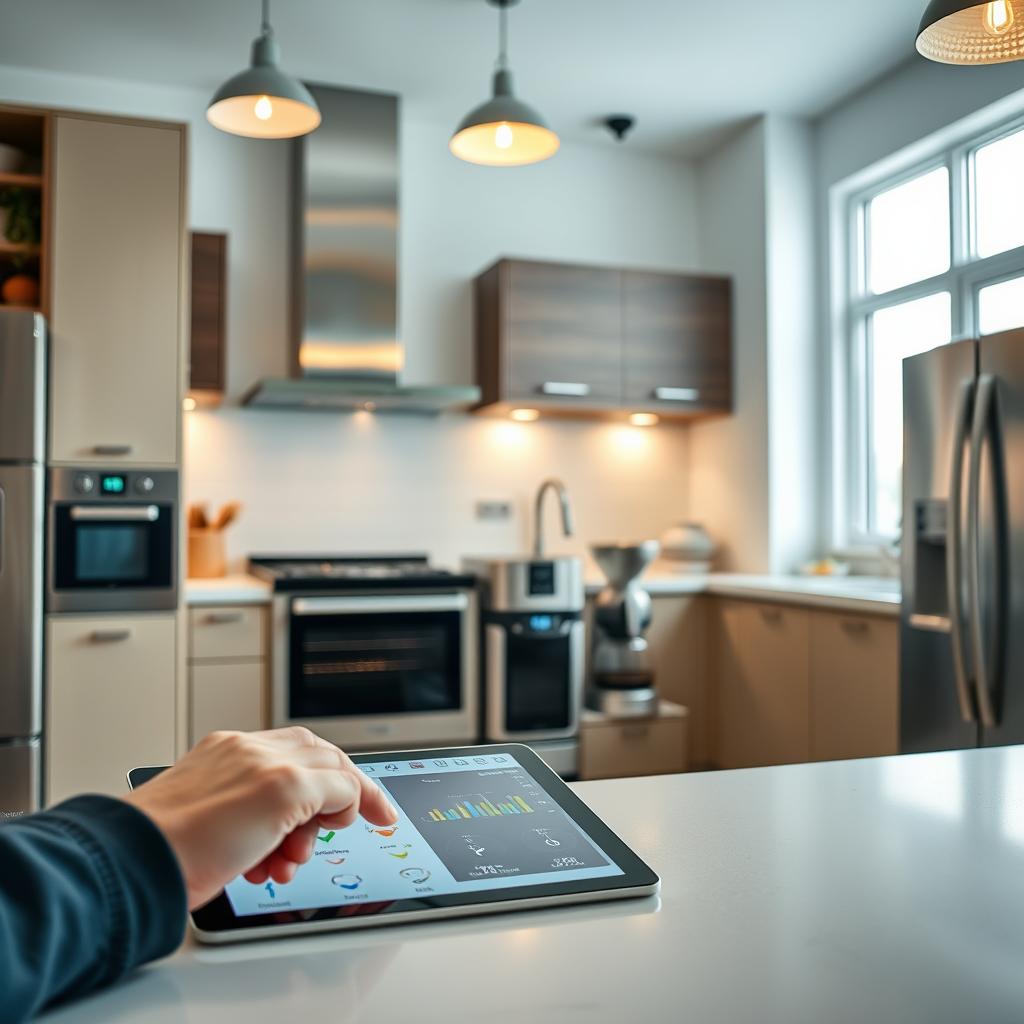
A clear, repeatable rollout turns complex systems into manageable daily routines.
Audit goals and equipment
Start with a short inventory of kitchen equipment and map processes to KPIs. Focus on energy, temperature, food safety, and overall performance.
Select hardware and software
Choose sensors and gateways for reliable capture. Add SmartKitchen’s EquipmentTracker to measure energy and hours, and Machine Link where control is required.
Configure the cloud and users
Define sites, zones, and user roles in the cloud so the right people see the right data. Secure flows and tidy hierarchies save time and improve management.
Set alerts, logs, and pilot
Establish alerts for temperature deviations, abnormal energy, downtime, and leaks. Use software tools to automate logs and daily checklists without extra admin work.
- Pilot first: validate data integrity and control behaviors in one site.
- Build processes: who answers alerts, response steps, and how to record fixes.
- Scale: replicate tested settings site by site and refine thresholds from real use.
For implementation considerations and help, explore our main page or contact us: zovehomes.com/kitchen/.
Optimize Daily Operations: Energy, Temperature, and Compliance
When management pairs enterprise control with equipment-level data, you get a practical playbook for cutting costs and protecting quality. Open Kitchen’s AI-enabled thermostats and equipment-level tracking can reduce energy consumption up to 20% and peak demand by 15%, with demand response revenue potential exceeding $200K in select markets.
Reduce energy consumption with enterprise controls, demand response, and equipment-level monitoring
We combine centralized control with granular usage data so teams spot outliers fast. That means tighter setpoints, aligned start/stop times, and fewer phantom loads—small changes that lower energy costs and waste.
Automate temperature logging and protect refrigeration to avoid costly product loss
Automatic temperature logging has saved customers over 500,000 labor hours. Real-time alerts tied to compressor runtime and defrost cycles let you intervene before temperature drift causes food loss or quality issues.
- Fewer manual checks: continuous logs free staff time and strengthen compliance records.
- Targeted alerts: route the right signals to the right people to reduce noise and speed fixes.
- Management dashboards: compare consumption and usage across sites to replicate wins.
Want help fitting these optimizations into your project plan? Visit our main page for personalized guidance or see related planning advice in our lighting and planning guide.
Scaling Across Facilities: Centralized Control, Cost Savings, and Sustainability
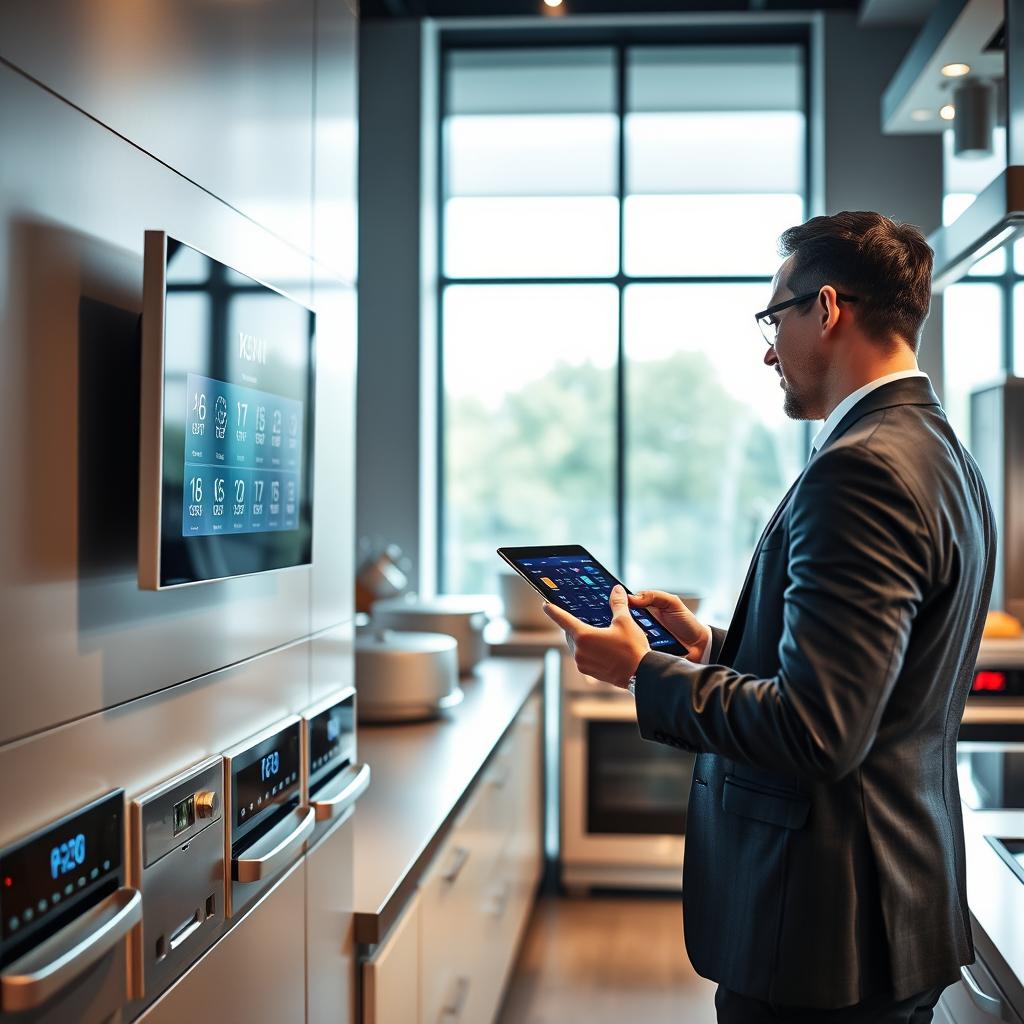
Managing dozens or thousands of locations needs clear control, data, and repeatable processes to keep costs down. We built a cloud-first platform that centralizes access and makes performance visible across your portfolio.
AI insights, proactive maintenance, and mass updates
AI-enabled insights spot potential issues early so planned service replaces costly emergency repairs. Dashboards compare consumption, usage, and temperature stability to guide better decisions and cut waste.
Menu and firmware distribution deploys products and software updates to an individual unit or entire fleet with one click. That eliminates manual steps and speeds rollouts across restaurants and foodservice locations.
- Centralized cloud control reduces site visits and enforces consistent standards.
- Governance and permissions protect changes while keeping operators agile.
- Plug-and-play gateways and sensors enable fast, repeatable deployment kits.
- Maintenance plans use runtime and trend data to prioritize work and extend equipment life.
For teams managing multiple facilities or planning expansion, connect with us to explore enterprise solutions and see how customers reduce energy use, lower costs, and improve product consistency: https://zovehomes.com/kitchen/
Conclusion
When software, cloud analytics, and equipment work as one, you get measurable returns fast. We’ve shown how modern monitoring turns kitchen equipment into a connected, high-performance ecosystem. That combination protects food, boosts quality, and trims costs.
From prevention to performance, real-time alerts and clear dashboards help operators cut loss and save time. Automated temperature logs and proactive alerts defend inventory and reduce emergency repairs. Open Kitchen and SmartKitchen examples show real outcomes: up to 20% energy reduction, 15% peak demand cuts, six-figure demand response revenue, and 500,000+ labor hours saved.
If you manage one site or many, we can map a plan that fits your budget and timeline. Explore your options and get personalized guidance at https://zovehomes.com/kitchen/.


