
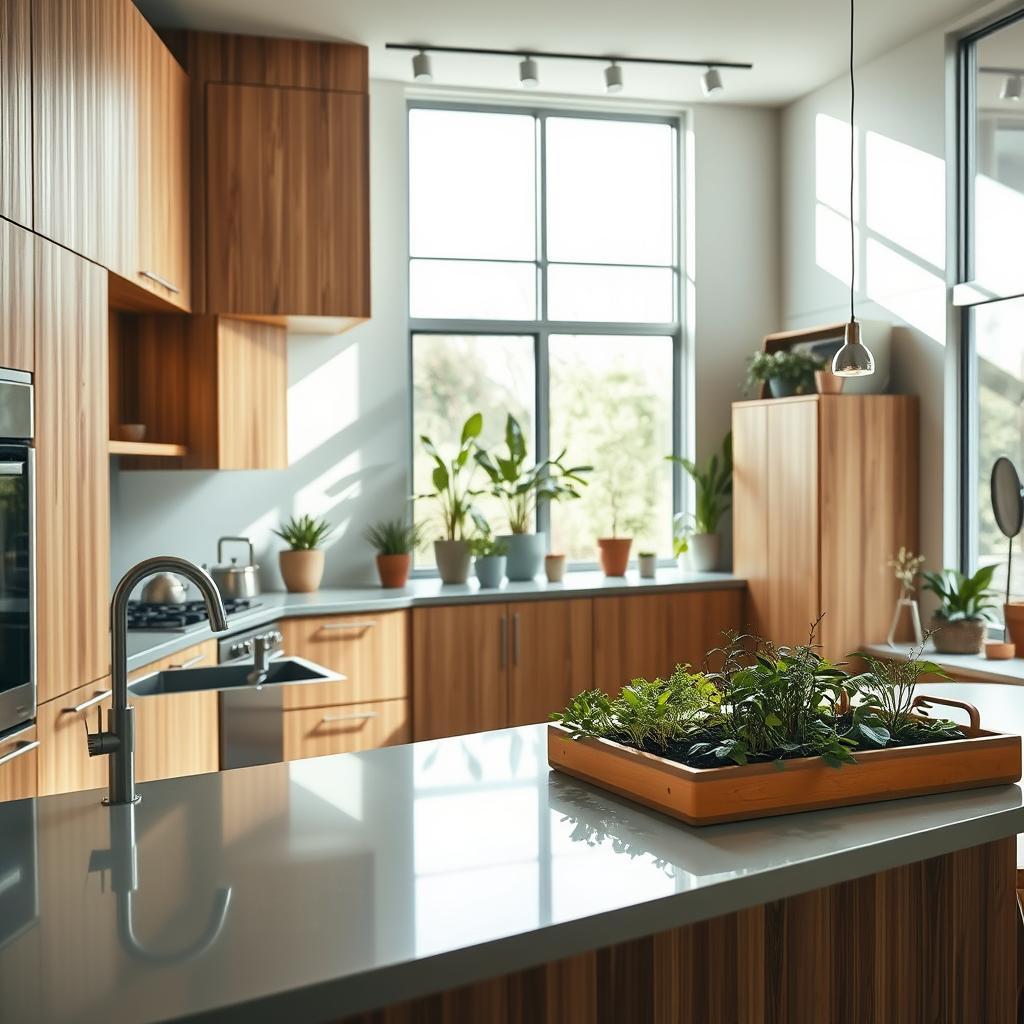
I remember standing in a small, sunlit apartment imagining a modern space that feels effortless to live in. I wanted beauty that lasts and bills that don’t keep rising. That moment began our focus on how choices in design actually shape daily life and future value.
We translate technical ideas into clear plans for busy homeowners. Practical upgrades—like ENERGY STAR windows and WaterSense faucets—cut energy and water use while improving comfort. Across real projects, these changes often mean 12% lower energy bills from better windows and up to 30% lower operational energy overall.
We also spotlight proven options: bamboo flooring at about $3–$8 per sq ft, durable strand-woven styles, and recycled glass counters that can cost 50–75% less than stone. Explore vetted solutions and design inspiration on our main page to see how we translate these insights into real outcomes: recycled materials for bathroom design and visit our kitchen hub for full palettes.
Key Takeaways
- Think long-term: Upfront choices often pay back through lower energy and water use.
- Bamboo and recycled glass are cost-effective, stylish options with strong durability.
- ENERGY STAR windows commonly reduce bills by about 12%.
- WaterSense fixtures can save 700+ gallons per year per household.
- We evaluate durability, maintenance, indoor air quality, and waste diversion.
Why Lifecycle Cost Matters in a Sustainable Kitchen Renovation
When planning a remodel, we always start with the real question: what will this decision mean ten years from now?
Total cost of ownership goes beyond the sticker price. Factor in energy and water bills, maintenance cycles, refinishing needs, repair risk, and disposal or resale credits. Simple upgrades—ENERGY STAR appliances and windows—produce measurable energy savings; across a project, utilities can fall by up to 30% and windows often cut bills by about 12%.
Total cost vs upfront price
A cabinet that lasts 25–30 years and can be refinished may cost more up front but pays back through higher resale value and fewer replacements. WaterSense faucets use 1.5 GPM or less and can save 700+ gallons per year, a clear operational saving.
Balancing durability, maintenance, and resale value
We recommend durable surfaces—strand-woven wood flooring at $3–$8 per sq ft and select composites—to cut long-term waste and disruption. Choose low-VOC finishes to reduce cleaning and health impacts.
- Quantify trade-offs: compare service life, repair risk, and resale uplift.
- Operational savings: energy-efficient appliances and LEDs compound yearly savings.
- End-of-life planning: prefer options that can be refinished or recycled to lower total impact.
When you’re ready to align budget with value, explore our curated options at kitchen design and planning or see trends for surfaces in our countertop trends guide.
How We Calculate Lifecycle Costs and Environmental Impact

We model every selection so homeowners see clear, comparable results. Our approach converts purchase and install figures into annual totals that include energy use, water, routine maintenance, and end-of-life handling.
Energy and water inputs: we use present U.S. utility averages and typical daily use—cooking, dishwashing, and lighting—to estimate energy consumption and water savings. ENERGY STAR appliances trim appliance energy by 10–50%, and WaterSense faucets save 700+ gallons per year.
Carbon, emissions, and waste diversion
We quantify embodied carbon from manufacturing and transport, then add operational emissions tied to electricity or gas. Waste diversion scores favor strategies like cabinet refacing, which can avoid ~950 lbs of landfill waste and ~2.3 tons of carbon.
Certifications and indoor air quality
We translate labels into dollars and impact: ENERGY STAR, WaterSense, and FSC guide estimates, while low/zero-VOC brands (AFM Safecoat, ECOS, Rubio Monocoat) reduce indoor emissions and improve air quality.
- Summed inputs: purchase + annual utility + maintenance + end-of-life.
- Scenario comparisons: appliance upgrades, refacing vs replacement.
- See examples and recommended finishes at our kitchen page to match numbers with design and sustainable materials choices.
Cabinet Pathways: Refacing, FSC Wood, Bamboo, and Reclaimed Wood Compared
A smart cabinet strategy can cut waste, shorten your timeline, and boost long-term value. We outline four clear pathways so you can match style, durability, and environmental impact to your remodel goals.
Refacing for minimal waste and fast turnaround
Refacing preserves existing boxes, replacing doors, drawer fronts, and hardware for a quick refresh. It typically saves 50–70% of the budget and finishes in 3–5 days.
Refacing diverts about 950 lbs from landfill and avoids roughly 2.3 tons of carbon from new cabinet manufacturing.
FSC-certified wood: long service and refinish potential
FSC-certified wood carries a 20–40% premium but often lasts 20–30+ years. The Forest Stewardship Council chain of custody ensures responsible sourcing and strong resale value.
Bamboo and reclaimed wood trade-offs
Bamboo offers rapid renewability and natural antimicrobial traits; verify formaldehyde-free adhesives and low-VOC specs.
Reclaimed wood adds unique character and reduces new logging, though de-nailing, milling, and contaminant checks can increase prep labor.
- When to choose refacing: minimal disruption and maximum waste reduction.
- When to choose FSC wood: long lifespan and repeated refinishing.
- When to choose bamboo or reclaimed wood: contemporary renewability or one-of-a-kind aesthetics.
Indoor air quality wins with water-based, low/zero-VOC finishes (often kitchen remodel guide.
Countertops and Backsplashes: Recycled Glass, Paper Composite, and Bamboo Options
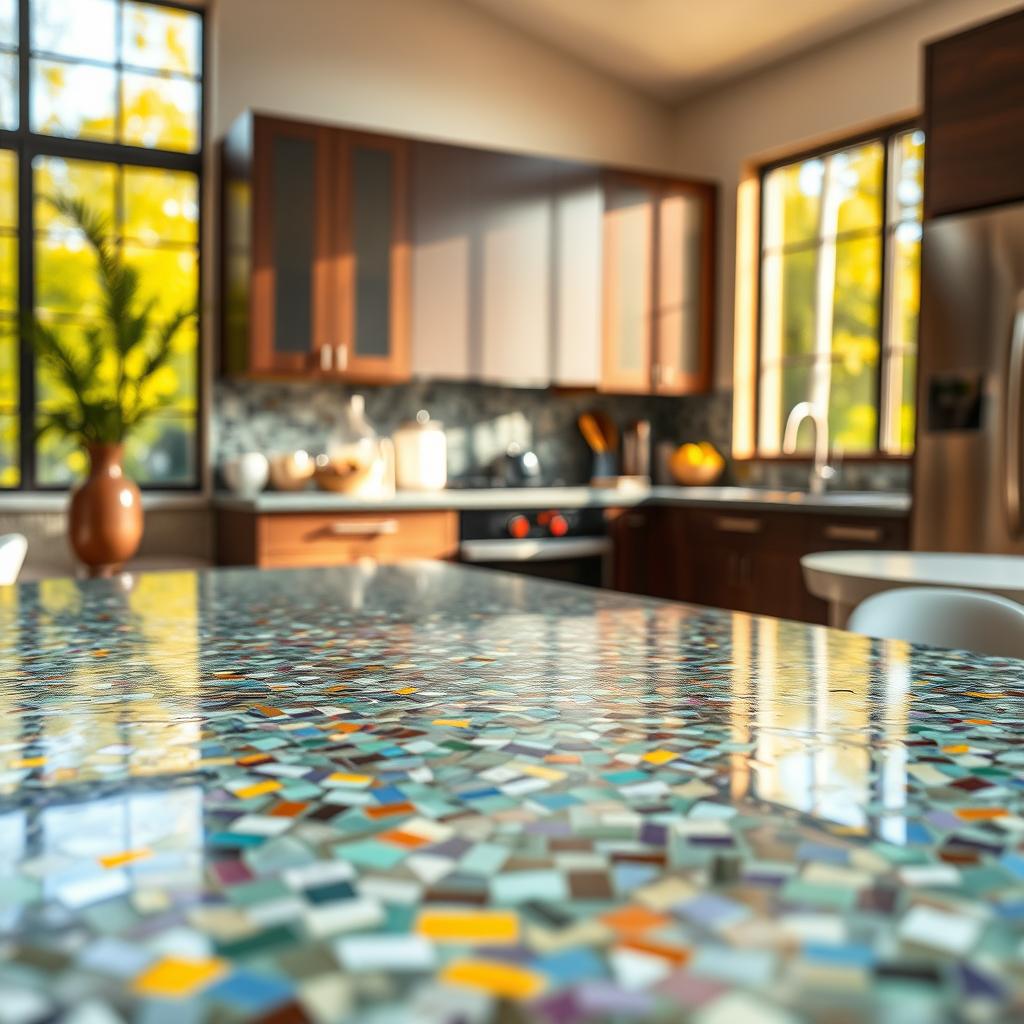
Countertops and backsplashes set the tone for how a space looks and performs every day.
Recycled glass counters blend crushed post-consumer glass with durable binders to create unique, heat- and stain-resistant surfaces. They can cost roughly 50–75% less than granite or quartz while diverting meaningful waste from landfills. Brands like Vetrazzo illustrate the visual range you can achieve.
Paper composites such as PaperStone and Richlite offer a matte, budget-friendly option. Typical installs range from about $1,278 to $2,132 and they score well for IAQ thanks to low emissions.
Bamboo tops and tiles deliver renewable strength and appealing wood grain. They need edge protection and periodic sealing to keep cleaning simple and longevity high.
- Recycled glass tiles add color depth and low-VOC performance for backsplashes.
- Paper-based surfaces are affordable and easy to maintain with mild soap and water.
- Pairing ideas: try recycled glass countertops with a paper composite island, or bamboo tops with recycled glass tile backsplashes for cohesive colorways.
For material boards and colorways that pair beautifully with efficient appliances and low-VOC paints, explore our kitchen guide.
Flooring That Lasts: Bamboo, Cork, and Marmoleum for High-Traffic Kitchens
Choosing the right floor makes busy mornings feel quieter and cleaning easier. We focus on options that resist dents, spills, and heavy use while supporting indoor air quality and long-term value.
Bamboo options and performance
Bamboo plank systems run about $3–$8 per sq ft. Strand-woven products rank among the hardest wood-style choices and come in low-VOC finishes.
Cork for comfort and resilience
Cork is harvested without harming the tree and offers natural antimicrobial traits. It cushions feet during long prep sessions and recovers well from light impacts and spills.
Marmoleum: long wear, low emissions
Marmoleum (linoleum) delivers low VOCs and color-through construction that hides wear. Cleaning is simple with dry mops and pH-neutral cleaners, so you use fewer harsh chemicals.
- Durability math: floors that resist water and stains cut replacements and waste over time.
- We cover underlayment, seam sealing, and finish systems to boost water resilience in a busy kitchen zone.
- For finish schedules and pattern ideas, see our curated flooring looks at our kitchen page.
Appliances, Windows, and Fixtures: Energy and Water Savings Over Time
We focus on the systems that run the room — the gear, glazing, and fixtures that shape daily bills and comfort.
ENERGY STAR appliances cut energy use by 10–50% depending on the product. Efficient refrigerators, dishwashers, and induction ranges deliver measurable utility savings and improve cooking performance with less energy wasted as heat.
ENERGY STAR windows typically lower energy bills by about 12% nationwide through better glazing and insulated frames. Paired with tight sealing, they shrink heating and cooling loads and reduce operational carbon.
WaterSense faucets at 1.5 GPM or less save 700+ gallons per year while keeping good pressure thanks to modern aerators. Swapping fixtures is a fast way to lock in water savings and reduce waste.
- LED and daylighting: lower energy draw and heat load for a more comfortable kitchen experience.
- Installation tips: dedicate circuits for induction, allow proper clearances for fridges, and follow dishwasher drain and air‑gap best practices so savings last.
- Incentives: stack manufacturer promotions and local rebates to improve upfront value and net savings.
Ready to spec efficient systems? Explore curated picks and pairings at curated picks and pairings or see compact fixture ideas at eco‑friendly half‑bath design ideas.
Indoor Air Quality and Health: Low-VOC Finishes, Solid Wood, and Ventilation
Healthy homes begin with small choices: low‑emission finishes, solid wood, and proper airflow. We focus on clear steps that reduce harmful chemicals and make daily life more comfortable.
Choose low/zero‑VOC paints and sealants. Brands we trust include AFM Safecoat, Bioshield, ECOS Paints, and Rubio Monocoat. Water‑based products often register under 50 g/L VOC versus 380–450 g/L in older solvent finishes.
Reduce harmful chemicals with solid options. Specify solid wood cabinets or formaldehyde‑free substrates and adhesives. These choices cut emissions and improve long‑term air quality.
- Application practices: ventilate, control temperature, and allow full cure times so products perform as specified.
- Ventilation and filtration: range hoods with proper CFM, ducting, and make‑up air remove cooking particulates efficiently.
- IAQ as part of the remodel: stage painting, sealing, and vent installation to minimize exposure and speed safe re‑occupancy.
Low‑emission products often resist yellowing and reduce cleaning needs, which lowers total product use over time. For IAQ‑forward palettes and finish schedules we trust for healthy, enduring kitchens, visit our kitchen page. For related flooring choices that support good air quality, see low‑cost flooring options.
lifecycle cost green kitchen materials: Make the Best Choice Today
Start by picturing how this room will feel on an ordinary weekday morning. That simple test helps us narrow options to what truly fits your routine and budget.
Quick decision framework: budget, lifespan, maintenance, and emissions
Use our quick framework: set your budget, target lifespan, desired maintenance level, and an acceptable emissions profile to shortlist the right options for your space and cooking habits.
Local sourcing to cut transport emissions and support communities
Favor local suppliers to reduce transport emissions and speed lead times. Look for FSC (Forest Stewardship Council) labels when choosing wood products to ensure responsible forestry and lasting value.
Start your kitchen transformation now
- Consider recycled glass counters for distinctive looks and lower upfront outlay, paired with WaterSense faucets to cut water use.
- Balance cabinets: refacing saves 50–70% and finishes in 3–5 days; FSC-certified wood offers longevity; reclaimed wood adds unique character.
- Choose efficient appliances that match your real needs—ENERGY STAR selections lock in measurable energy savings.
- Make indoor air quality non-negotiable with low/zero‑VOC finishes and formaldehyde‑free substrates.
Ready to move from planning to action? Start your kitchen transformation now with our expert team at custom kitchen design or learn more about local renovation options at Everett kitchen remodel services.
Conclusion
A thoughtful finish ties design to real, lasting benefits for your home and the planet.
Eco-friendly strategies deliver real results: up to 30% energy savings overall, ~12% from ENERGY STAR windows, and 700+ gallons saved per year with WaterSense fixtures. Refacing diverts ~950 lbs of waste and avoids roughly 2.3 tons of carbon.
Focus on big wins first—appliances, windows, lighting, and water fixtures—then lock in value with durable, low‑maintenance materials. Cabinets, reclaimed wood choices, recycled glass countertops, and resilient flooring all reduce waste and daily emissions.
When you’re ready, we’ll help map the smartest steps. Explore our curated options and book a consult at start at our kitchen page or learn about local services with Everett kitchen remodel services.


