
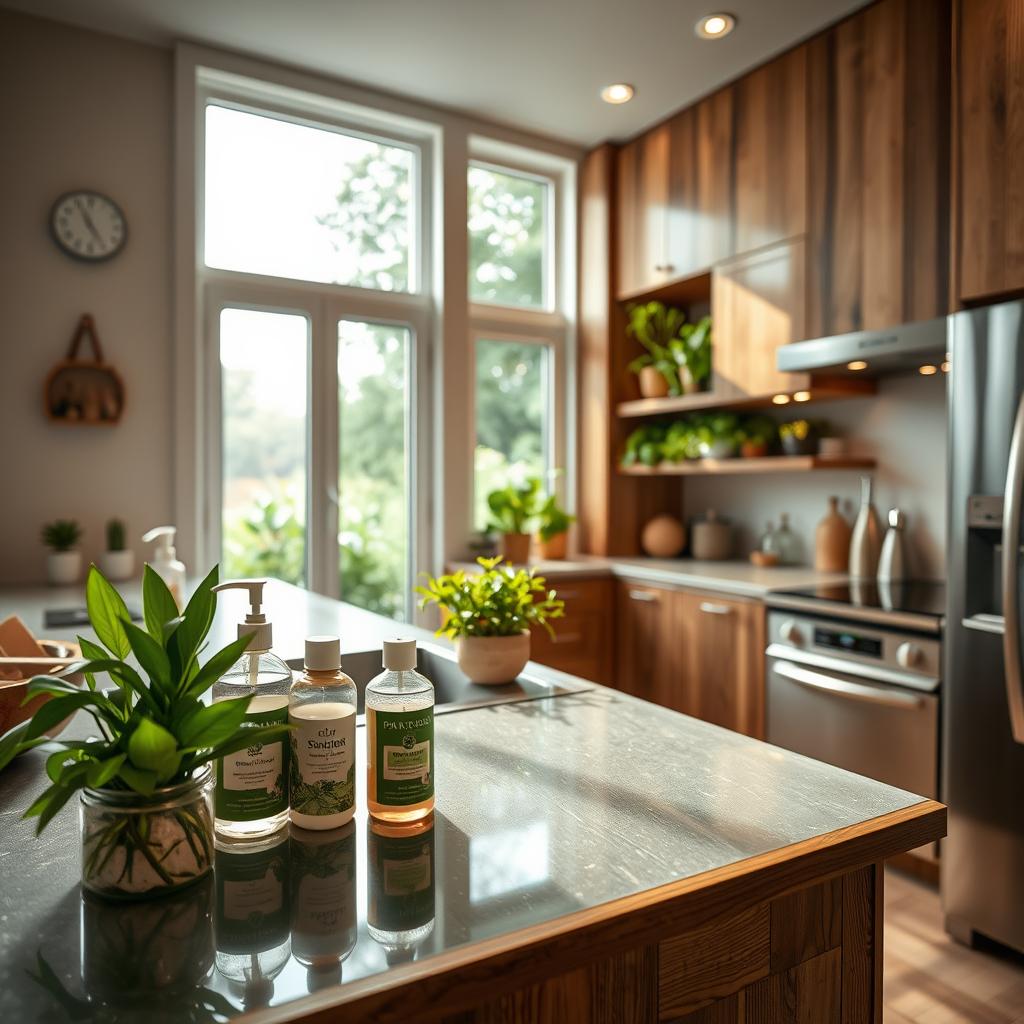
I still remember the first time we stood in a showroom and felt overwhelmed by cabinets, counters, and finishes. The swirl of options made the remodel feel personal and a little heavy.
That moment shaped how we now guide clients. We focus on practical choices that protect health, boost durability, and often raise resale value—while honoring a style you love.
Choose wisely and you gain long-term value: low-VOC paints, FSC-certified or reclaimed wood, bamboo cabinetry, recycled-glass counters, and energy-smart appliances all play a role.
In this buyer’s guide, we set clear priorities for selecting finishes and finishes and timelines, flag certifications like GREENGUARD and ECC, and map quick wins versus major remodel moves. If you’re planning a refresh, visit our Kitchen Design page to start planning with inspiration and tools from our team.
Key Takeaways
- Smart selections reduce toxins and improve indoor air quality.
- Durable options cut replacement needs and lower lifetime costs.
- Look for FSC, GREENGUARD, and ECC labels to verify claims.
- Prioritize high-use areas for immediate benefits.
- Our Kitchen Design page helps turn ideas into a practical plan.
What Makes Kitchen Materials Eco-Friendly Today
Today’s smart choices start with clear criteria: renewability, recyclability, and verified sourcing. We use these priorities to judge a product’s performance across its life—from extraction to disposal.
Key criteria include fast-renewing resources like bamboo, recycled-content composites such as MDF, and verified chains of custody like FSC. Low-emission finishes and GREENGUARD-certified surfaces help cut off-gassing and improve indoor air.
Health and emissions
Water-based paints and stains usually emit fewer VOCs and HAPs than solvent-based options. VOCs hide in paints, adhesives, and some composites; choosing low- or zero-VOC products reduces harmful chemicals and improves home air.
Quick checklist
- Ask about recycled content and pre/post-consumer percentages.
- Request GREENGUARD or ECC certification for low-emitting surfaces.
- Confirm FSC or reclaimed sources for wood and fast-renewing options like bamboo.
As you evaluate options, browse design inspiration and material pairings on Zove Homes’ kitchen gallery to see how eco criteria translate into built projects. For a focused list of choices, we also recommend this resource: 15 eco-friendly materials for a sustainable custom.
How to Evaluate the Environmental Impact Across a Material’s Lifecycle
To judge a product well, we follow its journey from forest or quarry to final disposal. This life-based view reveals where energy, water, and waste concentrate and where choices buy the most benefit.
From extraction to end of life: energy, water, waste
Start by asking simple, high-leverage questions: What energy does manufacturing require? Is process water reused? How far does it travel? These points shape a product’s total footprint.
Certifications that matter in the U.S. market (FSC, GREENGUARD, ECC)
We rely on verified labels to cut through marketing. FSC verifies responsible forestry. GREENGUARD confirms low emissions. ECC flags composites with real recycled content and reduced formaldehyde.
- Compare energy and water use in manufacturer disclosures.
- Check for EPDs or closed-loop practices (Cambria, Dekton examples).
- Plan for durability and end-of-life reuse or recycling.
We document submittals and keep a simple worksheet to compare products on energy, water, waste, certifications, and lifespan. For a side-by-side look at finishes and cabinetry options, explore Zove Homes kitchen and see related recycled choices on our recycled materials page.
Cabinetry Choices with Lower Footprints

When we plan a remodel, the cabinet spec often gives the best balance of aesthetics and measurable sustainability gains. Cabinets influence embodied resource use, indoor air, and long-term service life.
FSC-certified and reclaimed wood: beauty and durability
FSC-certified wood verifies responsible forestry and helps reduce sourcing risks. Reclaimed wood lowers demand for new timber and adds unique texture.
We compare solid wood frames and FSC veneers to reclaimed fronts, focusing on consistent grading and finish to achieve refined, modern looks.
Bamboo cabinets: fast-renewing strength
Bamboo is a fast-growing grass that rivals hardwoods for strength and dimensional stability. It suits clean-lined, contemporary cabinetry and supports rapid renewal cycles.
Recycled-content cores and formaldehyde-free options
Select recycled-content MDF or particleboard that contains no added formaldehyde for healthier interiors. NuGreen particleboard is a strong case: 100% pre-consumer recycled fibers and dual FSC/ECC certifications reduce chemicals and embodied burden.
- Specify water-based finishes to cut VOC emissions and protect installers.
- Choose durable, repairable hinges and slides to extend cabinet life.
- Map a smart spec: FSC or reclaimed faces, bamboo options, recycled cores, and water-based coatings.
See cabinetry ideas and request a consultation at Zove Homes — kitchen consultation to build a cohesive, lower-footprint cabinet package.
Countertops: Recycled, Natural, and Engineered Options Compared
A well-chosen countertop bridges performance needs with the aesthetic you want for the space. We compare leading surface types so you can match form and function to real household habits.
Recycled glass and paper composites
Recycled glass slabs repurpose bottles and jars into bold, durable surfaces with striking visual depth. Paper composites like PaperStone use recycled paper and non-toxic resin for a warm, low-waste finish.
Both need proper sealing and attention to scratch resistance; plan lead times for custom fabrication.
Quartz and ultra-compact surfaces
Quartz (Cambria) gives consistent patterning and stain resistance. Cambria’s GREENGUARD status and closed-loop polishing water are notable sustainability practices.
Dekton’s sinterized production yields heat-, scratch-, and UV-resistant slabs with carbon-neutral claims and an EPD for transparency.
Butcher block and reclaimed wood
Butcher block stores carbon and can be refinished over time. Choose plant-based or water-based finishes to keep emissions low and make resurfacing simple.
- Quick selector: recycled content for waste reduction; engineered stone for low maintenance; Dekton for top performance; reclaimed wood for warmth and renewability.
- For palettes and edge profiles that suit small counters, see our guide to compact countertops: compact countertop options.
Flooring That Supports a Healthier Home Environment
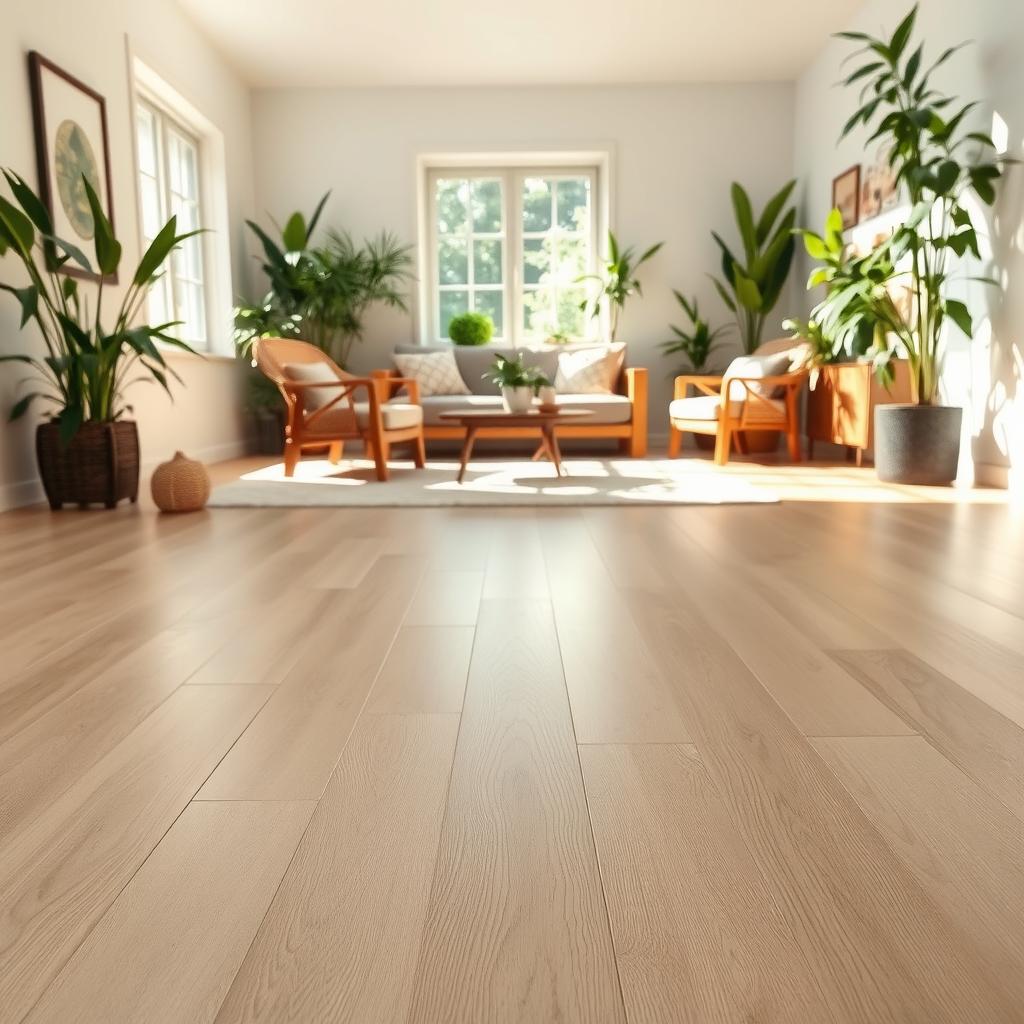
The floor underfoot is the busiest part of any home and deserves careful selection. We position flooring as the daily-use foundation that shapes comfort, acoustics, and air quality in a high-traffic kitchen.
Cork and bamboo: renewable comfort underfoot
Cork comes from harvested bark, so trees remain intact and the bark regrows. It offers natural insulation, soft resilience, and antimicrobial, hypoallergenic performance that keeps floors warmer and quieter.
Bamboo flooring delivers strong, water- and mildew-resistant planks. It suits modern cooking zones where splashes happen and pairs well with wood or painted cabinets.
Linoleum and recycled tile: biodegradable and circular choices
Linoleum blends linseed oil, wood flour, and jute for a durable, biodegradable surface that cleans easily. Recycled tile repurposes glass or ceramic into bold patterns with circular benefits.
- Installation: choose low-VOC underlayment and adhesives to protect indoor environment.
- Finish and texture: select matte or low-sheen for traction and simple cleaning.
- Care: use pH-neutral cleaners, mats at wet stations, and felt pads under stools to extend life.
- Design tip: explore floor-to-cabinet color coordination on https://zovehomes.com/kitchen/ before final samples.
Low-Emission Finishes, Paints, Lighting, and Fixtures
Choosing finishes and fixtures is the fastest way to improve indoor air while refining style. We focus on low-emission choices that protect occupants and installers without sacrificing color or performance.
Low- and zero-VOC paints; water-based stains for better indoor air
We recommend low- and zero-VOC paints and water-based stains to cut airborne VOCs and HAPs. These systems match the color depth of solvent finishes and drop off-gassing of harsh chemicals.
Pair stains thoughtfully with each wood species so tone stays consistent and emission targets remain low.
LED lighting and reclaimed metal fixtures: energy savings and reuse
Specify LEDs for task, ambient, and accent layers. They reduce energy use, run cool, and last far longer than legacy bulbs.
Reclaimed metal pendants, pulls, and brackets add character and circular value. They also save embodied resources compared with new metal finishes.
- Vet products: check SDS and VOC g/L on product data sheets and confirm third-party certifications.
- Lighting spec: choose dimming compatibility, 2700–3000K for warm scenes, and CRI ≥90 for color accuracy when cooking.
- Maintenance: clean lenses and finish surfaces with non-abrasive, low-chemical cleaners to preserve appearance and performance.
See finish and lighting concepts that complement your palette on our eco-friendly materials page and the full kitchen gallery to finalize your plan.
Appliances and Products That Reduce Energy and Water Use
Upgrading appliances is one of the fastest ways to shrink utility bills and modernize daily routines.
Energy-efficient products multiply the gains of low-emission finishes and long-lived surfaces by cutting operational energy over time. Models with Energy Star certification, precise induction cooktops, and adaptive controls lower runtime and wasted heat.
Look for units with water-saving cycles, smart leakage detection, and closed-loop systems that conserve resources and protect cabinetry from moisture. Right-sized, sealed hoods with low-sone ratings keep air moving while minimizing noise.
- Selection tips: Energy Star, adaptive wash modes, induction ranges, and leak sensors.
- Layout integration: panel-ready fronts, clearance planning, and correct electrical supply keep lines clean and installation smooth.
- Benefits: lower utility bills, reduced carbon, quieter operation, and longer product life.
Maintenance matters: swap filters, check gaskets, and descale per manufacturer guidance to keep efficiency high. Coordinate delivery windows with finish work to avoid delays and protect new surfaces.
For appliance sizing and how they tie into cabinetry and ventilation planning, see our guidance at https://zovehomes.com/kitchen/.
Myths vs. Reality: Clearing the Air on Eco-Friendly Materials
Let’s unpack a few myths that keep people from making healthier, longer-lasting choices. We’ll show how a sustainable kitchen can be stylish and sensible over time.
“Eco-friendly costs more” vs. durability and long-term value
Upfront costs can be higher, but the benefits often arrive over years. Durable choices cut replacement cycles and lower energy bills with efficient appliances and LEDs.
Think in payback: a stronger countertop or a better appliance can save money on repairs, replacements, and utilities.
“Limited design options” vs. today’s diverse finishes and styles
Design variety is robust. You can choose reclaimed wood, bamboo, recycled glass, linoleum, cork, or refined quartz and still get the look you want.
We use sample boards and mockups so your choices match light, texture, and use before you order.
Quick ways to start
Small actions make a big difference. Swap single-use items for reusable products, use glass storage, and try beeswax wraps to cut plastic waste and exposure to harmful chemicals.
- Cost myth: initial premiums often pay back through longevity and lower maintenance.
- Design breadth: warm wood tones or sleek bamboo fronts are real options for modern plans.
- Start today: change bulbs to LEDs, switch to glass containers, and pick low‑VOC paints to improve air.
We recommend vetting suppliers who publish certifications and product data. Ready to begin? Explore our process and book a consult: https://zovehomes.com/kitchen/.
Conclusion
A thoughtful remodel ties verified choices to everyday life, so your space performs and looks great for years.
We recommend specifying certified wood and recycled-content cabinets, low‑VOC finishes, and resilient countertops like GREENGUARD quartz or carbon‑neutral Dekton.
Pair reclaimed wood or bamboo islands with renewable floors—cork or linoleum—and add LED lighting and reclaimed metal fixtures for lasting style and efficiency.
Small habits matter too: glass storage and reusable products cut waste immediately. Verify FSC, GREENGUARD, and ECC documentation and plan for routine care and refinishing to extend life.
Ready to start? Visit our Kitchen Design page to explore options, request samples, and book a consultation. For backsplash inspiration see our stunning backsplash ideas.


