
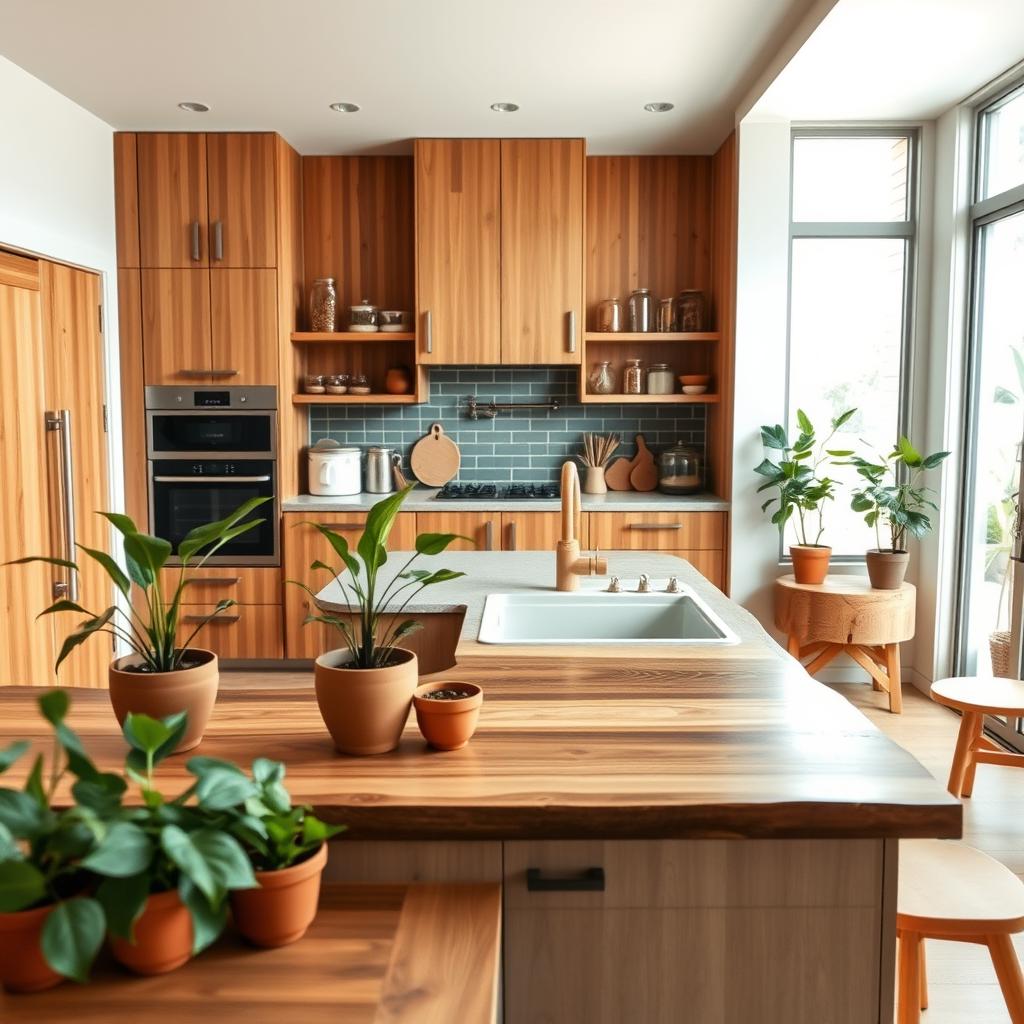
I still remember the first time I stood in my old kitchen and imagined a brighter, smarter space that fit our life. That moment felt personal and a bit daunting. We wanted style, better performance, and choices that lower bills and environmental impact.
In this introduction, we set clear expectations for your project. We explain how smart material and appliance choices can cut energy costs by up to 30% and boost home value. Small changes, like ENERGY STAR windows, can cut bills by around 12% nationwide.
We’ll offer a practical roadmap—from principles to appliances, lighting, water and air, and envelope upgrades—so your space becomes efficient and beautiful. Visit our main design hub to start planning at Zove Homes kitchen ideas.
Key Takeaways
- Smart upgrades can cut utility costs up to 30% while raising home value.
- Focus on low-VOC finishes, efficient appliances, and better windows for quick wins.
- We translate complex sustainability ideas into simple, actionable steps.
- Plan upgrades in the right order to avoid rework and maximize ROI.
- Compare layouts, materials, and options at our resources and explore recycled materials for design ideas.
Foundations of a Sustainable Kitchen: Principles, Impact, and Style
Good design begins with clear principles that balance performance, health, and lasting beauty. We define a sustainable kitchen as a holistic blend of responsible materials, efficient energy use, and reduced environmental impact—without sacrificing modern style or daily function.
Material choices matter. Choose reclaimed or FSC‑certified wood for cabinets and pair them with low‑ and zero‑VOC finishes from AFM Safecoat, ECOS Paints, or Rubio Monocoat to keep indoor air healthy.
Bamboo, cork, and Marmoleum make durable, low‑emission flooring that stands up to heavy use and lowers maintenance over time. Small layout tweaks—clear prep, cook, and clean zones—cut wasted motion and make the space feel larger.
- Reduce loads first: better envelope, lighting, and habits.
- Then select efficient appliances to compound savings.
- Weigh impact vs. feasibility to match your budget and goals.
Preview palettes and layout options at Zove Homes to see how high‑performance choices combine with cohesive finishes to raise home value and daily comfort.
Planning Your Remodel for Maximum Sustainability and Value
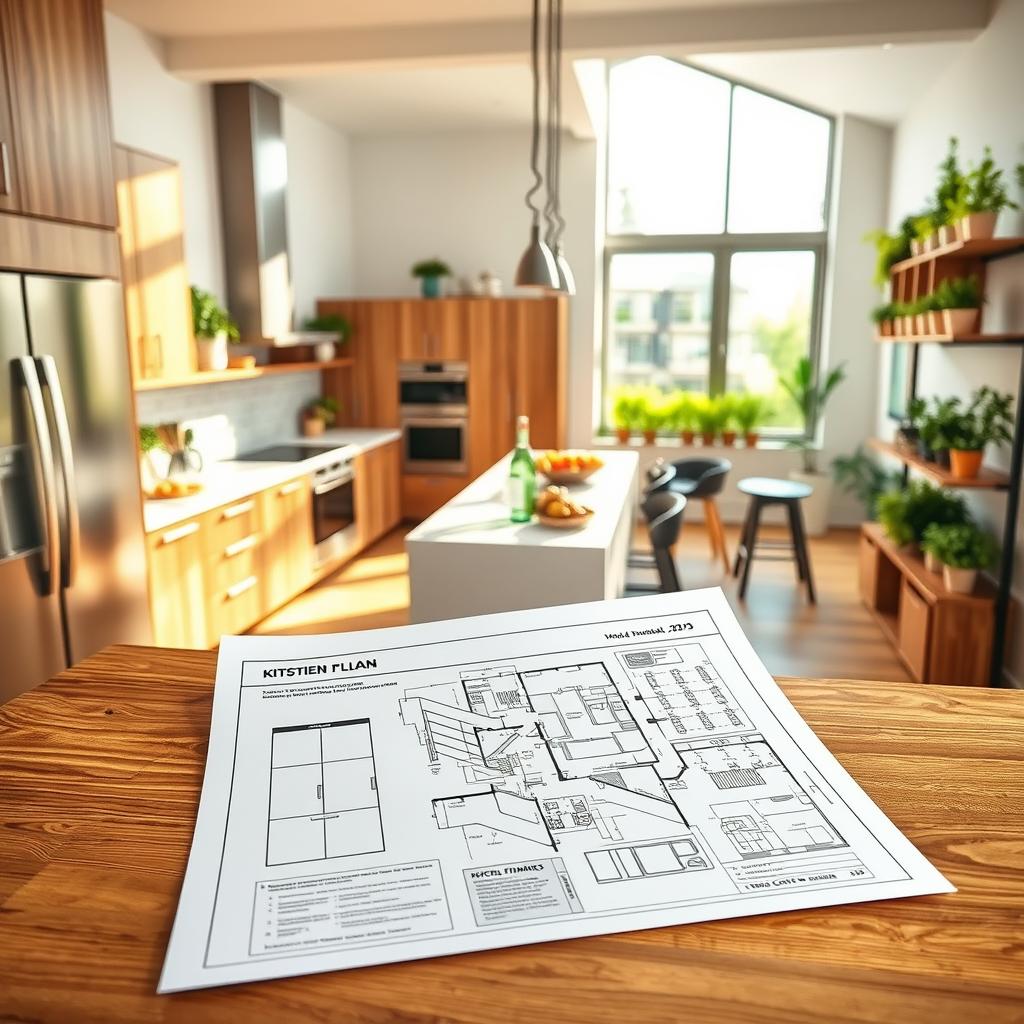
Before we lift a single tile, clear planning saves time and money while improving long‑term results.
Start with scope, timeline, and budget. Define performance goals, preferred materials, and how your space will function daily. That clarity keeps costs aligned with style and avoids costly changes.
Consider quick wins like cabinet refacing to cut waste, or recycled glass countertops that cost 50–75% less than granite. Bamboo flooring runs about $3–$8 per square foot and pairs well with FSC‑certified wood for consistent design.
- Prioritize envelope and layout moves that are hard to reverse.
- Lock appliances and systems early so trades coordinate smoothly.
- Plan water runs, filtration, and hot‑water layouts to avoid change orders.
- Build a short materials matrix to prevent last‑minute substitutions.
Use our planning hub to compare layouts, materials, and appliance packages at Zove Homes planning tools. For more eco options, see our recommended approaches at eco-friendly remodel options.
Eco‑Friendly Materials That Look Great and Last
Choosing the right materials sets the tone for a durable, beautiful space that also minimizes waste. We focus on options that deliver lasting performance and clear environmental benefits without sacrificing style.
FSC‑certified and reclaimed wood cabinets give you traceable sourcing or character from reclaimed wood. FSC‑certified wood supports responsible forestry, while reclaimed panels reduce demand for new timber and add warm grain that ages gracefully.
Bamboo, cork, and Marmoleum flooring are excellent for high traffic. Strand‑woven bamboo is very hard and budget‑friendly at about $3–$8 per square foot. Cork and Marmoleum provide resilience and natural texture for active households.
Countertops that make a statement include recycled glass for one‑of‑a‑kind patterns and big savings—roughly 50–75% less than granite or quartz. PaperStone and Richlite offer warm, matte surfaces with low emissions and typical project ranges around $1,278–$2,132.
- Prioritize low‑ and zero‑VOC finishes from AFM Safecoat, Bioshield, ECOS Paints, and Rubio Monocoat to protect indoor air.
- Coordinate edge profiles and panels so counters, trim, and cabinet faces present a unified look.
- Match maintenance needs—sealed glass vs. oil‑finished wood—to your household routines and costs.
See real project photos and material pairings at Zove Homes, and explore eco flooring options at our flooring page as you shortlist finishes.
Sustainable Kitchen Remodel Guide: Appliances and Core Systems
The right appliances and systems cut bills and make daily life easier. We focus on choices that lower energy use while keeping high performance and cooking quality.
ENERGY STAR appliances and windows reduce loads across the home. Specify ENERGY STAR refrigerators, dishwashers, wall ovens, and range hood ventilation to help drive up to 30% utility savings when paired with envelope upgrades. Nationwide, ENERGY STAR windows can cut bills by about 12%.
Induction and all‑electric cooking
Induction cooktops send heat directly to cookware, improving energy efficiency and indoor air compared with gas. They heat fast and deliver precise control without sacrificing speed or sear.
- Pair all‑electric ranges with properly sized ventilation to manage heat and air quality.
- Right‑size appliance capacity so you use less energy each cycle.
- Consider panel or service upgrades if adding high‑draw equipment to integrated systems.
- Coordinate countertop cutouts and clearances early to avoid onsite changes when appliances arrive.
We recommend evaluating lifetime costs—purchase, energy, and maintenance—when choosing appliances. For curated appliance packages and system planning, start at Zove Homes.
Lighting That Saves Energy Without Sacrificing Style
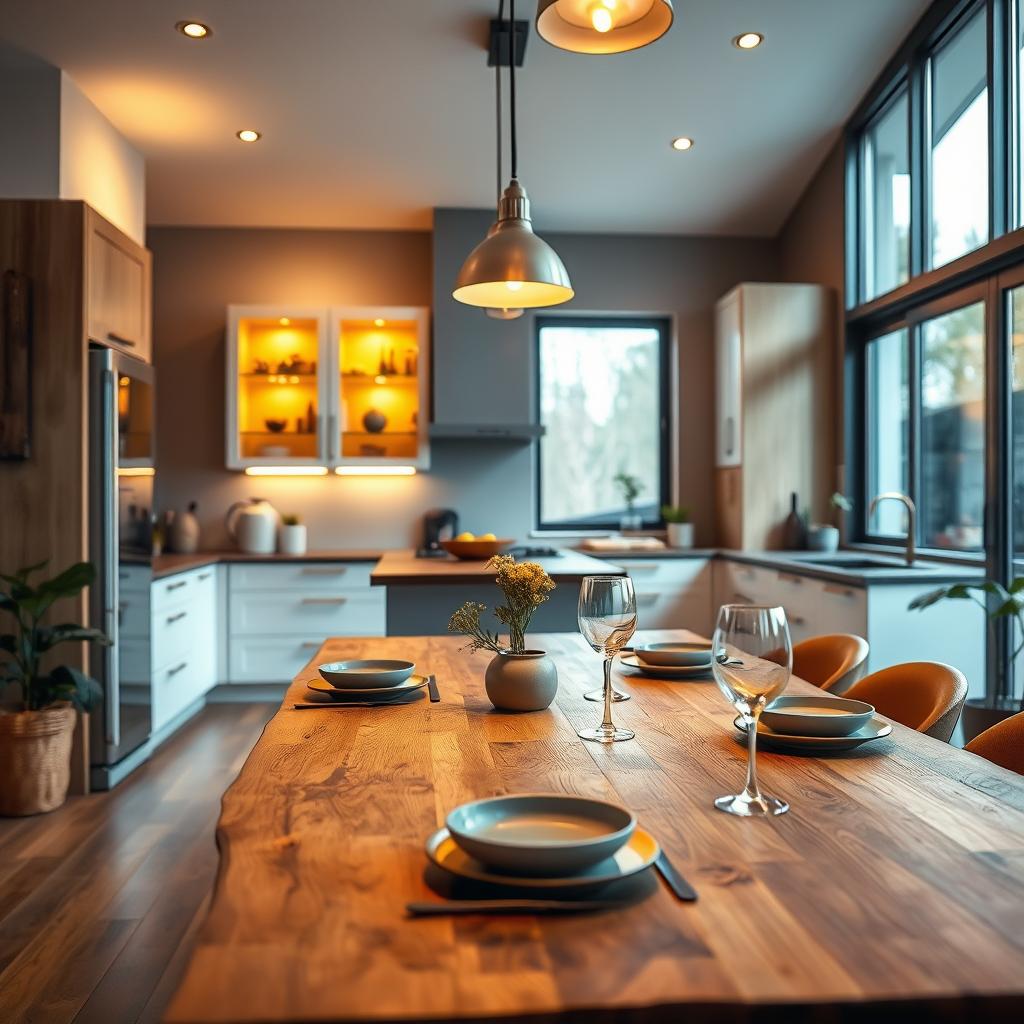
Lighting is one of the quickest ways to boost comfort, cut energy, and highlight design. We recommend a layered plan so each part of the room supports tasks and mood.
LED bulbs and ENERGY STAR fixtures
LED bulbs significantly cut electricity use and outlast incandescents by years. Specify ENERGY STAR fixtures where possible to ensure consistent color rendering and long life.
Daylighting strategies
Skylights and tubular daylighting systems lower daytime lighting loads and improve perceived air quality. Thoughtful window placement and light shelves bounce daylight deeper into the space.
- Start with ambient, task, and accent layers so the room works day and night.
- Use dimming and scene control to tune levels without losing efficiency.
- Place under‑cabinet task lights to remove shadows at prep areas.
- Coordinate finishes and lens materials with your hardware for a unified look.
- Validate task brightness with a simple lux check to avoid over‑lighting.
Browse layered lighting ideas that match your cabinet and surface selections at layered lighting ideas.
Water and Air: Healthier Kitchens with Lower Utility Use
Smart water fixtures and proper ventilation make the room cleaner and reduce utility demand fast. Choose fixtures and finishes that perform well while protecting indoor air and the environment.
WaterSense fixtures and efficient appliances
Choose WaterSense faucets rated at 1.5 gpm or less to save water without losing rinsing power. Pair them with efficient dishwashers to cut both water and energy use over time.
Healthier cabinet and finish specs
Specify solid wood boxes or formaldehyde‑free cores to limit off‑gassing and improve indoor air quality. Seal and finish with low‑VOC paints and sealants to reduce odors during and after installation.
Ventilation best practices
Right‑size range hoods and vent to the exterior to capture moisture and cooking byproducts effectively. Maintain makeup air when using high‑capture ventilation so pressure stays balanced and the home breathes properly.
- Choose WaterSense faucets at 1.5 gpm or less for reliable performance and lower water use.
- Use low‑VOC finishes and solid wood or formaldehyde‑free cores to protect indoor air.
- Combine daylight, filtration, and venting for a fresh, health‑first space with less chemical cleaning.
For low‑flow fixtures and healthy material specs alongside design inspiration, explore our planning resources at budget‑friendly fixtures and ideas.
Windows, Insulation, and Renewable Add‑Ons for Year‑Round Efficiency
Upgrading the building envelope is one of the smartest ways to make your space more comfortable year‑round. We focus on simple fixes that improve comfort, reduce bills, and let appliances and lighting run more efficiently.
Better openings and insulation
Upgrade to ENERGY STAR windows to curb heat loss and gain; they can lower energy bills by about 12% nationwide and make workstations and breakfast nooks more pleasant.
Add weatherstripping and air sealing around frames to cut drafts. Insulate with cellulose or recycled denim to stabilize temperatures and reduce HVAC cycling.
Renewables and smart systems
Consider solar panels or solar water heating to offset electricity and hot water loads. Smart electrification prepares the space for induction and efficient appliances while reducing overall energy use.
- Use skylights strategically to bring daylight deeper into the kitchen without glare.
- Plan trim, stool, and casing profiles to match cabinetry and countertops so window updates feel integrated.
- Consider thermal treatments to manage daylight and heat gain near cooking zones.
Tip: Coordinate window styles, finishes, and lighting with your material palette using resources at https://zovehomes.com/kitchen/ to make envelope upgrades look and perform like part of the original design.
Budget, Costs, and ROI: Smart Choices That Pay You Back
C knowing where dollars deliver the biggest return makes planning easier and less stressful. We map costs so you can focus on upgrades that reduce bills and improve daily life in your kitchen and home.
Balancing upfront spend with long‑term savings
Prioritize the envelope, efficient lighting, and energy‑efficient appliances first. These items have the biggest effect on utility use and overall ROI.
- Compare lifecycle costs for major appliances and finishes so you know total spend, not just the sticker price.
- Consider recycled glass countertops—often 50–75% less than granite or quartz—to free funds for cabinets or lighting.
- Model water savings: WaterSense fixtures at 1.5 gpm and efficient dishwashers help you use less water and energy.
- Choose durable materials that need fewer replacements to reduce future disruption and long‑term costs.
- Plan contingencies for hidden issues like electrical capacity or subfloor work so your value choices hold through installation.
Weigh design ambition against practical options that deliver measurable impact now and room to upgrade later. Use our budgeting tools at https://zovehomes.com/kitchen/ to compare line items, projected savings, and product options so every choice supports efficiency and lasting value.
Conclusion
A well-planned outcome balances style, energy savings, and healthier indoor air for years to come.
Focus on durable choices—bamboo and reclaimed wood, low‑VOC finishes, and recycled glass countertops—to cut costs and maintenance while improving the look and function of your space.
Target envelope and lighting upgrades first to capture the biggest energy gains (up to 30%) and the benefit of ENERGY STAR windows (~12% savings). Combine efficient appliances and right‑sized ventilation to protect indoor air quality during daily use.
Ready to create your sustainable kitchen? Explore ideas and materials, or book a consultation at Zove Homes. For recycled choices, see our recycled materials page.


