

I still remember the first time I stood in a remodel site and felt the weight of choices—every finish and material seemed to carry a future. We built this guide from that moment, to help homeowners make decisions that feel right long after the project is done.
Today, selecting sustainable cabinet materials is a high-impact way to improve your home. We explain practical options like fast‑renewing bamboo, reclaimed wood, and FSC‑certified wood. You’ll learn how materials, construction, and finishes affect durability, moisture resistance, and daily living.
Throughout, we separate marketing from measurable standards and point to certifications and practices you can trust. For real-world examples of how these principles look in modern design, explore our projects and ideas at kitchen decor ideas and see modern kitchen solutions at Zove Homes. If you want deeper sourcing details, check options at Conestoga Wood.
We aim to make your next renovation both beautiful and high quality, so you can invest wisely in materials and finishes that last.
Key Takeaways
- Start with durable materials: bamboo, reclaimed wood, or FSC‑certified species.
- Look for third‑party certifications to verify sustainability claims.
- Prioritize construction and finishes that boost longevity and moisture resistance.
- Compare engineered cores with recycled content for cost and performance balance.
- Use our checklists and vendor questions to confirm quality before purchase.
- See design examples and book a consultation at Zove Homes for modern solutions.
Start Here: What “Eco‑Friendly” Means for Today’s Kitchen Buyers
When buyers ask what “eco‑friendly” really means, we start by looking at indoor air and long‑term performance. The EPA notes indoor air can be 2–5 times more polluted than outdoors, often because of common building products.
Non‑toxic cabinet options avoid formaldehyde adhesives and high‑VOC finishes that cause off‑gassing. That focus improves indoor air quality and protects human health in daily use.
- Health first: Choose low‑emitting finishes and tested products to limit exposure to volatile organic compounds.
- Materials used: Prioritize renewability, verified sourcing, and durability so a cabinet lasts years.
- Measurable claims: For commercial buyers, insist on testing thresholds and third‑party standards.
Environment and performance can coexist. We help translate labels into verifiable data, and we are available for tailored guidance at our consultation page. For design details and related ideas, see our stunning backsplash ideas.
eco friendly kitchen cabinets: materials that matter
Material choice is where design goals meet real-world durability and indoor-air concerns. We explain the trade-offs so you can match looks with performance and sourcing transparency.
Bamboo: A rapidly renewable resource that matures in 3–5 years. It offers hardwood-level durability and notable moisture resistance, making it a strong pick for modern cabinet fronts and panels.
Reclaimed wood: Holds character and lowers demand for virgin wood. Expect variation in patina and grain; it’s ideal when you want a unique story and reduced forest impact.
FSC-certified solid wood and plywood: These materials give verified chain-of-custody, supporting biodiversity and community rights while offering a wide style palette for long-lasting cabinet builds.
- Formaldehyde-free MDF/engineered panels: Lower emissions with smooth, paint-ready faces and stable cores.
- Engineered with recycled content: Cost-effective, dimensionally stable options that reduce waste.
- Innovative composites: Panels from agricultural waste, recycled plastics, or plant-based resins expand textures and reduce landfill streams. For related flooring and product choices, see our guide on eco-friendly flooring materials.
We evaluate each material by machining behavior, finish compatibility, and lifecycle maintenance. In showrooms, ask vendors for source documentation and recycled-content verification so your final cabinet selection performs and endures.
Finishes, adhesives, and indoor air quality
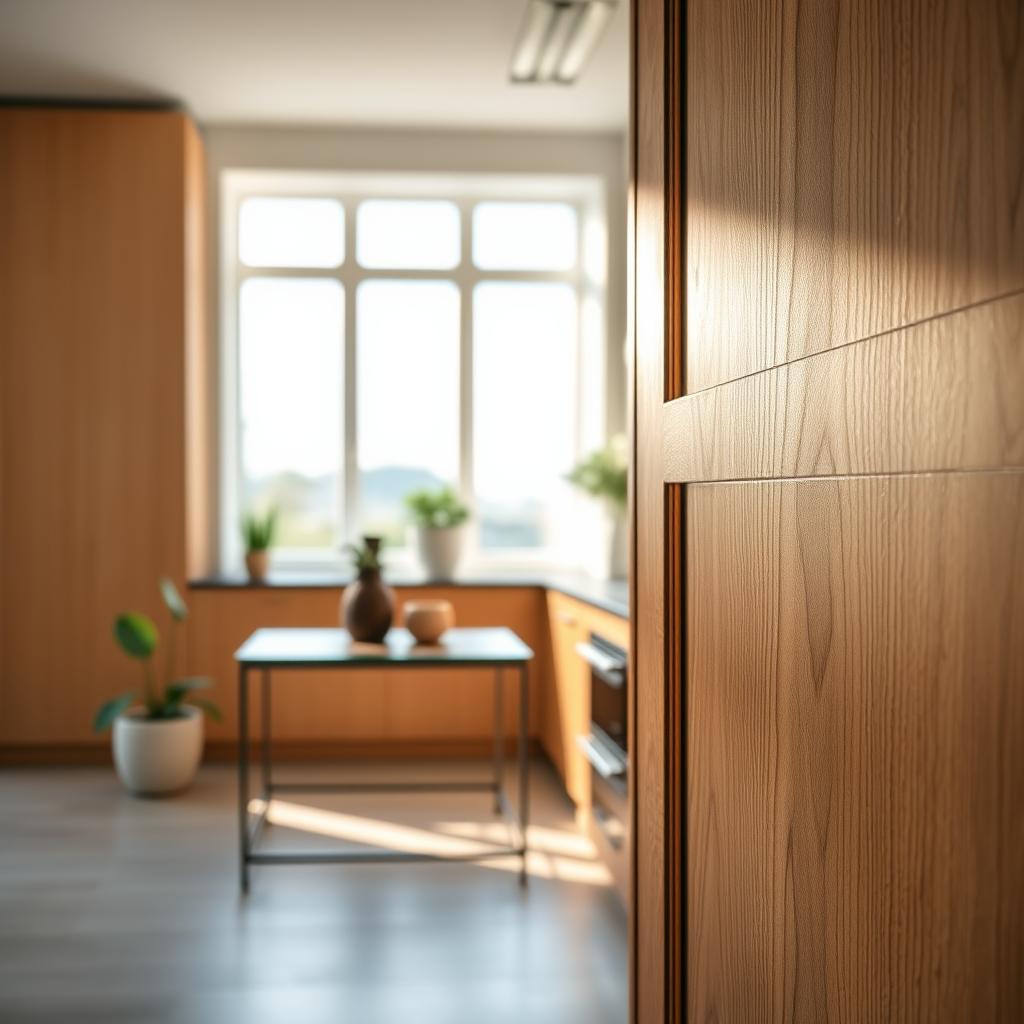
What you coat and bond will often determine how healthy a home feels long after a remodel. We translate lab thresholds into simple specs so you can choose systems that protect people and preserve looks.
Low‑ or no‑VOC, water‑based, and plant‑based finishes
Water-based finishes cut VOCs and dry fast with little odor. They keep color clarity and hold up on lighter woods and modern palettes.
Natural oils and plant-based waxes give warm, tactile surfaces. They reduce exposure to harsh chemicals while still offering durability.
Nontoxic adhesives and sealants
We specify adhesives and sealants that meet E0–E1 or CARB Phase 2 limits. That reduces formaldehyde and long-term emissions from the cabinet box and components.
Understanding VOCs, formaldehyde, and thresholds
Solvent-heavy systems can off-gas for years. Look for UL GREENGUARD or verified test data to confirm low emissions and better indoor air quality.
- Low-VOC water-based finishes for fewer emissions and fast drying.
- Plant-based oils/waxes for tactile, lower-chemical surfaces.
- Verified substrates (E0/E1, CARB Phase 2) to limit formaldehyde exposure.
We balance look and performance by pairing water-based topcoats with robust primers for high-use areas. For a curated palette and product guidance, contact us at Zove Homes kitchen or explore our half-bath design ideas.
Certifications that validate sustainability and air quality claims
Clear, third‑party marks turn manufacturer statements into verifiable proof you can rely on when choosing cabinets and materials.
FSC: responsible wood sourcing
We look for FSC on wood components to confirm responsible forest management and chain‑of‑custody. This protects biodiversity and provides a traceable paper trail.
Ask sellers for the current FSC certificate and the SKU or product line it covers. That ensures the exact cabinet finishes and substrates are included.
UL GREENGUARD: verified low emissions
UL GREENGUARD tests products for low chemical emissions that affect indoor air. That gives a direct benefit to occupant health and long‑term air quality.
Request laboratory reports or scope statements showing the finishes and panels tested for the specific cabinet lines you plan to buy.
KCMA ESP, Cradle to Cradle, and SCS
KCMA ESP signals manufacturer commitments to energy use, waste, and materials stewardship. Cradle to Cradle rates material health, circularity, and renewable energy use.
SCS Global Services adds verification for recycled content and Indoor Advantage air credentials, strengthening your documentation package.
- Practical tip: For submittals, request current certificates, scope statements, and lab reports for the exact products and finishes.
- Layering works: Pair FSC wood with GREENGUARD finishes and ESP manufacturing for compounded sustainability gains and measurable quality improvements.
For help reviewing submittals and confirming coverage, visit Zove Homes or send us the documents. We translate these marks into real outcomes: healthier interiors, lower environmental impact, and lasting cabinet quality.
Behind the build: manufacturing practices, design longevity, and sourcing
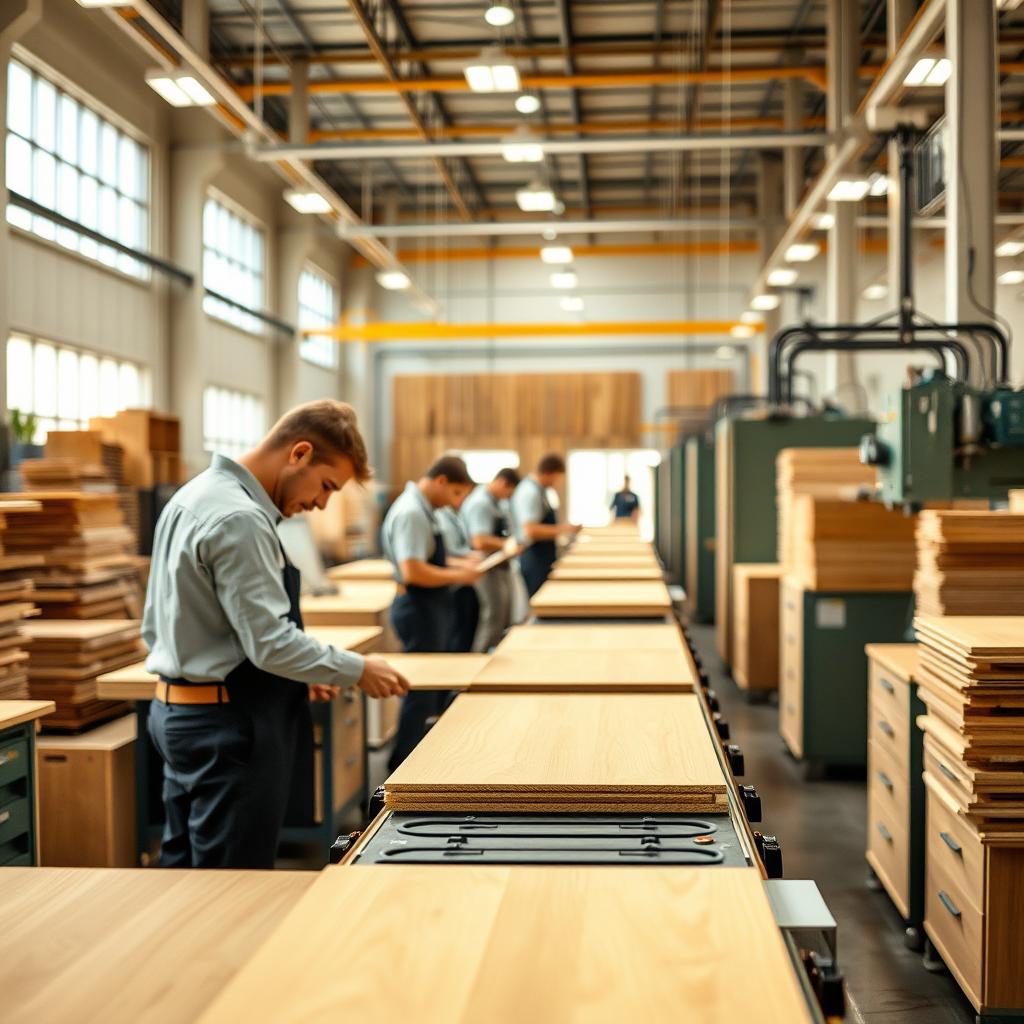
We trace a cabinet from raw board to finished room to show how manufacturing choices shape long-term performance. These production steps affect energy use, waste streams, and the final quality you live with every day.
Cleaner production: renewable energy, air filtration, and low‑emission processes
We evaluate shops for cleaner energy profiles — onsite solar, renewable credits, and upgraded air filtration that cuts particulate emissions during finishing. Low‑emission adhesives and controlled coating booths reduce indoor-impact risks before a product leaves the plant.
Precision and waste reduction: CNC optimization, recycling, and prefabrication
Precision CNC and intelligent nesting shrink off‑cuts and stabilize fit. Recycling sawdust and off‑cuts into secondary products or fuel keeps waste out of landfills.
Prefabrication speeds install, lowers on‑site waste, and improves repeatable quality, which clients notice in both schedule and final finish.
Design for life: modularity, efficient storage, durable hardware and joinery
Design matters for longevity. Modular layouts, efficient storage accessories, dovetail joinery, sturdy hinges, and full‑extension glides extend usage and reduce replacement cycles.
Life Cycle Assessment and local sourcing to cut carbon footprint
We request LCAs where available to compare energy, emissions, waste, and resource depletion across product lines. Local sourcing trims transport impact, supports regional firms, and often shortens lead times.
- Evaluate plant energy and emissions controls
- Prioritize CNC yield and recycling practices
- Choose modular, serviceable design and durable joinery
- Request LCAs and favor local materials and makers
We’ll map decisions that lower footprint without sacrificing performance. Get a build plan aligned to your goals at Zove Homes kitchen and see ideas for reusing materials at reusing old materials in remodels.
How to buy smarter today + CTA
Good choices come from simple questions and verified evidence, not glossy brochures. We help homeowners turn complex specs into clear actions so you buy with confidence.
Your buyer’s checklist: materials, finishes, emissions, certifications, and warranties
Start by confirming the materials used: bamboo, FSC wood, or formaldehyde-free MDF/HDF. Ask for documented thresholds such as CARB Phase 2 and E0–E1 to limit emissions and protect indoor air quality.
- Finishes: Request UL GREENGUARD reports and prefer low-/no-VOC, water-based topcoats.
- Certification packet: Seek FSC, KCMA ESP, and Cradle to Cradle/SCS documentation for proven claims.
- Construction details: Check dovetail drawer boxes, full-extension soft-close glides, durable hinges, and edge treatments for lasting quality.
- Adhesives & MSDS: Validate nontoxic glue and sealant tech sheets to protect health and indoor air.
- Warranties: Compare service, parts availability, and coverage alongside price and options.
Explore options and request a consultation at Zove Homes
Ready to move forward? Explore options, view project photos, and request a consultation so we can spec and quote your cabinet package. For a recent example and layout ideas, see our Kirkland remodel.
Conclusion
A smart purchase reduces waste over years while delivering consistent fit and finish. Pair responsibly sourced wood, reclaimed wood accents, or bamboo with proven low‑emission finishes to cut environmental impact and improve air quality at home.
Choose products with FSC, GREENGUARD, or Cradle to Cradle marks and favor manufacturing that uses renewable energy, CNC optimization, and local sourcing. These practices trim waste, lower emissions, and raise long‑term durability.
Use our checklists to verify emissions data, material sourcing, and warranties. When you’re ready, start a plan with us at Zove Homes kitchen for a clear path to sustainable materials and confident installation. For market context and recycled‑content ideas, see this market outlook and our guide on recycled materials.


