
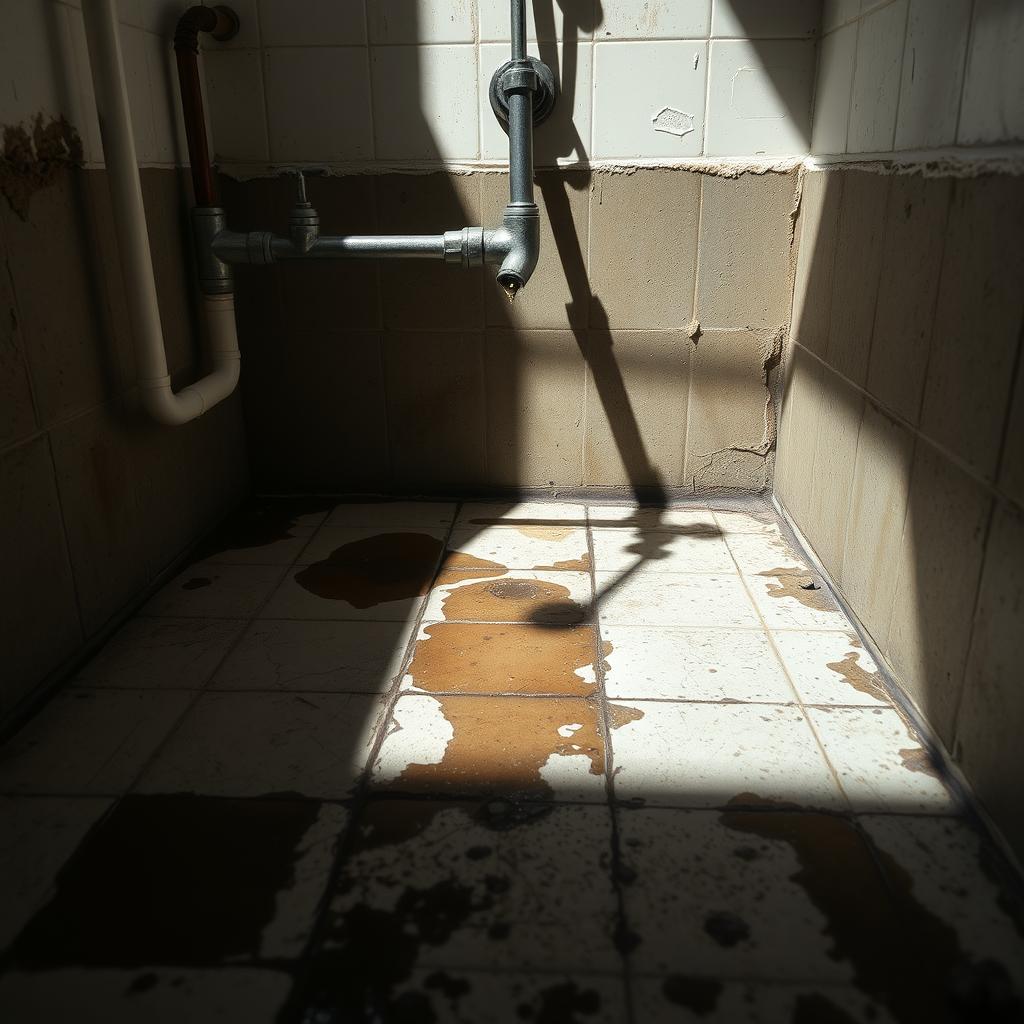
Leaving a performance layer out of your bathroom remodel invites trouble. Water will find weak spots, undermining finishes, fixtures, and structural framing beneath floors and walls.
We guide homeowners through modern, high-quality solutions that pair design with protection. Based on data from industry inspections—where wet basements and mold risks are common—this step saves long-term repair costs and preserves property value.
From interior sealants and drainage to exterior membranes and coatings, robust systems cost more up front but cut future expenses. Explore practical options and expert planning with us at Zove Homes – bathroom services, or review common pitfalls in small remodels here.
We’ll explain what’s at stake, early warning signs to watch for, and best practices that balance quality and longevity. Ready to protect your investment? Book a consultation at https://zovehomes.com/bathroom/.
Key Takeaways
- Moisture can damage finishes and structure; prevention preserves value.
- Protection is a performance layer as important as tile or cabinetry.
- Robust systems reduce long-term repair costs versus temporary coatings.
- Data shows widespread wet-basement and mold risk across U.S. homes.
- Plan waterproofing into your project scope and book expert help early.
What’s at Stake When You Skip Waterproofing
Moisture left unchecked can start small and finish with structural repairs you never expected.
About 60% of U.S. homes report wet basements and roughly 38% face basement mold risk. That makes basements a common entry point for water that then moves into upper levels.
- Moisture soaks porous concrete and backer-board, migrating behind finishes and creating pressure cycles that drive cracks in the foundation.
- Missing or failed membranes and unsealed transitions allow water to choose the easiest path, accelerating issues in walls and framing.
- Hydrostatic pressure can force water through floors, producing staining, soft drywall, and hidden water damage above basements.
Health, safety, and value: Damp environments breed mold and mildew that harm air quality and trigger costly remediation. Buyers spot musty odors, efflorescence, and patched drywall—red flags that reduce property value and extend market time.
If you suspect early signs, get ahead of the problem. Learn practical options and prioritize proper interior and exterior assemblies at our bathroom page.
skipping waterproofing why it’s a big mistake
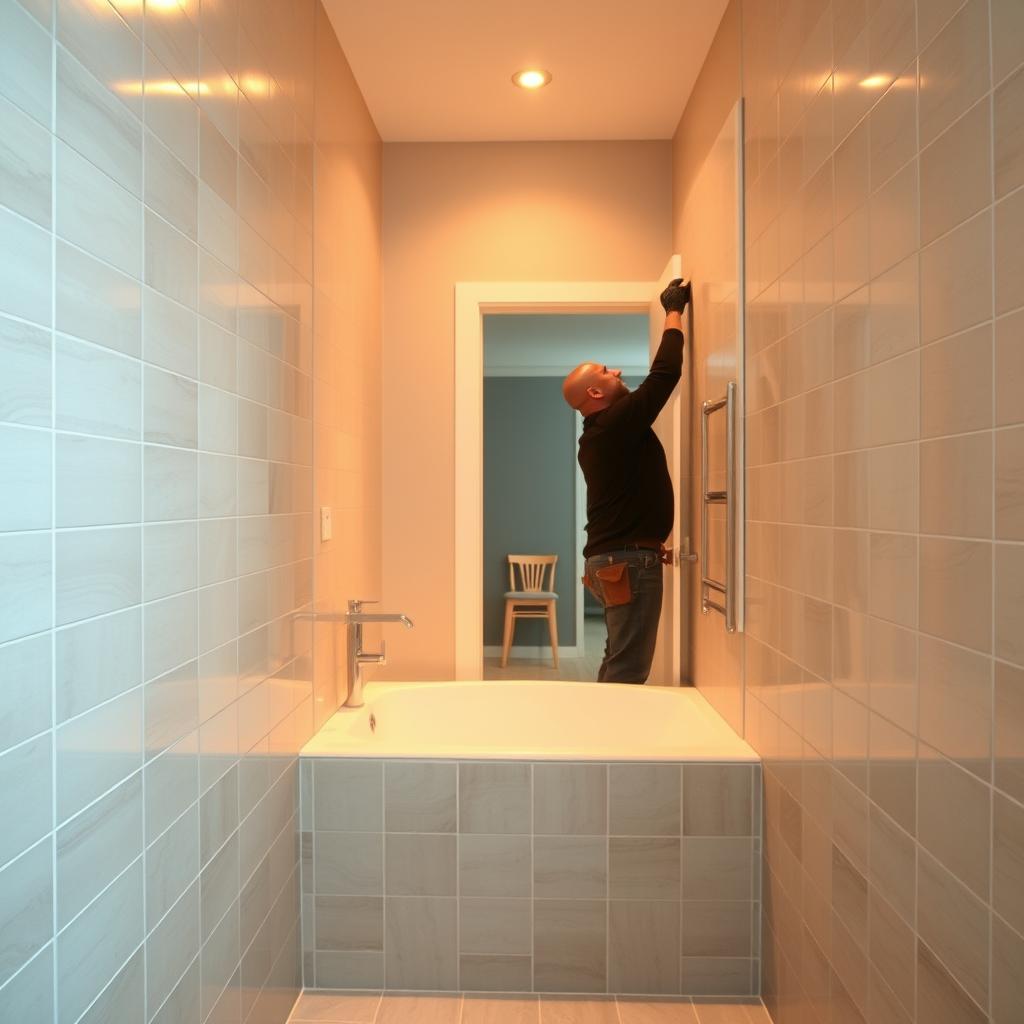
Surface finishes do not stop hidden leaks; the underlying system must do that work.
Assuming the project ends with tile and grout is one of the top mistakes we see. Porous backer board or grout cannot resist constant wetting. This leads to slow failure, hidden mold, and costly repairs.
- The process goes beyond surface work: substrate prep, compatible layers, and correct curing matter.
- Homeowners who chase quick fixes to save money often pay more later for tear-outs and remediation.
- Small defects — an unsealed niche or missed corner — turn into persistent leaks without a complete system.
We recommend design reviews and specifying a tested waterproofing solution matched to your home and ventilation plan.
Explore options and book an expert review at https://zovehomes.com/bathroom/ so your investment serves your house for years, not months.
Early Warning Signs of Water Damage You Can’t Ignore
Small changes on walls or floors are often the first clues of hidden water damage. Catching these signs early prevents larger repairs and mold growth.
Bathroom red flags: Puffy paint, blistering finishes, and soft drywall near fixtures or baseboards point to moisture behind walls and surfaces. Discoloration along grout lines or tiles can mean the substrate is saturated before visible leaks appear.
Basement clues
In the basement, watch for pooling, rust streaks on metal, and small cracks that widen with seasons. These often come from pressure against concrete and can lead to serious water damage if ignored.
Hidden moisture indicators
Look for efflorescence on masonry, cold spots on floors or walls, and recurring foggy mirrors or sticky doors. Musty odors, visible mold or mildew behind vanities, and dripping vents signal persistent interior humidity and ventilation problems.
- Document locations and timing (after rain or shower use).
- Note recurring issues and photograph them for an expert review.
- Request a professional assessment—start with our DIY bathroom moisture checklist or book an evaluation at https://zovehomes.com/bathroom/.
Top Waterproofing Mistakes That Lead to Costly Failures—and How to Avoid Them
Minor oversight in drainage or materials can trigger major repair work later. We see the same problems on many projects, and each one is preventable with simple checks and sensible products.
- Hairline foundation cracks: Inspect regularly. Clean loose concrete and use epoxy for static cracks or expanding foam for active movement to protect basement walls and finishes.
- Ventilation and humidity: Ensure exhaust fans duct outdoors and add a dehumidifier for basements. Proper air movement protects interior assemblies and reduces mold risk.
- Gutters, downspouts, grading: Clean gutters twice yearly, add guards, extend downspouts 6 feet, and grade soil to drop 6 inches over 10 feet to direct water away from the foundation.
- Don’t rush DIY: Diagnose the moisture source before using interior coatings; exterior pressure and poor drainage often drive recurring leaks.
- Materials and surface prep: Choose compatible, high-quality products, clean and prime surfaces, and follow manufacturer curing guidelines to avoid early failure.
If problems are complex, bring in experienced contractors to design long-term solutions and stop repeat repair cycles. For tailored guidance and proven solutions, book a consultation at Zove Homes.
Proven Techniques, Systems, and ROI for Modern Projects
Durable systems pair interior sealants with exterior barriers to keep water out and peace of mind in.
We recommend planning both sides of the assembly so your finishes last and your investment holds value.
Interior defenses: sealants, membranes, and managed drainage
Interior control manages water that makes its way inside. Use continuous liquid or sheet membrane, sealed transitions, and an interior drainage channel tied to a sump.
This lowers hydrostatic pressure and protects tile, backer, and adjacent basement spaces.
Exterior protection: coatings, membranes, and drainage
Stopping water at the source is most effective. Where needed, excavate, apply a continuous membrane, add a protective board, then install perimeter drainage and restore grading.
French drains and properly sloped soil direct water away from foundation and reduce long-term risk to the basement.
Materials that last and proper curing
Choose compatible products and follow manufacturers’ prep and curing guidelines. Liquid membranes conform to corners; sheet membranes give uniform thickness.
For concrete and masonry, include capillary breaks and weeps so moisture cannot collect at the slab or wall base.
Costs, consequences, and long-term value
Typical projects range from $1,500–$5,000, with extensive excavation up to $10,000+. Spending money up front prevents repeat tear-outs and lost value.
- Lower remediation risk
- Longer finish life and better indoor air quality
- Higher buyer confidence at resale
Plan a complete waterproofing system and validate installation with site inspections. For tailored guidance, book a review at https://zovehomes.com/bathroom/.
Make Your Bathroom Remodel Last: Get Expert Waterproofing Help
A thoughtful scope and vetted assemblies keep your project on schedule and your home dry.
Start by defining the full project scope so showers, tubs, niches, benches, floors, and adjacent walls form one continuous defense. Professionals assess moisture entry points and design interior and exterior solutions that match your house construction and climate.
Plan your project: scope bathrooms, wet areas, and adjacent walls and surfaces
We map every wet area and link assemblies so membranes, terminations, and transitions run uninterrupted. This reduces rework and saves time during finishes.
Integrate drainage and ventilation for a complete moisture control system
Our solutions include proper slopes to drains, weeps, sump pumps, and ventilation that vents outdoors. If a basement sits under the bathroom, we handle both spaces together to manage water from floor to foundation.
See expert tips and book a consultation
- Tested assemblies and milestone site checks to verify quality before finishes go in.
- Coordination with contractors and trades so penetrations and laps are done right the first time.
- Warranties and budgets aligned to your property goals and house value.
Protect your bathroom now—schedule a consultation and tailored solution at Zove Homes bathroom. For quick guidance, review common DIY bathroom remodel mistakes at common DIY bathroom remodel mistakes.
Conclusion
Protecting your remodel starts with clear choices that stop water before it reaches walls and framing.
Without robust waterproofing, water finds weak paths into basements and interior finishes, leading to progressive damage and costly repair. Small leaks and subtle moisture often grow into mold, compromised foundation interfaces, and surface failure.
Interior and exterior strategies, paired with the right membrane and detailing, stop water damage at the source and stabilize basements over the long term. For homeowners focused on value, the best money is spent preventing repeat work.
If you’ve seen warning signs or are planning a remodel, act now. Learn more and schedule expert help so your house stays dry and valuable: https://zovehomes.com/bathroom/.


