
We set the stage with clear guidance about the three key water systems in your home: the pressurized supply, the gravity drain, and the vent network. I explain why each system behaves differently and why that matters for fixture layout and routing.
The supply line carries clean water, often in copper or PEX. The drain relies on gravity and needs a quarter-inch slope per foot. Venting keeps traps sealed and blocks sewer gas.
We name common materials—copper, PEX, PVC, ABS—and note when cast iron makes sense for noise control. You’ll learn about shutoff valves, cleanouts at stacks and direction changes, and the value of proper pipe support and insulation.
Ready for a confident remodel? Read more expert bathroom guidance on our main bathroom page and review common pitfalls in remodels at common mistakes in small bathroom remodels. For tailored advice, schedule a consultation today at our bathroom design page.
Key Takeaways
- Recognize the three core water systems: supply, drain, vent.
- Use copper or PEX for supply and PVC/ABS for drains.
- Maintain a 1/4″ per foot drain slope and add cleanouts.
- Plan vents early to protect trap seals and avoid odors.
- Install shutoff valves and insulate pipes for reliability.
Plumbing basics every homeowner should know before a bathroom upgrade
A home’s pressurized supply delivers water across multiple fixtures and sets the baseline for a confident remodel. Consistent water pressure keeps showers and faucets performing well when several fixtures run at once. Individual shutoff valves let you service a sink or toilet without disrupting the entire house.
Drainage relies on gravity and a correct slope. A one-quarter inch per foot fall keeps waste moving while preventing solids from outrunning flow. Place cleanouts at stack bases, exits, and direction changes so clogs get cleared quickly and maintenance stays local.
Vents admit air into the drain system, protecting trap seals and stopping sewer gases from entering living spaces. Proper vent sizing and proximity to fixtures is a code-driven detail that preserves function and indoor air quality.
- Materials matter: copper offers durability and antimicrobial benefits; PEX gives flexibility and freeze resistance.
- Drain choices: PVC is versatile; ABS adds impact resistance; cast iron still wins for quiet vertical stacks in multi-story homes.
- Support and layout: anchor pipes at code intervals to prevent sagging, reduce noise, and extend joint life.
Plan your remodel to prevent leaks, low water pressure, and costly repairs
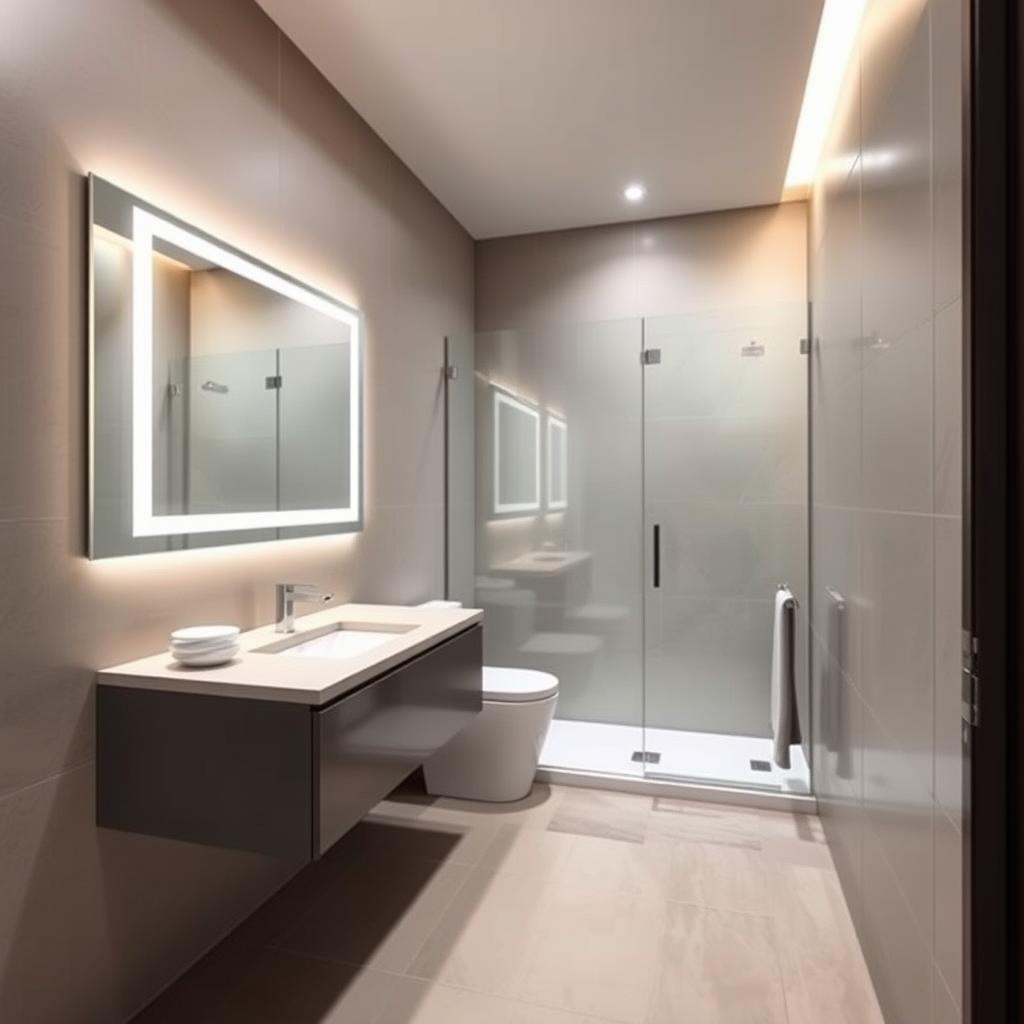
Plan plumbing paths that shorten runs and keep hot water moving quickly to fixtures. Grouping wet walls and stacking baths across floors reduces pipe length, cuts heat loss, and improves shower pressure. Direct routing from the water heater speeds delivery and lowers wait time.
We build future-ready systems with capped stubs, accessible shutoffs, and access panels behind mixers and valves. This approach makes service and expansion simple and keeps maintenance quick and local.
- Group bathrooms and wet walls to shorten runs and protect pressure.
- Insulate hot lines from the heater to reduce heat loss and energy use.
- Place cleanouts and supports at turns and transitions for easy upkeep.
- Specify durable fixtures and quality valves that lower long-term maintenance.
Balance design with technical needs so your layout avoids pressure drops and costly repairs later. For examples of efficient layouts and curated fixture lists, see our efficient bathroom layouts and start your plan with us at https://zovehomes.com/bathroom/. For remodel sequencing and specification, review the best approach at best way to remodel a bathroom.
How to avoid poor plumbing decisions during renovations
https://www.youtube.com/watch?v=Dg56chdr-FQ
Renovations raise risks when basic lines and vents get moved without a clear plan. We’ll walk through the common traps that turn a tidy remodel into costly repairs and lasting system problems.
Know your DIY limits: tools, permits, and when to pause before you cut
Cutting into walls without a shutoff plan or permits multiplies repairs and delays timelines. If you’re unsure whether a step needs a permit or special tools, start with us at https://zovehomes.com/bathroom/.
Material mistakes to skip: mismatched fittings, cheap fixtures, and improper transitions
Incorrect transitions between copper, PEX, PVC, and ABS cause leaks or failures. Use the right couplings and quality valves; bargain fixtures often wear fast and invite damage.
Don’t move the toilet soil pipe without a plan for drain, vent, and water supply
Moving a toilet forces rework of the drain slope, vent proximity, and water line routing. Expect floor or wall openings and verify trap venting before you commit.
Venting and slope errors: the hidden causes of backups, odors, and water damage
- Set correct drain slope so liquids and solids travel together.
- Protect pressure by minimizing elbows and keeping pipe diameters correct.
- Place shutoff valves for isolated repairs and clear documentation of plumbing work.
For a checklist of common mistakes, see common plumbing mistakes, and call us before opening floors for a quick feasibility check.
Proactive maintenance tips that save water, money, and time today
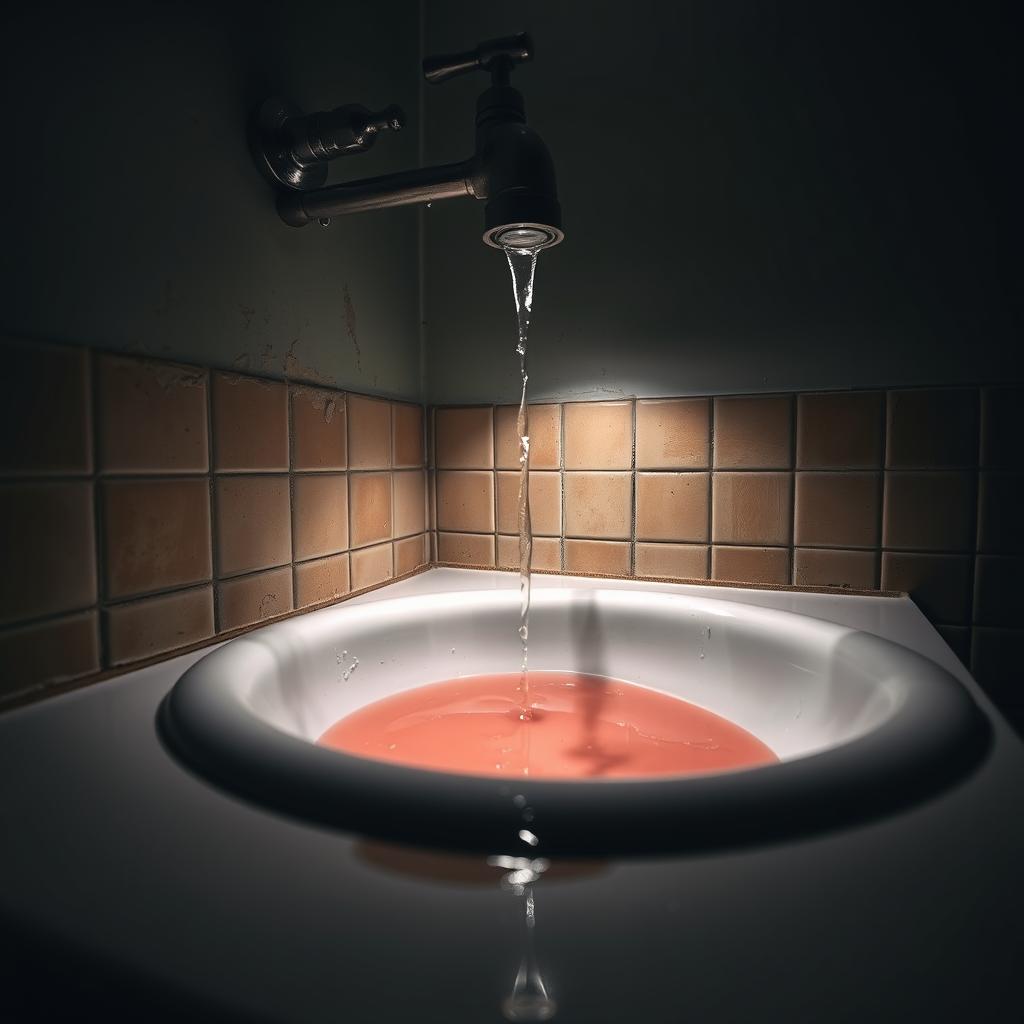
A quick meter check and a visual scan under sinks often reveal leaks before they become emergencies. Hidden leaks show as a moving water meter with all fixtures off, sudden bill spikes, or stains and mold near cabinets.
Find and fix leaks fast
Use your meter, monitor utility bills, and look for damp spots around bases and flooring. Test shutoffs and trace supply lines for seepage. Early leak repair prevents water damage and saves money.
Simple habits that keep systems healthy
Clean drains with baking soda, vinegar, then hot water. Install strainers and clear hair weekly. Remove and rinse faucet aerators annually for better flow and fewer clogs.
- Set your water heater to about 120°F to save energy and reduce scaling.
- Locate and test the main shutoff so you can stop a leak quickly and limit damage.
- Adopt an annual inspection rhythm to catch small issues before they cost money.
For a maintenance checklist and preferred products for modern bathrooms, visit water-saving fixtures and faucets and book a service-focused consult at our bathroom page.
DIY vs. professional plumber: choosing the right service for your needs
Choosing between a weekend repair and a licensed trade partner comes down to risk, complexity, and permit requirements. Small fixture swaps, aerator cleaning, and drain strainers are weekend tasks that save money and time.
When to call a professional plumber: main lines, code-heavy work, and persistent issues
Call a professional plumber for main sewer lines, gas connections, or any work tied to permits. A licensed pro brings diagnostics, pressure testing, and ensures the system meets code. They provide clear estimates and reduce future problems.
- Thresholds: main lines, vent redesigns, and permit work require the pro.
- Persistent problems: repeated clogs or ongoing low pressure signal deeper issues needing tools and expert repairs.
- Hybrid approach: you handle cosmetic steps while the plumber completes pressure-tested rough-ins and final connections.
When in doubt, start with us at https://zovehomes.com/bathroom/ for a scoped plan that balances DIY tasks with reliable plumbing services. Preparing the space and identifying shutoffs saves both time and service costs.
Conclusion
Good pipe routing and accessible shutoffs protect your home from hidden water damage. Follow the basics: a 1/4″ per foot drain slope, proper venting for trap seals, and material-appropriate transitions that prevent leaks and long-term problems.
Anchor supply lines, add cleanouts at stacks and turns, and insulate hot lines. Set your water heater near 120°F and document plumbing work so future service is faster and clearer.
You now have practical steps to spot leaks, fix low water symptoms, and keep strong flow at faucets and fixtures. When you’re ready, review our guides and request a consultation at our bathroom page, and check common DIY remodel mistakes at common DIY bathroom remodel mistakes.


