
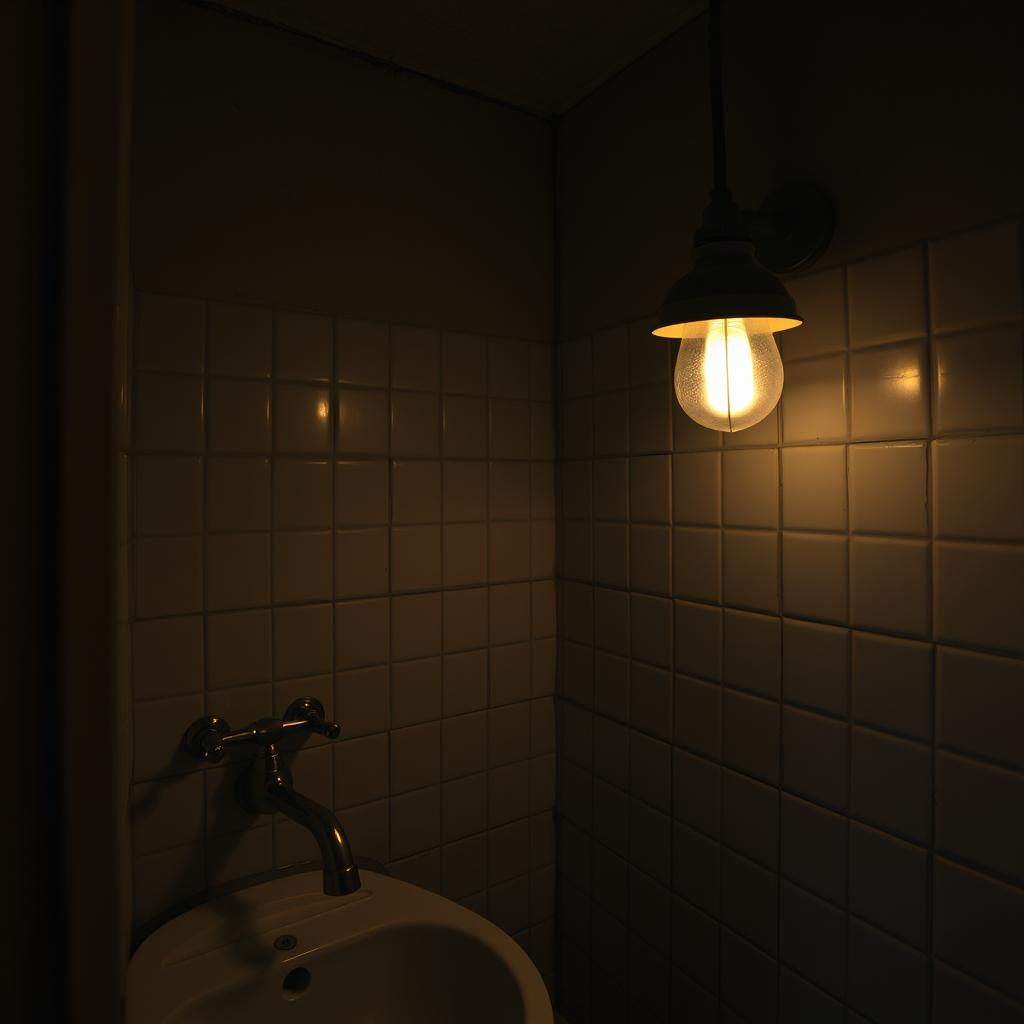
We know renovations tempt homeowners to find the quickest, least expensive way to update a wet room. A short-term idea can save money today but cost more in repairs later.
Our experience shows that licenses, proper plumbing, and good ventilation protect safety and resale value. Contractors bring permits, tools, and warranty-backed work. DIY without trade experience often leads to fines and rework.
Reusing materials and sourcing recycled items from places like Habitat for Humanity ReStore can lower costs without hurting results. Yet some shortcuts — like an adhesive mat instead of mortar for tile — can add unexpected time and effort.
We’ll translate trade choices into plain language and point you to practical next steps. For inspiration and professional guidance, visit our bathroom resource. For remodeling process tips see best remodeling practices and common pitfalls at small remodel mistakes.
Key Takeaways
- Prioritize code-compliant plumbing, ventilation, and layered lighting for longevity.
- Reused or recycled pieces can be smart savings when chosen carefully.
- Contractors reduce risk by handling permits and warranties.
- Some quick fixes add more time and cost than they save.
- We’ll help you balance design, durability, and budget for the best outcome.
Budget Pressures vs. Long-Term Value in a Bathroom Renovation
https://www.youtube.com/watch?v=R7qnoR2625I
Budget pressure often forces homeowners to choose lower-cost parts and faster timelines during a renovation. We guide you to weigh immediate savings against how systems perform over years. Good decisions protect your home and reduce surprise costs later.
What reduced-quality parts mean for performance and lifespan
Lower-grade internal components often wear faster and hide leaks until adjacent materials are damaged. Cheap valves and cartridges save a small amount now but tend to increase maintenance and replacement costs.
When saving makes sense — and when it backfires
Smart savings include reusing a sturdy vanity or sourcing lightly used materials from a ReStore. Risky shortcuts—like skipping proper mortar or ignoring permit-required work—create delays, fines, and extended repair time.
- Spend where warranties and code matter: plumbing, ventilation, and professional installation.
- Save by reusing durable items or buying lightly used high-end pieces.
- Plan a contingency amount to avoid forced, poor choices if hidden issues appear.
Pros and Cons of Cutting Corners on Bathroom Fixtures
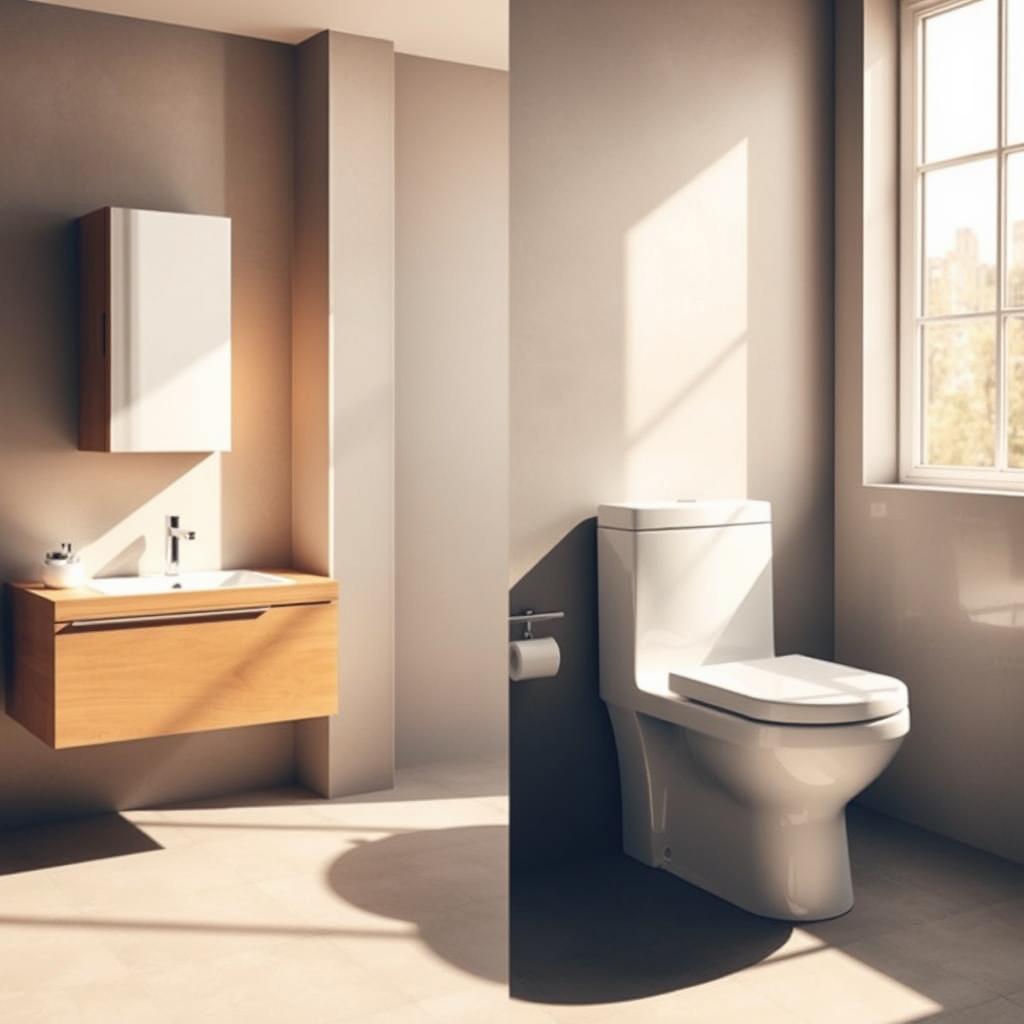
When budgets press tight, small choices about parts and labor add up fast.
Potential upsides: You can lower upfront cost and shave days off a schedule by repainting, reusing a solid vanity, or buying quality second‑hand materials. Those moves often compress time without hurting performance.
Hidden downsides: Low-tier valves or thin plating lead to drips, mineral buildup, and early failures. Voided warranties are common if manufacturers require licensed installation for coverage.
DIY vs. contractor: For supply and drain lines, waterproof membranes, ventilation ducting, and electrical work, we recommend a pro. Contractors handle permits, debris removal, and backed work that protects resale value.
- Plumbing matters: Quality faucets and toilets save water and simplify maintenance.
- Ventilation & lighting: Proper exchange rates curb mold; layered lighting improves usability and design.
- Storage & layout: Skimping here creates daily clutter and reduces function.
Real-world note: swapping mortar for an adhesive mat looked faster, but wet-cut tiles wouldn’t stick and the job stretched way beyond a single day. If a shortcut affects waterproofing, structure, or safety, don’t cut corners; for style and finishes, consider reused materials or modular upgrades and book expert help at this guide.
Expert Guidance: Where to Save, Where to Spend, and How to Avoid Regret
A practical plan helps you save where smart and spend where systems protect your home.
Smart savings: Keep a sturdy vanity and refresh it with a new top or hardware. Refinish solid tubs and source mirrors or statement pieces from reuse outlets like Habitat for Humanity ReStore.
Painting is an easy DIY that reduces contractor days and the total amount you spend. Shopping lightly used items can give high-end looks at lower cost.
Spend where it counts
Invest in code-compliant plumbing, proper waterproofing, and ventilation that meets recommended air exchange rates.
Choose quality fixtures and faucets with proven cartridges, solid metal construction, and finish warranties. Licensed installation often preserves those warranties and protects resale value.
Plan your next step
Finalize layout, confirm specs with your contractor, and reserve a set budget for professional labor to avoid costly rework.
- Sequence trades to prevent overlap and delays.
- Confirm flow rates to balance water use and comfort.
- Plan blocking for future accessibility needs.
Ready to prioritize your budget with confidence? Explore curated solutions and book a consult at Zove Homes — bathroom, and review permit and scope details at terms for bathroom remodel.
Conclusion
A clear plan prevents small decisions from becoming big headaches during a renovation.
We’ve shown that thoughtful choices marry design and durability. Reusing solid pieces and buying pre-loved items saves money without risking performance.
Never cut corners where waterproofing, plumbing, ventilation, or electrical are involved. Licensed contractors protect warranties and keep fines from surfacing at resale.
One real-world idea: skipping mortar for an adhesive mat stretched a one-day tile task into several days. That extra time cost more than the shortcut saved.
When you’re ready to move from plan to action, get expert support and a clear path at https://zovehomes.com/bathroom/.


