
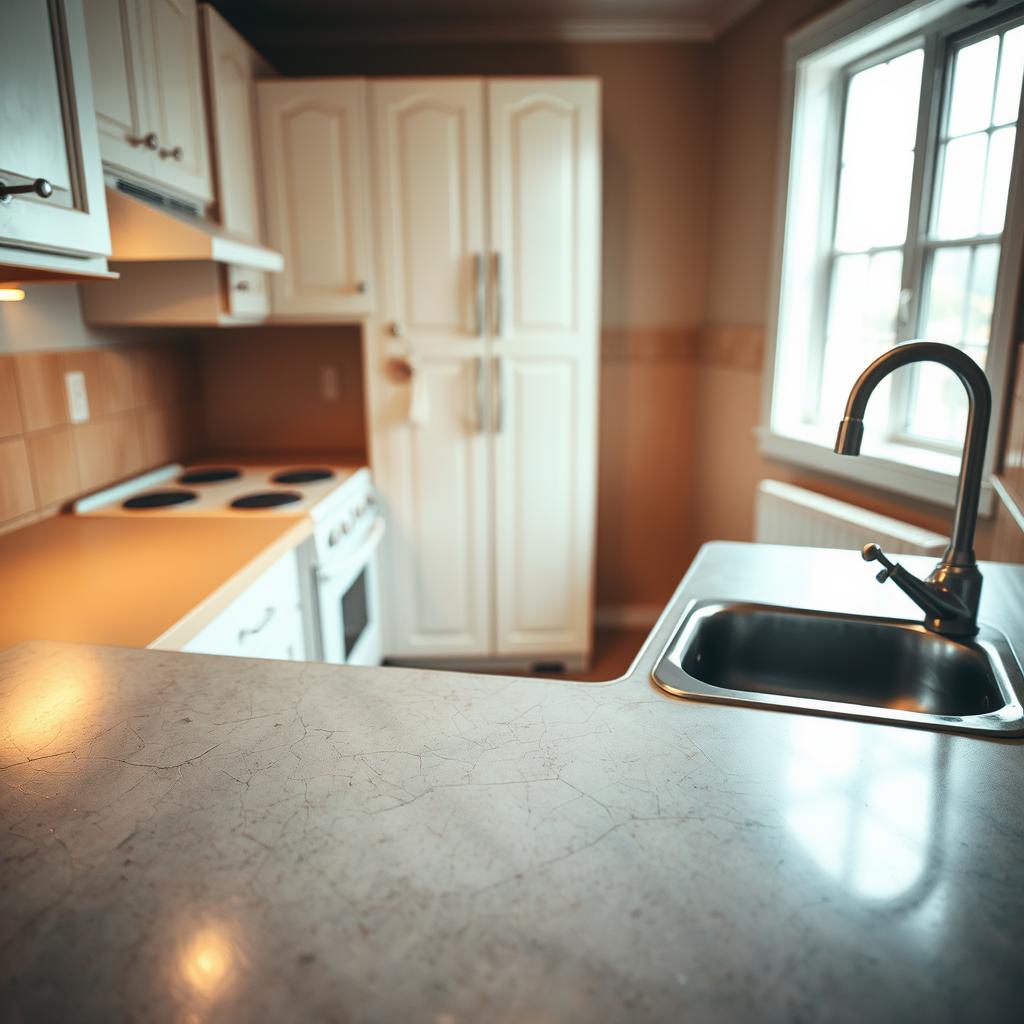
Can a bargain selection today cost you peace of mind tomorrow? That question matters when we plan a thoughtful kitchen renovation for a busy home.
Many owners try to save cash with cheaper finishes, then face moisture failures, odors, or harmful VOCs that affect family health and resale value. We guide readers through practical trade-offs so your space works well and keeps its appeal over time.
In this buyer’s guide, we set clear expectations: weigh initial price against long-term performance. We explain common pitfalls—weak cores, thin coatings, adhesives that hurt indoor air—and show where to invest for durability and aesthetic appeal.
For tailored advice and specs, visit our Kitchen page and explore realistic options that balance design, durability, and value. We also link practical flooring ideas at smart flooring choices to help prioritize what matters most.
Key Takeaways
- Think long term: initial savings can lead to higher upkeep and replacement costs.
- Avoid adhesives and finishes with high VOCs to protect indoor air and family health.
- Match material choice to use patterns—near heat, water, and heavy wear.
- Invest in durable cabinetry and surfaces where daily use demands it.
- Use our Kitchen page for tailored specs and confident planning.
What “low quality” means in a kitchen remodel today
Small construction shortcuts often show up as big problems after a few months of daily use. We define inferior outcomes as weak cores, thin finish layers, and hardware that won’t tolerate regular wear.
Melamine and basic laminates offer stable, budget-friendly surfaces but show scratches, edge damage, and limited shaping. Polyester finishes resist scratches better but are harder to repair. High-pressure laminates (HPL) deliver superior impact and scratch resistance compared with basic options.
Natural wood breathes with humidity; without proper sealing the grain can warp or crack. Thermofoil cleans easily but remains vulnerable to heat and moisture. Thin coatings and poor adhesives often fail near ovens, dishwashers, and sinks.
- Hidden failures: cheap hinges, slides, and fasteners cause misalignment and early replacement.
- High‑touch areas: drawer fronts, pull-outs, and appliance panels need tougher finishes to keep a consistent look.
- Zone focus: prioritize wet and heat areas when choosing core and finish systems.
We recommend comparing a wide range of options by performance, not price alone, and bookmarking our Kitchen planning page for zone-by-zone guidance.
Health and safety risks: indoor air quality, VOCs, and moisture issues

Indoor finishes can silently affect family health long before visible wear appears. Engineered wood panels and adhesives may off‑gas formaldehyde and other VOCs. That impacts indoor air and can trigger odors or irritation for sensitive people.
We watch for products with third‑party emissions data and certifications. Subpar plywood or particleboard often emits noticeable odors when new. Heat plumes from ovens and toasters speed up off‑gassing and can worsen the problem.
Engineered woods, adhesives, and formaldehyde: what to watch for
- VOCs matter: choose panels and adhesives with documented low emissions and third‑party labels.
- Sealed edges: exposed wood grain and unsealed edges wick moisture and invite swelling and warping.
- Check reports: request product emissions data before you buy so your home air stays healthier.
Moisture + heat = warping, odors, and degraded finishes over time
Moisture at sink bases or dishwasher panels swells cores and releases odors as finishes delaminate. Low-grade resin floors and weak adhesives can stain, dull, and need early replacement.
We recommend ventilation, dehumidification, and regular sealing in vulnerable zones. If you’re sensitive to air quality, please consult our team for material vetting: https://zovehomes.com/kitchen/.
Total cost of ownership: the real price beyond the sticker
A modest initial invoice can hide much larger lifetime expenses for your renovation. Cheap components often fail sooner. That raises repair bills and steals your time.
We compare upfront price with long-term value. Frequent fixes and early replacements can wipe out any initial savings.
Warpage, bubbled veneers, and peeling finishes often require whole-door or casework replacement. These repairs add labor and material costs that stack up fast.
- Repair math: recurring callbacks and replacements erase short‑term price benefits.
- Health & air: durable, low‑emitting choices reduce dust and allergens and save maintenance time.
- Resale signal: appraisers and buyers factor finish condition into home value and perceived worth.
- Warranties matter: longer coverage and service networks often indicate better expected lifespan.
- Smart budgeting: allocate funds to failure‑prone zones first, then optimize for style.
We model cost‑of‑ownership scenarios so you can target investments that lower lifetime expense and preserve resale value. For step‑by‑step guidance, see our cost-of-ownership planning and compare installation expectations with practical numbers at bathroom countertop installation costs.
How low quality shows up in cabinets, countertops, flooring, and finishes
Spotting early failures in cabinets and surfaces saves time and prevents expensive fixes later. We focus on clear signs that a selection won’t last under daily use. These cues help you prioritize where to spend for better performance.
Cabinet red flags
Watch for particleboard-only cores at wet bases and thin edge banding that peels. Melamine adds stability but can dent and show scratches; heavy panels may sag if poorly supported.
Cheap hardware like generic steel or thin stainless steel hinges and slides loosen fast and cause doors to sag. Feel the fit: wobbling doors or racking drawers signal deeper issues.
Countertop concerns
Basic laminate edges easily chip and are hard to repair cleanly. Some low‑grade “quartz” mixes use excess resin that can discolor and show visible seams on long spans.
Direct heat can damage engineered stone tops and cause stains where the finish thins.
Flooring and finish failures
Thin wear layers and resin floors often scratch, scuff, or stain in high-traffic areas. Look for finishes that resist marks and hide grain changes near wet zones.
Thin topcoats telegraph scratches and invite stains. Moisture-driven swelling at sink bases will show through the grain and misalign doors over time.
- Quick checklist: particleboard in wet zones, fragile laminate edges, visible countertop seams.
- Loose hardware (steel or stainless steel) and thermofoil that shows fingerprints or heat damage.
- Wobbly doors, chalky finishes, or floors that dull after a few months.
Budget choices often raise long-term cost via rework or full replacement of kitchen cabinets. For smarter swaps and tested alternatives, see our countertop guide and book expert help at budget-friendly countertop options or request a materials review at our risks & guidance page. We can help you choose systems that meet daily needs and protect your investment.
Buyer’s Guide to cabinets: from melamine and MDF to solid wood and stainless steel

Picking the right cabinet core and door finish shapes how your space performs for years. We review common options so you can match appearance, wear resistance, and maintenance to your daily routine.
Melamine, polyester, and HPL: stability versus scratch and edge vulnerabilities
Melamine is the least expensive and very stable but can dent and scratch. Polyester offers better scratch resistance but is harder to repair.
HPL adds impact and edge protection, and is worth the price when durability matters most.
MDF, thermofoil, and veneer: paintability, heat sensitivity, and water risks
MDF gives a silky paint surface and flexible profiles but tolerates heat poorly. Thermofoil cleans easily and has an easy clean appeal, yet it can peel near ovens.
Veneer shows authentic wood grain and resists warping, but it needs careful moisture control to avoid bubbling.
Solid woods and bamboo: durability, movement, and care
Oak, birch, and hickory range from rot‑resistant to paint‑grade to very rugged. Wood moves with humidity and needs regular sealing and simple maintenance to look its best.
Bamboo plywood is strong and visually distinct, though it can raise the price compared with engineered cores.
Stainless steel cabinetry
Stainless steel is non‑porous, heat‑proof, and hygienic. It shows fingerprints and is a niche choice for modern design.
- Practical tips: seal exposed edges, pick stronger cores in wet zones, and specify durable hardware to keep doors aligned.
- Invest where it counts: cases and hardware outlast trendy door finishes and preserve overall value.
- See samples: compare door styles, cores, and hardware with our team at our kitchen planning page and review our bathroom countertop guide for surface ideas including countertops.
Countertops, flooring, and surfaces that balance durability and design
Smart surface selection balances real-world durability with a cohesive aesthetic. We outline practical options so you can mix and match resilient surfaces for busy kitchen areas without sacrificing the look you want.
Quartz countertops: stain resistance, no sealing, heat caution
Quartz resists stains and bacteria and needs no sealing. Place seams thoughtfully on long runs and ensure sturdy bases to prevent flexing.
Use trivets for hot pans—direct heat can damage the finish despite quartz’s strong performance.
Porcelain tile: water resistance and wide finishes vs. hardness underfoot
Porcelain is extremely water resistant and comes in many finishes, including large formats that reduce grout lines.
It’s very hard underfoot and grout needs periodic cleaning and sealing to maintain durability.
Luxury vinyl flooring: comfort, water resistance, and dent/fade considerations
Luxury vinyl flooring is comfy, spill‑friendly, and resists stains and scratches.
Watch for denting under heavy appliances and UV fading in sunny zones; allow expansion gaps and consider a cork underlayment for added softness.
Laminate cabinet faces: easy clean, budget‑friendly, edge protection tips
Laminate delivers an easy clean surface and attractive look at a reasonable price. Protect vulnerable edges and pick a good substrate to avoid warping near wet areas.
- Pairing tip: quartz tops with porcelain backsplashes create a cohesive finish.
- Maintenance: use gentle cleaners and follow product care to preserve finish and color.
- Accents: stainless steel shelves or trim add hygienic zones without a full metal aesthetic.
- Installation best practices: flat subfloors for quartz, correct expansion for LVF, and sealed grout for porcelain.
For curated combinations and to see samples in person, visit our materials library and explore surface countertop guide. We’ll help you match products to daily habits, traffic patterns, and your final look.
low quality materials kitchen remodel: how to spot and avoid them
Not all product labels mean the same thing—learn the signals that separate durable choices from risky ones.
Quick evaluation checklist: cores, certifications, warranties, and hardware
We use a short checklist you can run through before you sign a bid. Inspect cores, verify finish thickness, and confirm hardware grade.
- Verify core type: spot-check sample cuts for density and edge sealing.
- Emissions & tests: request lab reports and third‑party certifications for VOCs.
- Warranties: read finish, hardware, and moisture coverage closely.
- Installer input: ask pros about seam visibility and long-run performance.
Brand and product vetting: reviews, lab tests, and installer guidance
We review owner feedback, lab data, and installer notes to compare model numbers and hardware series. Avoid unbranded resins and no‑name hinges that often fail under heat and moisture.
Document every specification in your bid so no substitutions occur. For a side‑by‑side spec review and a materials kitchen consultation, book a materials review with us.
Learn what to ask contractors and see a practical checklist in our guide to second‑hand fixtures.
Design integrity and resale: protecting your kitchen’s look and value
What buyers notice first is a kitchen that reads as intentional and well-made. A cohesive design keeps a home’s first impression strong and preserves perceived value over time.
We connect material choices to long‑term design integrity so the space ages gracefully. Durable selections sustain aesthetic appeal through daily use and protect resale value.
- Proportions & grain: consistent cabinet scale, aligned wood grain, and steady finish color reinforce a deliberate look.
- Neutral palettes: timeless door profiles and neutral cores keep options open as trends shift.
- Hardware matters: robust hinges and pulls preserve straight lines and help photos read well to buyers.
- Smart upgrades: resilient counters and flooring return value at sale more often than trendy finishes.
- Proof of care: sample boards, lighting checks, and simple maintenance records reassure future owners.
We invite you to preview curated palettes and resale‑oriented specs at our kitchen page. Choose with both look and long‑term value in mind.
Conclusion
Choosing proven products and clear specs prevents most post-install headaches. Prioritize durable options—quartz countertops, porcelain backsplashes, resilient flooring, and stainless steel accents—to reduce stains, repairs, and upkeep.
Match cores and cabinet hardware to actual use. Specify finishes that resist wear and make cleaning easy. Confirm warranties, lead times, and installer methods before ordering to avoid surprises.
Inspect deliveries closely: check edges, hinges, and surface finish at drop‑off. Document care steps so warranties stay valid and your space keeps its appeal and value.
Ready to start your kitchen renovation with expert guidance? Schedule a consultation and explore curated specifications at https://zovehomes.com/kitchen/.


