

Planning a bathroom refresh with reclaimed pieces can be smart, stylish, and sustainable when you follow a clear plan. We guide homeowners through the key decisions that protect long-term performance and design value.
Start by aligning goals — safety, moisture resistance, and timeless looks matter as much as price. Measure openings, check clearances, and test doors and drawers on-site. Look for solid joinery like dovetail drawers and sturdy construction over cosmetic chips.
Trust your nose: persistent odors or mustiness are red flags. We explain simple sniff tests, bed-bug precautions, and transport planning so items arrive intact. Budget for sealing, hardware, and a 10% contingency to avoid surprises.
When you’re ready, pair your finds with layout strategy and expert checklists at https://zovehomes.com/bathroom/ for step-by-step planning and installation guidance.
Key Takeaways
- Prioritize structure over cosmetics; check joinery and hardware before buying.
- Use quick measurements and in-store testing to save time in a fast market.
- Reject items with persistent odors; follow simple quarantine and heat protocols.
- Factor sealing, new hardware, and a 10% contingency into your budget.
- Choose moisture-ready finishes and rust-resistant fittings for longer life.
- Combine secondhand finds with layout plans from our bathroom hub for best results.
Why Choose Secondhand for a Bathroom Makeover Right Now
Sourcing quality used furniture for your bath keeps materials in play and supports community programs. Reusing solid pieces saves money and reduces waste, a practical win for design and the planet.
ReStore data shows resale shopping diverts millions of pounds from landfills and often carries gently used or overstock items. City markets tend to offer broader selection and sharper prices, so check local shops and online listings often.
Sustainability and savings: keeping quality items in circulation
- Choose secondhand furniture and you lower demand for new manufacturing while keeping quality items in circulation.
- Buying used furniture can score well-made vanities, vintage cabinets, and mirror frames that add character to a small home bath.
- Resale shops, salvage stores, and estate sales are the best places to find unique items; inventory turns fast, so act quickly.
We pair these benefits with design guidance at https://zovehomes.com/bathroom/, helping you align thrifted finds with a modern aesthetic and a clear plan for measurements and finishes.
Second-hand fixtures what to know before you start planning
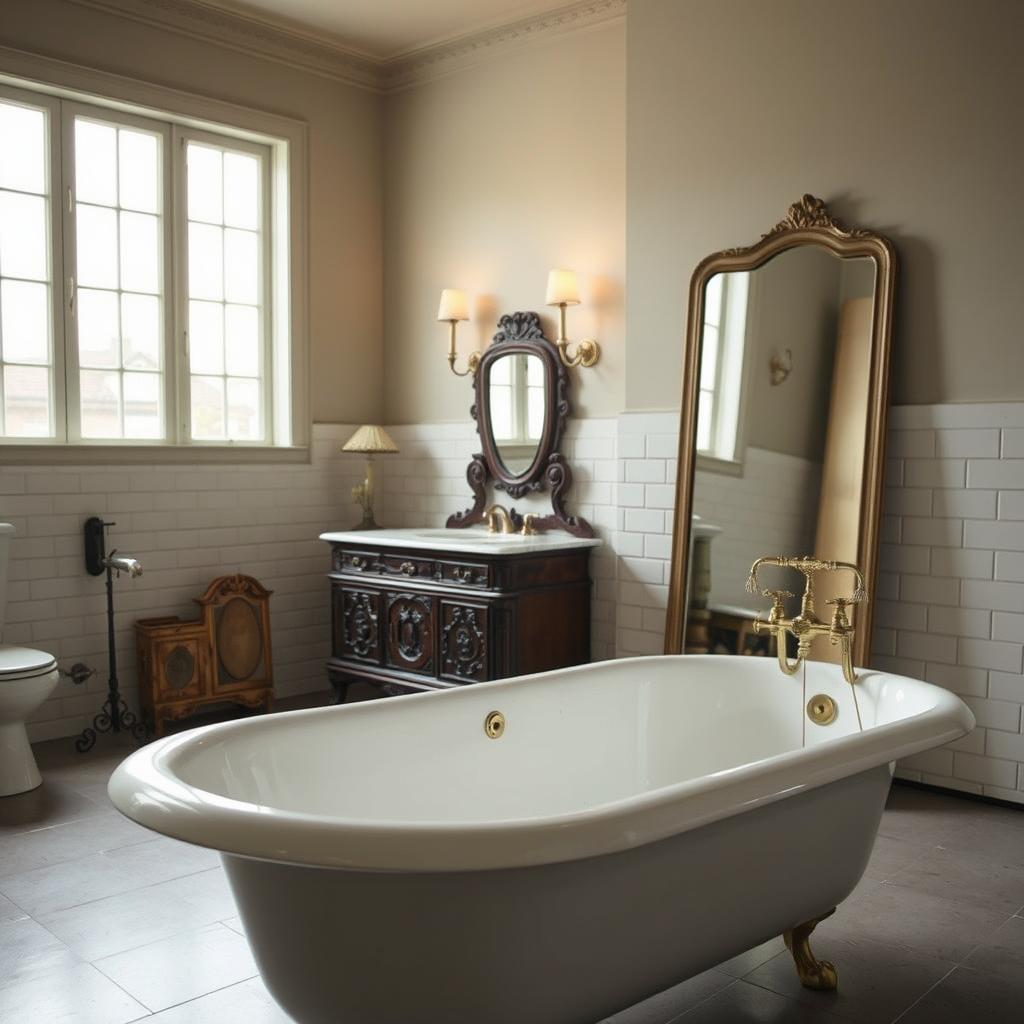
Start with precise measures and a simple plan. We recommend measuring height, width, and depth of the intended space and noting doorways, stairwells, and tight turns so a found furniture piece can actually reach your bathroom.
Measure your space, doors, and pathways precisely
Test-fit mentally and on-site. Measure the piece and the path it must travel. Check clearances around toilets, tubs, and doors so the item won’t block function.
Pick primary and backup locations in the room
Identify a main spot and a backup within the room. This gives flexibility if a piece is slightly larger than expected and preserves usable clearances.
Create a quick checklist: materials, condition, price ceiling, pickup plan
- Set target materials and finish compatibility; avoid porous, unsealed surfaces unless you plan to seal them.
- Define visible condition thresholds, must-have hardware, and a firm maximum price so you decide quickly.
- Note weight, handling needs, and pickup logistics; heavier items may need movers or a dolly.
- Ask sellers about prior repairs, moisture exposure, and return policies—assume most items are sold as-is.
Bring a tape measure, painter’s tape, and a small level when shopping at stores. Mark the footprint at home, use our planning tools at https://zovehomes.com/bathroom/, and save time with these practical tips.
Quality First: Materials and Construction Checks That Matter in Wet Rooms
Start your selection by prioritizing build and materials—those choices determine how a piece will age in a humid bathroom. We look for clear signs of solid construction and avoid quick fixes that fail under steam and splashes.
Solid wood vs. particle board for vanities, shelves, and storage
Choose solid wood where possible. Solid wood resists swelling and delamination when sealed properly. Particle board often fails first in wet rooms, so favor dense species and tight grain for longevity.
Joints, drawers, and hardware: how to spot strong construction
Inspect joinery: dovetails and mortise-and-tenon joints signal higher quality than staples or cam locks. Pull drawers fully, test slides, and wiggle faces for looseness. Sturdy frames and consistent materials throughout mean the piece furniture will hold up.
Surface flaws vs. structural issues: what’s fixable in a bathroom
Surface scratches, chipped paint, and old stain are repairable with sanding and moisture-ready topcoats. Pass on cracked frames, rot, or persistent odors—those are structural problems.
- For tables or a table converted to a vanity, confirm the top can accept a sink cutout without weakening rails.
- Plan upgrades: marine-grade sealants, stainless or brass hardware, and edge sealing protect against humidity.
- When unsure, pick simpler furniture with solid bones over ornate, fragile pieces.
For compatible finishes and hardware recommendations, explore our guidance at https://zovehomes.com/bathroom/ and learn how small upgrades extend the life of used furniture in wet rooms.
Odors, Moisture History, and Bed Bug Safety Checks
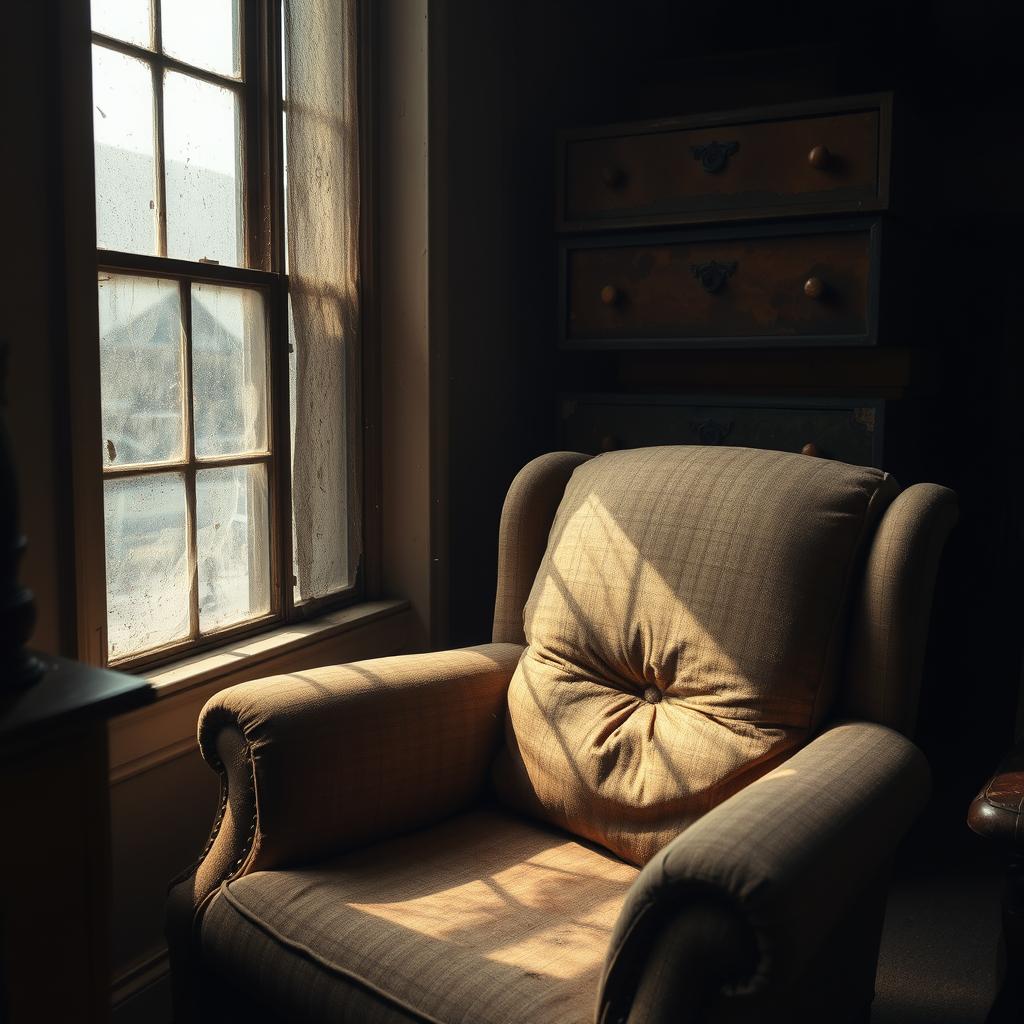
Before you buy, run a quick hygiene sweep. Smell the piece for smoke, mildew, or chemical odors. Persistent smells, especially cigarette smoke, often soak into fabrics and are hard to remove.
Inspect the backside, undersides, and seams for moisture staining, bubbling veneer, or rust trails. These signs show prior water exposure and risk for future problems.
The sniff test: smoke, mildew, and mystery smells are deal breakers
Use your nose first. Smoke and mildew can penetrate towels, fabric, and porous surfaces. If an item smells strongly, pass and keep looking—there are a lot of good things out there.
Bed bug inspection with flashlight and magnifier: seams, joints, backsides
Scan joints, screw holes, crevices, and loose paint with a flashlight and magnifier. Look for black fecal spots, reddish smears, shed skins, or live bugs. For upholstered furniture, check welting, zippers, and staples closely.
Post-purchase mitigation: heat treatment to 110°F for 3+ hours or bathtub quarantine
- Assume many shops sell as-is under a strict return policy; inspect on-site before buying.
- If borderline, isolate the item in a smooth bathtub for a few days; bugs can’t climb slick surfaces.
- When possible, heat-treat the piece in a dark plastic bag at 110°F for three hours or longer to neutralize pests.
Hygiene and safety are part of our professional standards. For recommended materials and sealants suitable for humid rooms, visit https://zovehomes.com/bathroom/.
Smart Shopping: Where to Find Pieces and How to Test Them
A focused route and a sharp checklist help you win quality furniture in fast-moving markets.
Where to look: Build a loop of reputable stores, salvage yards, estate sales, and online marketplaces. Quick estate sales and local market listings often move the best furniture fast, so plan visits and alerts.
On-site testing
Open and close doors and slide drawers fully. Remove shelves and reseat them. Confirm the piece sits level and tip it slightly to judge weight and balance.
These checks reveal hidden damage and help you plan helpers and transport.
Reading seller cues and policies
Ask sellers direct questions: prior repairs, moisture exposure, or missing parts. Request photos or a short video if you cannot inspect in person.
Learn the venue’s policy—many resale environments sell as-is with no return policy—so your testing is critical. For seating near a vanity, test a chair or small bench for wobble and cleanability; a couch for dressing areas needs frame integrity and fabric that cleans well.
- Keep dimensions and a shortlist on your phone for quick decisions.
- Be courteous, prompt, and ready to pick up—speed often wins in shopping and sales.
- Combine real-world sourcing with our guidance at https://zovehomes.com/bathroom/ to ensure any piece furniture meets code, layout, and finish goals.
Budgeting and Compliance: Total Cost, Materials, and Bathroom Safety
We recommend a simple formula for total cost: sticker price + restoration supplies + a 10% contingency. Add small tool rentals and delivery fees so the budget reflects real money flowing out.
Do the math: price, supplies, and contingency
Start with the item cost, then add paint, primer, sealant, new hardware, liners, and any fabric or cushioning. Include a 10% buffer for surprise repairs or extra labor.
Moisture-ready finishes and rust-resistant hardware
Select bonding primers, cabinet-grade enamel, or waterborne alkyds that tolerate humidity. Use stainless steel or solid brass for pulls and fasteners to avoid corrosion and staining.
Mind plumbing, GFCI placement, and ventilation
If converting a console to a vanity, verify trap and supply routing. Mind GFCI outlet locations and plan an effective exhaust fan to lower humidity and protect finishes.
- Check construction: ensure the carcass will bear a stone or composite top; reinforce cut edges and use proper brackets.
- Prioritize solid wood where possible; it accepts repairs and refinishing more predictably than engineered substrates.
- Confirm items meet local code or plan professional hookups for plumbing and electrical work.
Bottom line: buying used can deliver high quality at a fraction of new cost—if you factor in materials and labor and mind compliance from the start. For deeper specs and code-aware planning, visit our detailed guides at https://zovehomes.com/bathroom/.
From Pickup to Install: Transport, Cleaning, and Finishing Steps
Getting a found furniture piece home and ready for a bathroom requires a clear sequence. Take your time and plan helpers, gear, and a safe pickup window so nothing is rushed.
Plan transport: weight, help, tie-downs, and timing
Schedule strong helpers and allow extra minutes for tricky maneuvers. Use moving blankets, straps, and a dolly. Expect deceptive weight—older wood and hardware can be heavier than they look.
Deep clean, dry, seal: preparing wood and metal for humidity
Inspect under bright light and, if pest risk remains, isolate or heat-treat before bringing the piece inside.
Vacuum, degrease, and strip loose finish. Let the piece dry fully before priming. For wood, seal end grain, undersides, and interior panels—not just visible faces—for best moisture resistance.
Style integration: turning a furniture piece into a vanity or storage
Dry-fit in the room first to confirm clearances and ergonomics. Template sink and trap routes and cut cleanly, then seal cutouts.
- Replace worn slides and hinges and add backer blocks for added rigidity.
- Line drawers with wipeable liners and choose fabric that cleans easily for soft elements.
- Finish with level shimming and caulked seams for a professional look, and cross-check finish schedules and install checklists at https://zovehomes.com/bathroom/.
Conclusion
Smart shopping and careful prep turn a reclaimed piece into a durable, stylish bathroom anchor.
Measure twice and test on-site so the furniture, chair, or table fits and functions in your space. Prioritize solid wood frames and sound construction for vanities and storage that face daily moisture.
Reject persistent odors and inspect for pests. When unsure, quarantine or heat an item at 110°F for three hours before bringing it inside. Budget with a 10% contingency so restoration or delivery does not surprise your money plan.
Shop across stores and trusted sellers, check condition and fabric on upholstered furniture, and buy used furniture with confidence. Ready to plan your layout and finishes? Visit https://zovehomes.com/bathroom/ and let us help you turn the best secondhand finds into a lasting part of your home.


