
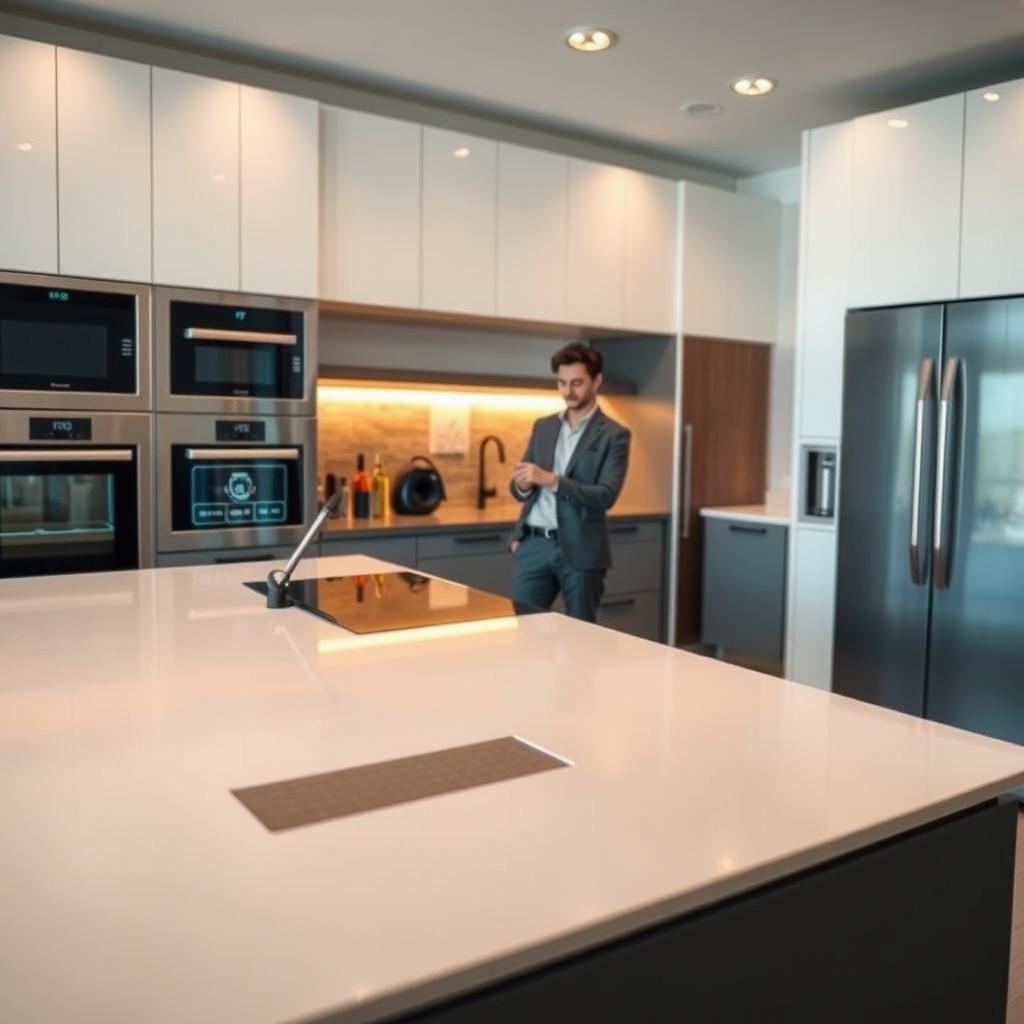
Can smart tools truly cut foodborne illness and speed service without stripping away human touch?
We set the stage by explaining how modern systems make food prep areas safer and service smoother. Nearly 1 in 6 Americans get sick from contaminated food each year, so this is not theoretical — it matters to businesses and homeowners alike.
I describe real, practical tech: AI-powered ovens and fryers that track temperature in real time, and robotic helpers like Miso Robotics’ Flippy that handle hot grills reliably. The global market for robotics and related tech is projected to reach $8.63B by 2032, and many solutions bolt onto existing equipment to lower costs.
We preview the main advantages: better temperature control, fewer contamination risks, faster throughput, and more consistent results while keeping business costs in check. For design-forward ways to blend these upgrades into your space, explore our ideas at Zove Homes.
Key Takeaways
- Smart systems reduce risk and improve consistency in food prep.
- AI-driven cooking tools monitor temps and alert teams in real time.
- Many solutions retrofit existing equipment to lower upfront cost.
- Adoption can boost throughput during peak service times.
- Design-forward integration keeps form and function aligned.
- Start planning by pairing operational goals with thoughtful design.
- Check lighting and layout advice, like for your lighting needs, when you renovate.
Defining kitchen automation safety in today’s U.S. kitchens
In busy service hours, systemized controls can close the gap left by human error and rushed procedures.
I define this approach as a coordinated set of tools and workflows that cut handling, standardize steps, and verify critical points like cook temps in real time. That combination reduces touchpoints and makes processes repeatable across shifts.
From human error to systemized controls:
From human error to systemized controls: the safety gap automation fills
Staff fatigue and fast service increase cross‑contamination and missed cleaning cycles. Timers, sensors, and rule‑based prompts guide the right action at the right time and lower that risk.
Present-day pressures: labor, hygiene, and consistency under time constraints
Labor shortages and rising costs force operators to keep throughput steady. Targeted upgrades that integrate with existing gear help contain costs while improving consistency and operations.
- Reduce touchpoints and standardize critical steps.
- Prioritize temperature monitoring and cleaning prompts.
- Plan phased upgrades to avoid service disruption.
For design and layout cues that support safer workflows, visit our design guide. For emergency access planning, see emergency call systems for bathrooms.
How automation tackles food safety and reduces risk
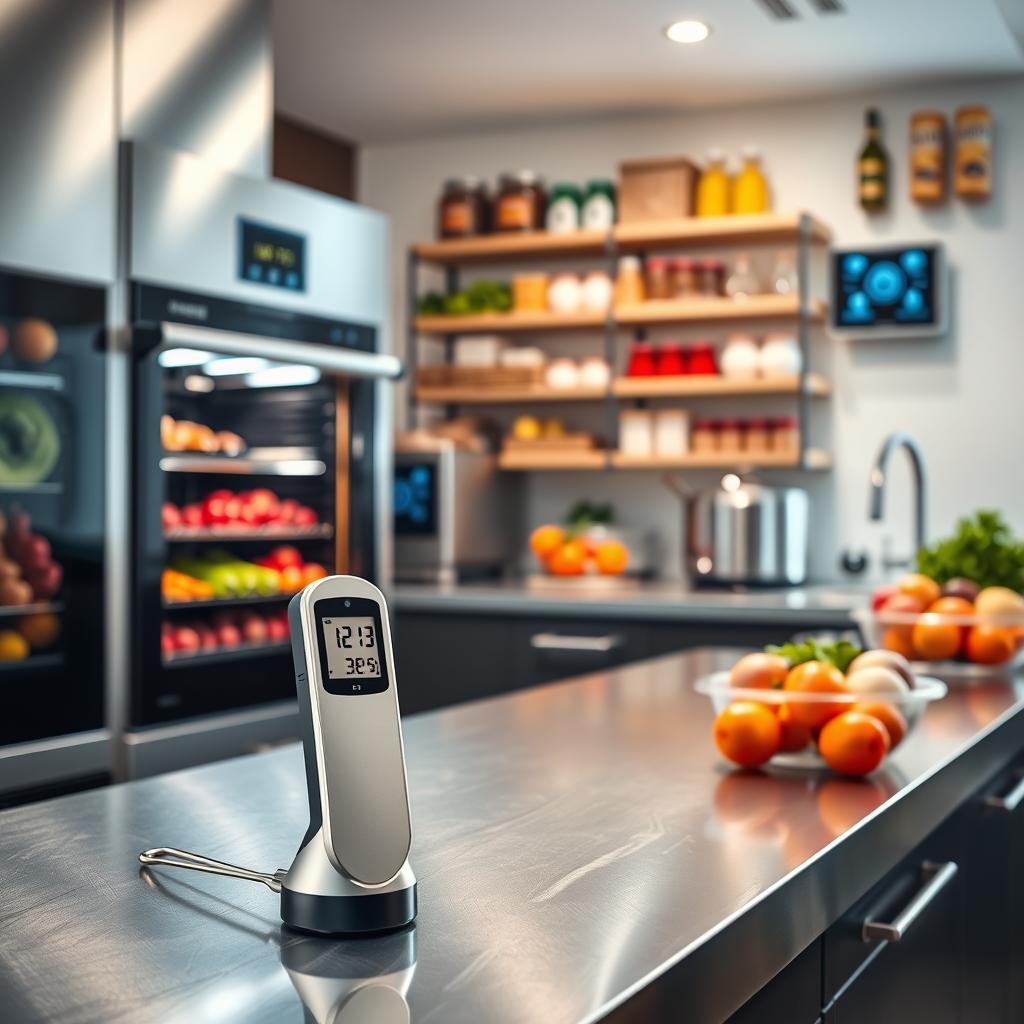
Precision control and guided workflows give operators a practical way to cut hazards and improve consistency. AI‑driven ovens and fryers track temperature in real time so proteins reach required internal temps every cook.
Temperature precision: AI‑powered ovens and fryers that cook safely every time
Sensor‑led cooking keeps time and heat exact, which reduces undercooking and wasted product. Real‑time alerts let staff correct deviations quickly, lowering both risk and costs.
Minimizing touchpoints: automated workflows that curb cross‑contamination
Fewer hands on ingredients and standardized utensil use reduce common cross‑contamination routes. Guided prompts make batching, labeling, and timed transitions easier to follow during busy service.
Protecting staff: robots handling hot oil, sharp blades, and hazardous tasks
Robotic systems like Flippy handle high‑heat frying and repetitive slicing, which cuts injury rates and keeps prep areas cleaner. That protection translates into lower labor incidents and steadier quality plate after plate.
- Exact temp control ensures safe, repeatable cooking for poultry and proteins.
- Reduced touchpoints and clear separation between raw and ready‑to‑eat areas curb contamination.
- Start small: add smart controls to existing equipment for immediate gains without a full rebuild.
For a practical path from these safety gains to layout and procurement, see our planning guide at design & equipment planning and review research on autonomous adoption at autonomous kitchen safety.
Efficiency, quality, and cost: the operational upside
Coordinated upgrades that link displays, inventory, and paced prep change how service runs. I focus on pragmatic gains operators see in speed, portion stability, and lower costs.
Speed and throughput: serving more customers at peak times
Coordinated systems such as KDS and timed holds let teams move more orders without adding heads. Lines stay paced and remake rates fall, so busy times become manageable.
Consistency and portion control
Automated cues and portion guidance stabilize quality and reduce over‑pouring. That improves customer satisfaction and keeps plating uniform across shifts.
COGS and food waste
AI forecasting aligns prep with demand and cuts spoilage. Fewer surprises mean tighter purchasing cycles and lower food waste, which directly reduces operating costs.
Proven ROI
Data shows 84% of operators with a KDS report strong ROI; another 54% without expect solid payback. Using smart add‑ons with existing equipment accelerates payback and keeps capital costs in check.
- Faster throughput at peak times.
- Stable portions and better quality control.
- Tighter COGS via demand forecasting.
- Lower risk and fewer costly errors.
For layout ideas that support these gains, plan upgrades with our design approach at Zove Homes.
Workforce shifts: roles, training, and management in automated kitchens
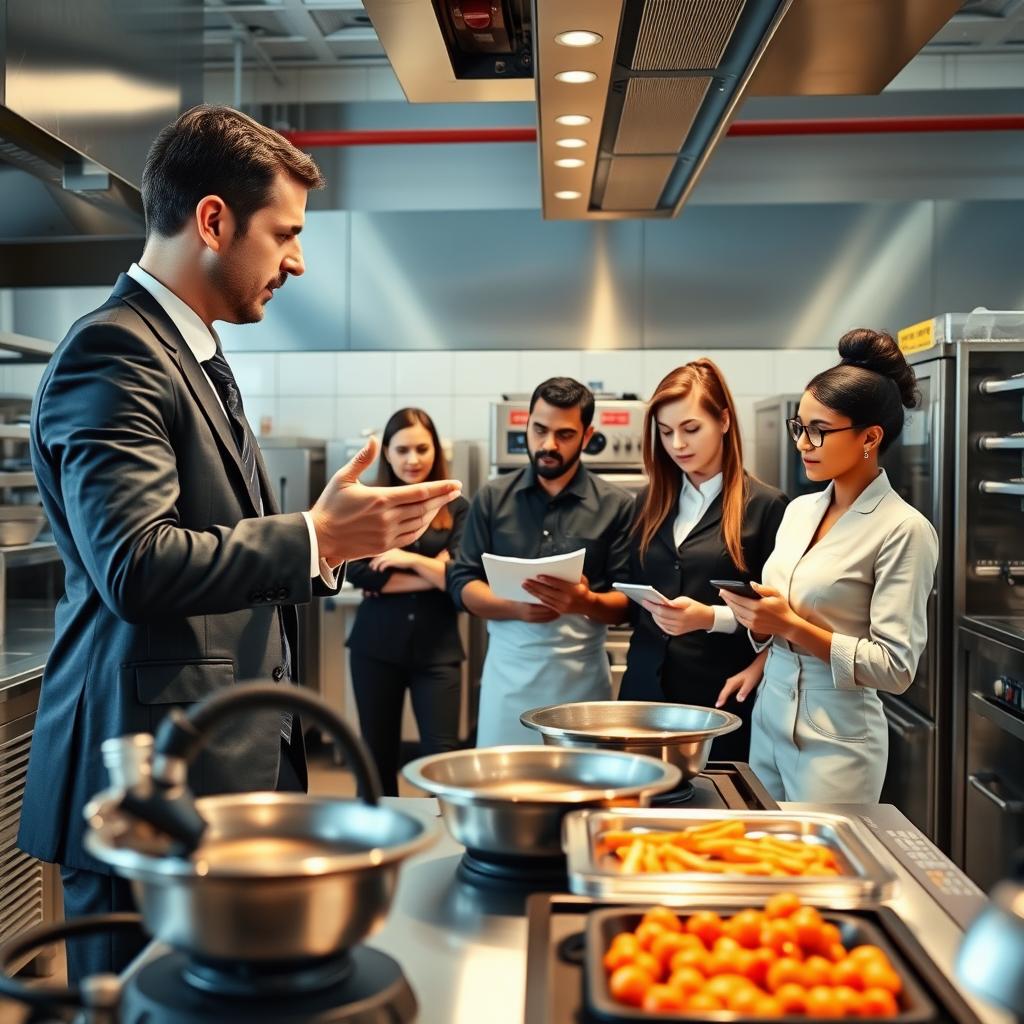
When machines take on repetitive tasks, people move into higher‑value roles that guide and maintain systems. This change reshapes staff duties, labor planning, and daily operations.
We map how roles evolve as systems handle routine work. Staff focus more on quality checks, timing, and equipment health. That shift reduces strain and helps retain talent.
Upskilling pathways: data, robotics care, and system management
Training in KDS analytics, basic robotics care, and device troubleshooting creates career mobility. Hands‑on learning converts entry roles into supervisory ones.
- Managers get clearer dashboards for simpler staffing and better management of peak service.
- Cross‑training supports coverage and protects service when issues arise.
- Align preparation checklists with system prompts so teams adopt new tools seamlessly.
Thoughtful training plans lower friction, boost morale, and control costs. For role transition tips and layout ideas that include training spaces and sightlines, plan a refresh with us at Zove Homes.
Technologies and systems reshaping commercial kitchens
Today’s technologies let operators target the busiest stations for the biggest gains in throughput and risk reduction. We survey tools that pair robotic systems with smart devices and software to streamline processes and protect staff.
Robotic systems handle grilling, frying, slicing, and assembly—examples like Flippy reduce repetitive tasks and maintain hygiene. Programmable ovens and fryers add exact temp control and demand‑based power use for consistent results.
- Automated prep and dishwashing cut repetitive labor and lower injury rates.
- KDS delivers accuracy, pacing, and clearer line coordination for faster service.
- AI inventory management forecasts demand for just‑in‑time prep, shrinking waste and stabilizing costs.
Many solutions mount to existing equipment, so you can phase in upgrades starting at the bottlenecks or highest‑risk stations. For a design‑forward integration plan that fits layout and workflows, explore our design and planning guide. See a broader tool survey at innovative commercial tools.
Quick take:
- Prioritize stations that constrain throughput.
- Choose systems that integrate with current equipment to limit downtime.
- Phase rollouts to test ROI and refine processes.
The business case: economics, wage pressures, and adoption strategies
https://www.youtube.com/watch?v=STclc141umU
As labor costs climb, owners need practical strategies that protect margins while keeping service steady.
Market momentum matters: the industry is growing fast, with robotics and related tech projected to reach $8.63B by 2032. That growth and strong KDS ROI figures make a compelling financial story for operators.
Wage trends and margin pressure
Twenty‑three states raise minimum wages on Jan 1, 2025, and California set fast‑food pay at $20/hour in April 2024. Economists expect roughly a 5% rise in fast‑food prices as a response.
Higher payrolls squeeze smaller restaurants first, increasing risk of closures unless operators act.
Integrate, don’t rip-and-replace
Many automated systems bolt onto existing equipment. Integrating lets you lower upfront costs and keep service running while you test ROI.
Phased rollouts and leasing
- Start at bottleneck stations for immediate wins.
- Use leasing or phased purchases to preserve cash flow.
- Track KPIs—labor, throughput, and error rates—to validate returns.
We recommend pairing deployment with focused training so quality stays high as roles shift. For a design‑first adoption path, plan with us at Zove Homes.
Who’s doing it now: real-world restaurant examples and outcomes
Real restaurants are already proving that targeted tech upgrades boost speed and plate quality during the busiest service runs.
White Castle: automating burger and fry stations for speed and consistency
White Castle automates grill and fry work to lift speed and consistency, especially at peak times. That focus helps reduce remakes and keeps food quality steady across shifts.
Wendy’s: precision fry cooking that halves cook time
Wendy’s uses a robotic fry cook that cuts cook time by about 50%. Faster cooks mean more orders served per hour and a steadier rhythm for staff during rush times.
Chipotle: AI‑assisted chip preparation for uniform quality
Chipotle tests AI helpers to standardize chip texture and seasoning. The result is more uniform food quality and fewer customer complaints about variation between locations.
Sweetgreen: robotic makelines boosting throughput and accuracy
Sweetgreen deploys robotic makelines to raise throughput and order accuracy. The systems ease repetitive tasks for staff and help lower turnover while improving the customer experience.
- These examples show targeted systems improve efficiency without sacrificing taste or presentation.
- Operations benefit first at repetitive tasks and hot cooking stations before broader rollout.
- Customers notice faster times, better order accuracy, and higher satisfaction while restaurants cut costs and remakes.
- For a blueprint you can adapt to your space and menu, explore https://zovehomes.com/kitchen/ for design guidance.
Conclusion
Small, targeted upgrades can deliver measurable improvements in quality, speed, and risk reduction. We’ve shown how smarter cooking and coordinated systems reduce touchpoints, control temps, and help cut food waste.
Benefits include cleaner workflows, fewer mistakes, and steady efficiency gains that compound over time. Phasing adoption and building on existing equipment keeps costs low and accelerates results.
The easiest way forward: pick one high-impact station, validate gains, then expand with confidence. Your operations and service improve together—staff focus on customers while automation handles precision and timing.
Explore plans, systems, and design options at Zove Homes — kitchen solutions, and review lighting guidance for layout needs at lighting needs.


