

I still remember the day a client stood in a tired room and said, “Can we make this space healthier and more beautiful without wasting money?” I felt that question deeply. As designers, we answer it with plans that respect both form and function.
We guide homeowners to smart choices that cut energy use and lower long‑term costs. Simple swaps — LED lighting, ENERGY STAR appliances, and WaterSense fixtures — add up. Choosing reclaimed wood, recycled glass, or low‑VOC finishes keeps air healthy and materials lasting.
Our approach aligns aesthetics with performance so you can transform kitchen goals into a clear project plan. We share tested ideas, durable design moves, and where to prioritize spending for the biggest returns. For inspiration and modern solutions, visit our main page, or explore local help at kitchen remodeling in Everett.
Key Takeaways
- Choose long‑lived materials to reduce waste and future costs.
- Small energy upgrades compound into meaningful savings.
- Low‑ and zero‑VOC finishes improve indoor air quality.
- Focus spending where it boosts comfort, durability, and resale.
- Use proven products like ENERGY STAR and WaterSense for reliable gains.
Start with a smart plan and realistic budget for a sustainable kitchen
Good planning turns a wish list into a practical, high‑impact renovation plan. We begin by setting clear priorities so the project delivers long‑term value and minimal waste.
Set priorities: energy, materials, and waste reduction
Focus first on must‑haves: ventilation, insulation or windows, and efficient appliances like ENERGY STAR models and LEDs. These choices cut operating costs and have the biggest impact over time.
Use lifecycle thinking to avoid trendy, short‑lived choices
We guide homeowners to timeless design so tear‑outs are rare. Daylighting with energy‑efficient windows reduces daytime lighting needs. Donating old cabinets to Habitat ReStore keeps usable materials out of landfills.
- Define a realistic budget that prioritizes energy and durable materials.
- Map must‑haves versus nice‑to‑haves to keep the schedule and scope steady.
- Set performance targets: ENERGY STAR appliances, LEDs, and WaterSense fixtures (≤1.5 GPM).
- Schedule decision milestones to limit change orders and save time.
Tip: Collect inspiration at zovehomes.com/kitchen before procurement so selections align with your design and procurement timeline.
Design for durability and timelessness to reduce future remodel costs
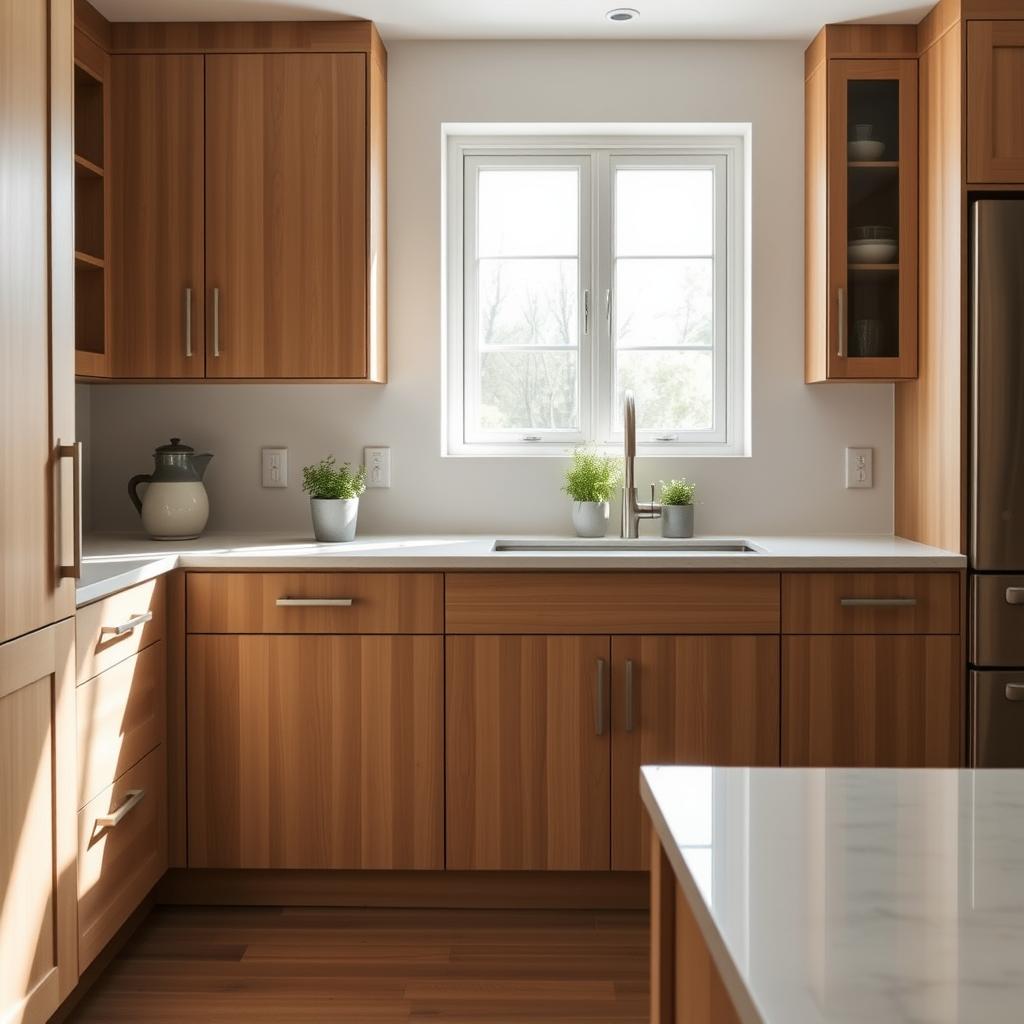
Often, the smartest way to update a room is to keep what works and renew what shows wear. Refacing doors, repainting surfaces, and swapping hardware extend service life at a fraction of full replacement costs.
We prioritize practical checks—inspect cabinet boxes, assess drawer slides, and test hinge function. Upgrading glides and hinges or adding one new pantry unit can transform use without new casework.
- Keep‑what‑works: a fresh coat, new doors, and modern hardware often renew cabinets for years.
- Durable materials: specify solid wood or formaldehyde‑free cabinetry and hard‑wearing finishes to improve indoor air and reduce touchups.
- Timeless design: align door styles, proportions, and colorways to avoid trend fatigue and cut future remodel needs.
We also route removed units to donation networks to divert waste. See examples of refreshed cabinetry and timeless layouts on https://zovehomes.com/kitchen/ for guidance before purchasing new components.
Boost efficiency first: appliances, lighting, and electrification that pay you back
Begin with the systems that run every day—appliances and lighting—to get the fastest returns on energy and comfort. Upgrades here cut operating costs and improve the room’s daily feel.
Choose ENERGY STAR appliances and induction cooktops to cut energy use
We recommend ENERGY STAR refrigerators, dishwashers, and ventilation to lift overall energy efficiency while keeping performance high. Induction cooktops are our go‑to option for speed, precision, and cleaner indoor air because they avoid on‑site combustion.
LEDs, smart controls, and task lighting for lower bills and better visibility
Layer LEDs—ambient, task, and accent—with dimmers and sensors so lighting matches use. Smart plugs and schedules help right‑size loads without sacrificing convenience.
All‑electric options and improved indoor air quality
When moving toward all‑electric, we check panel capacity and circuits up front so the project stays predictable and code‑compliant. We also size low‑sone, high‑capture range hoods to match induction output and protect indoor air.
- Induction pairs with efficient cookware for faster, safer cooking.
- LEDs can use up to 90% less energy than incandescent bulbs.
- We benchmark expected savings so you can see simple payback timelines.
Explore efficient product lines and layout ideas at our kitchen guide, and review federal upgrade incentives on home upgrade resources.
Let in more natural light with energy‑efficient windows and doors
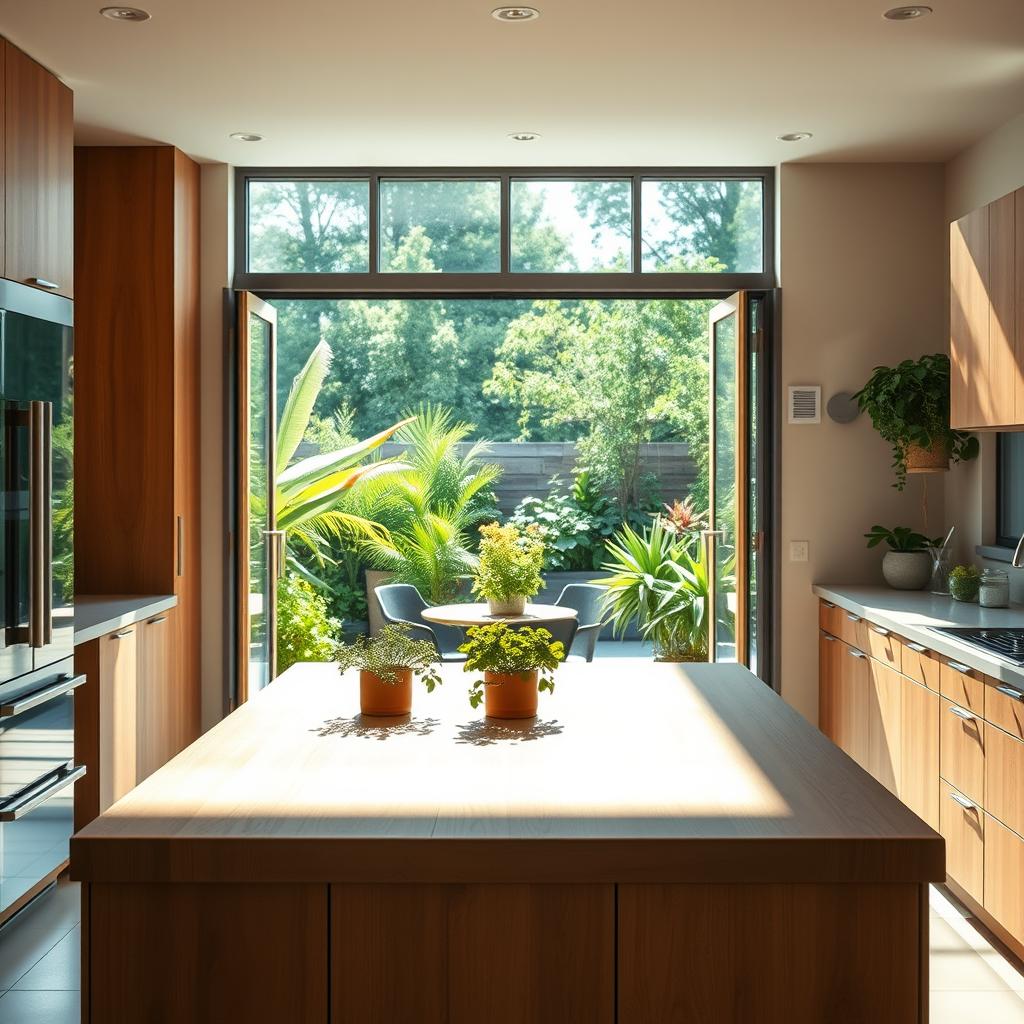
Natural light transforms how a room feels and performs, so we start by mapping where daylight can do the most work.
Daylighting strategies begin with a quick audit: if lights are on at noon, your layout or glazing needs attention. Skylights and tubular daylighting channel sun into deep plan areas without major structural changes. These options brighten work surfaces and circulation paths while cutting daytime electric lighting use.
Practical glazing and door upgrades
We specify ENERGY STAR windows to reduce energy bills—national studies show about a 12% savings on average. Exterior doors with insulated cores and selective glazing bring light without sacrificing comfort. Shades and low‑E coatings keep glare and solar gain under control.
- Start with a daylight audit to find quick wins.
- Skylights and tubular daylighting options for targeted lighting boosts.
- ENERGY STAR window packages and insulated doors to cut drafts.
- Move tall storage away from exterior walls to add more glazing.
Coordination matters: order windows during framing phases to avoid delays, and align sightlines and trim so new glazing fits your design. For daylighting precedents and window/door integrations that fit your home, visit design examples and explore decor ideas for finishing touches.
Choose sustainable materials that fit your budget and style
Material selection is where design and durability meet — pick pieces that perform as well as they please. We focus on options that protect indoor air and last for years.
Cabinetry: We shortlist reclaimed or FSC‑certified wood and formaldehyde‑free cores to balance durability, health, and cost. Solid wood options improve indoor air quality and protect forests.
- Countertops: Compare recycled glass, quartz, and PaperStone/Richlite for look, maintenance, and price. Recycled glass can be 50–75% less costly than granite; PaperStone often falls in the $1,278–$2,132 range.
- Flooring: Bamboo (~$3–$8/sf), cork, or Marmoleum deliver resilient, low‑VOC performance; strand‑woven bamboo is especially hard and durable.
- Finishes: Specify low/zero‑VOC paints from AFM Safecoat, Bioshield, or ECOS to cut odors and emissions during installation.
We set clear criteria—VOC content, recycled content, and certifications—then validate choices with samples. For sourcing and trusted suppliers, explore starting points at sustainable flooring options and additional guidance at our main kitchen page.
Improve indoor air quality with low‑impact finishes and better ventilation
Indoor air quality often changes quietly, but the finishes and ventilation you choose make an immediate difference. We focus on products and systems that cut harmful off‑gassing and manage moisture so the space feels fresher and performs better over time.
Low‑VOC and zero‑VOC paints, sealers, and adhesives
We specify low/zero‑VOC paints and sealers from trusted brands such as AFM Safecoat, Bioshield, and ECOS to reduce volatile organic compounds during and after work. These finishes dry with less odor and shorter off‑gassing periods.
Sealants and adhesives matter as much as paint. We choose low‑emission products across flooring, countertops, and trims so your home has a lower chemical load from the start.
Cabinetry and ventilation that cut exposure at the source
Solid wood and formaldehyde‑free cabinetry limit ongoing exposures to organic compounds. Durable wood options also age well and reduce the need for replacement.
- Range hood sizing: we right‑size capture and ducting and pair with induction to reduce indoor pollutants.
- Make‑up air: we integrate make‑up air where code requires it so vents work without depressurizing the home.
- Daylighting + water management: natural light and proper water control improve perceived air quality and reduce moisture risks.
We coordinate finish schedules so paints cure before move‑in and design surfaces for easy cleaning, lowering the need for harsh chemicals over time. For product lists and ventilation specs, reach out to review your plan at modern kitchen design or visit our planning hub at our kitchen page.
Budget eco friendly kitchen remodel: waste less with reuse, recycling, and water savings
A focused deconstruction plan helps homeowners keep usable pieces and cut disposal fees. We start by mapping what can be salvaged, donated, or sold before any demo begins.
Salvage, donate, and shop reclaimed to cut costs and landfill waste
We coordinate pickups with local reuse centers such as Habitat for Humanity ReStores so cabinetry and usable building materials find new homes. Buying reclaimed wood or surplus countertops often lowers costs and gives the space unique character.
WaterSense fixtures (≤1.5 GPM) for conservation without compromise
WaterSense faucets and fixtures flow at ≤1.5 GPM, reducing water use without losing performance. We check aerators and spray settings so the sink feels full while using less water.
- We build a deconstruction plan to salvage and donate materials, cutting disposal costs and environmental impact.
- Pull‑out sorting for recycling and compost makes daily waste reduction second nature.
- We track diversion rates so you can see exactly how much was kept out of landfills.
- Smart waste planning keeps remodeling tidy, reduces hauling fees, and speeds milestones.
Start a conversation and view local reuse options at https://zovehomes.com/kitchen/ to plan your next project with fewer materials sent to the dump.
Plan like a pro: timeline, contractor expertise, and sourcing
A clear timeline and the right crew make a renovation feel predictable, even when choices get complex.
Find green‑building pros and vetted suppliers
We assemble the right team — designers, builders, and trades with green credentials who streamline sourcing of reclaimed/FSC wood, recycled glass, low‑VOC finishes, and efficient windows.
Map your phases: demo to commissioning
Break the project into phases: selective demo and salvage, daylighting and window installs, mechanical rough‑ins and electrification, then finishes and commissioning.
Tools to keep the schedule on time
We front‑load long‑lead items like windows and countertops and use clear submittals for lighting, ventilation, and fixture schedules.
- Site protection and dust control to safeguard adjacent spaces.
- Milestone inspections to verify mechanicals and energy measures.
- Vetted suppliers hold availability and fair pricing for sustainable options.
For process details and modern inspiration, explore our planning guide at design inspiration or review a practical timeline at the remodel timeline. Connect with our team for a tailored plan.
Conclusion
A thoughtful finish brings all the technical and design choices together so the space serves you for years. We pair energy measures — LEDs, ENERGY STAR appliances, and improved windows that can cut bills up to ~30% — with durable finishes so the room feels better and costs less to run.
Choose sustainable materials like reclaimed wood, recycled‑content countertops, and strand‑woven bamboo flooring to balance life span and maintenance. Favor low/zero‑VOC paints and WaterSense fixtures (≤1.5 GPM) to protect indoor air as you renovate.
Plan sequencing, respect lead times, and work with a team that understands sustainable kitchen renovation. If you’re ready to transform kitchen goals into a clear project, explore ideas and request a consultation at https://zovehomes.com/kitchen/.


