
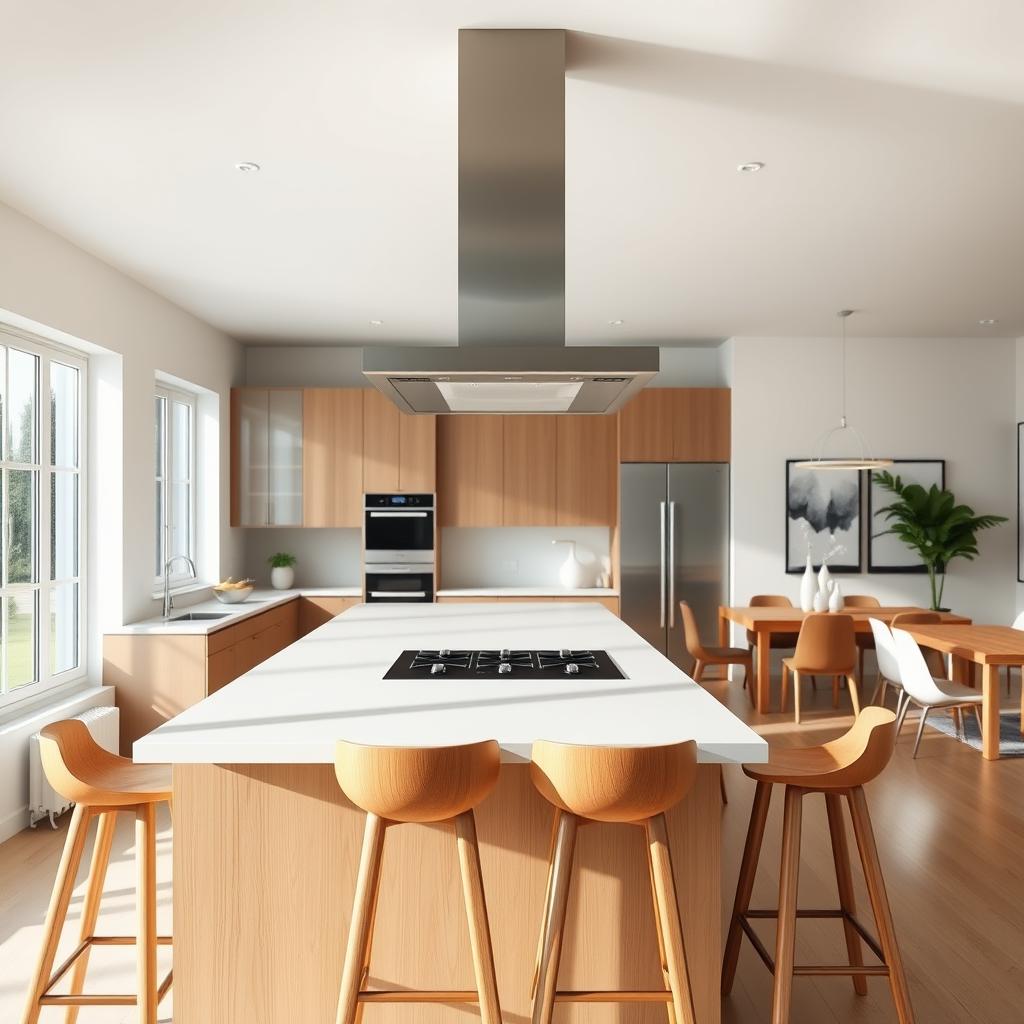
I remember the first time we renovated a downtown loft and realized how cooking smells drifted through every room. That moment taught me that a beautiful layout needs performance behind it.
We help you balance form and function so your space feels fresh, comfortable, and cohesive while you cook and entertain. A properly sized range hood—matched to your range and the room’s volume—removes grease, steam, and odors effectively.
Signs you need better airflow include a greasy film on surfaces, lingering smells, or mold from steam. We explain how ducted, ductless, and downdraft options compare and how placement, CFM, and finishes affect both performance and color harmony in your plan.
Visit https://zovehomes.com/kitchen/ to explore solutions, inspiration, and a fast quote. Together, I’ll guide you so your kitchen designed vision works from day one.
Key Takeaways
- Range hoods are the most effective way to clear air or filter it when ducting isn’t possible.
- Choose a hood width that matches your cooktop and CFM that clears the room.
- Watch for grease film, persistent odors, and humidity as signs of poor performance.
- Compare ducted, ductless, and downdraft options to match your design and needs.
- Plan hood placement and finishes early so functionality complements your colors and cabinetry.
Why Open-Concept Kitchens Need Smarter Ventilation Today
Smoke, grease, and odors travel fast in shared spaces, and they demand a smarter approach. Cooking releases particles and gases—like carbon monoxide, carbon dioxide, and nitrogen dioxide—that can move into the living and dining areas if not captured at the source.
Early warning signs include a greasy film on cabinets, persistent smells, mold from trapped steam, and rising energy bills as HVAC systems struggle to compensate. These issues can worsen indoor air quality and trigger respiratory or allergy-like symptoms.
Opening windows can create helpful cross-breezes when a hood or proper vent isn’t available, but it’s a basic stopgap. A purpose-built range hood and supporting components reliably remove the bulk of airborne byproducts across the entire space.
- We outline which pollutants travel and why they spread more easily in shared living zones.
- I explain how a properly chosen range and hood protect indoor air quality throughout the home.
- When you’re ready, we can evaluate your layout and recommend the right approach at https://zovehomes.com/kitchen/.
Assessing Your Cooking Style, Space, and Constraints
Before we pick equipment, we start by watching how you actually cook in your home. That helps us match real use to system sizing and avoid over- or under-building performance.
Heat, smoke, and grease: identifying your real-world load
Tell us whether you simmer daily or sear and fry frequently. High-heat, multi-burner use creates much more grease and smoke than casual cooking.
We quantify intensity so the fan and ducting clear the air without wasting power or adding noise.
Rental, condo, or single-family: what’s feasible
Rules and access matter. Condos may limit exterior runs, rentals can block permanent changes, and houses usually allow more options.
- Measure ceiling height and cooktop width to anchor capture and mounting height.
- Map island location and adjacent living space to see airflow paths.
- Note noise tolerance, cleaning habits, and whether you’ll want to pick range and hood as a matched pair.
Gather appliance sizes, photos, and constraints, then contact us for tailored recommendations. See our kitchen layout ideas or compare models with this kitchenette vs kitchen guide before you reach out.
Core Options: Ducted Range Hoods, Ductless Hoods, and Downdraft Vents
A practical hood choice balances capture performance, maintenance, and where you can run ducts in your home.
When ducted vent hoods are the best choice
Ducted range hood systems exhaust contaminated air outdoors and remove grease, steam, and gases most effectively. They shine when an exterior path is feasible and you want the best air quality for an island or wall-mounted setup.
How ductless range hoods and charcoal filters work
Ductless range hoods filter and recirculate air using charcoal and mesh. They work well where ducts aren’t possible, but charcoal filters clog and need scheduled replacement to stay effective.
Downdraft systems for islands and tight spaces
Downdraft vents pull air at the cooktop surface and are useful for islands or low ceiling clearance. Many are ductless and offer decent capture for light to moderate cooking, but they can struggle with high-heat searing compared to overhead hoods.
- Performance: Ducted range hood solutions remove the most contaminants when an exterior run is realistic.
- Maintenance: Ductless units need charcoal swaps; check intervals based on use.
- Fit: Match hood and kitchen range width to the cooktop for proper capture area.
- Finish & controls: Compare filter types, fan speeds, and stainless steel options to pair with a steel range.
If you’re unsure which option fits your layout, compare models side-by-side and get planning help at our curated selection.
Designing for Capture and Containment in Open Rooms
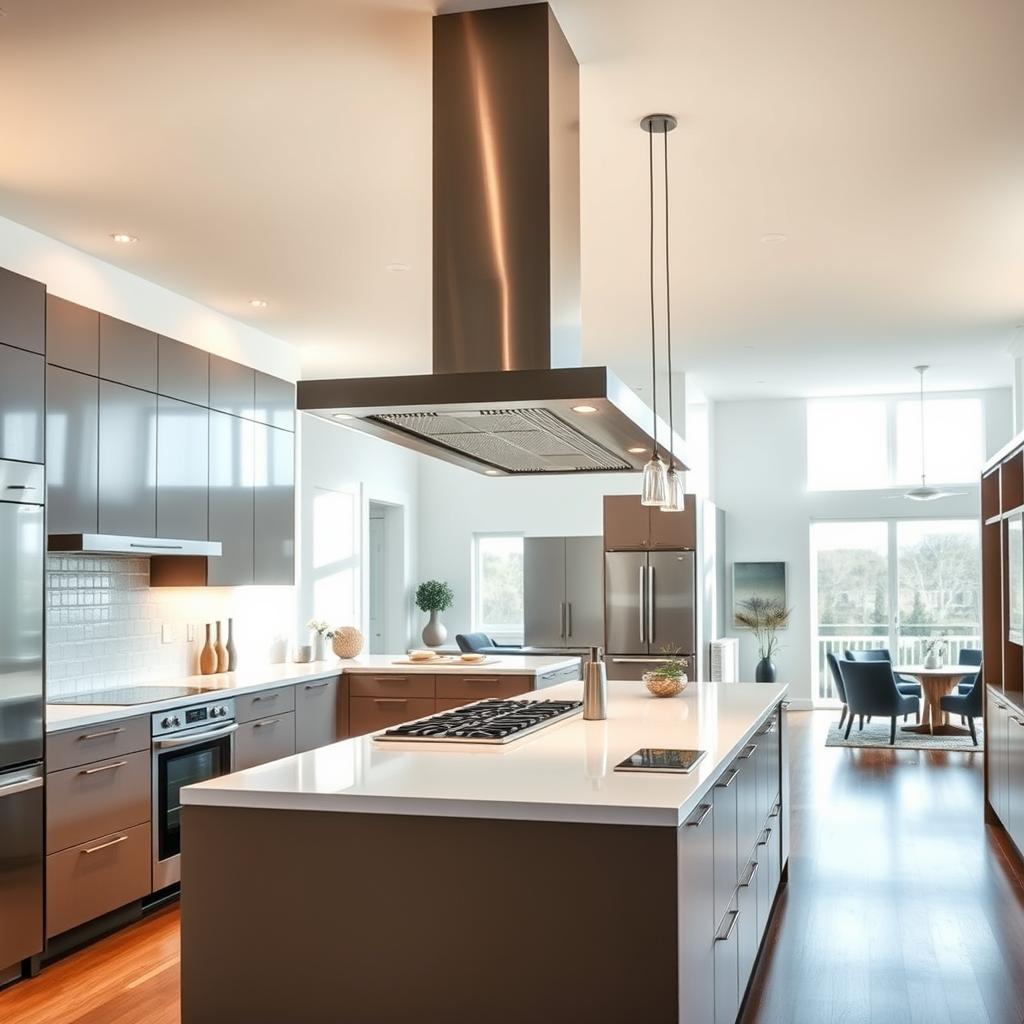
Effective air capture depends on precise sizing, smart placement, and attention to how supply air moves through a room. In shared layouts, a hood must work with the home’s airflow—not fight it.
Sizing the hood to the cooktop and allowing overhang
Size matters: we recommend a hood that overhangs the cooktop by several inches on each side. That extra capture area stops smoke and steam before they drift.
For islands, increase the overhang and confirm CFM so the range clears the typical loads for your cooking style.
Managing cross drafts from windows, fans, and foot traffic
Cross drafts from windows, ceiling fans, or people walking through the space break containment. Keep supply diffusers away from the hood path and limit strong air jets near the cook zone.
Balancing supply air and make-up air in shared living areas
Make-up air matters: a balanced supply prevents negative pressure that reduces hood capture and raises noise or drafts. We tune exhaust and supply so the room stays thermally comfortable and quiet.
- We size overhang and CFM to match your range and island placement.
- We share simple fixes for drafts and diffuser locations.
- We advise on trim, cabinetry, and color to blend a higher-performance hood without dominating sightlines.
Want it right the first time? We can size and spec everything correctly at https://zovehomes.com/kitchen/.
Performance Specs That Matter: CFM, Noise, and Placement
Matching fan power to your actual cooking and the room size keeps air clear without excess noise. We size CFM to how you cook and the volume of the space so the fan runs where it needs to, not at full blast all the time.
Choosing the right CFM for your cooking and room volume
CFM matters: higher CFM clears heavy searing and multi-burner use, while lower CFM suits light daily cooking.
We calculate required CFM from room volume and cooking intensity to avoid under- or over-ventilating. Share your dimensions and cooktop width and we’ll propose the right CFM and blower at https://zovehomes.com/kitchen/.
Mounting height, island vs. wall, and ceiling considerations
Mount the hood to match the range and sightlines. Wall units sit differently than island models and ceiling height changes capture effectiveness.
For islands, allow extra overhang and watch for cross drafts. A properly sized hood should match the cooktop width so the plume lands inside the capture zone.
Variable speed and demand-controlled ventilation to tame sound
Variable speed controls cut noise by matching airflow to actual need. Demand-controlled systems step up only for heavy cooking and stay whisper-quiet otherwise.
- We size CFM by cooking intensity and room volume to prevent wasted power.
- I explain ideal mounting heights for wall vs. island placement and ceiling effects.
- Variable speeds and demand control reduce sound during light use and provide power for searing.
- We match cooktop width to hood width so capture actually covers the plume.
- Duct sizing and shortest-run routing are key to quieter, more efficient hoods.
- Island setups trade more exposure to drafts; we offer design tactics to compensate.
Share your room dimensions and appliance sizes and we’ll right-size the range, hood, and acoustic strategy for your project at https://zovehomes.com/kitchen/.
kitchen ventilation open concept: Step-by-Step Planning
https://www.youtube.com/watch?v=tPqRPU_C9Uo
Start your project by drawing the room and tracing how air moves between the cook zone, dining, and living areas.
Map airflow paths across kitchen, dining, and living zones
We sketch supply registers, windows, and typical foot traffic to spot drafts and heat pockets. This simple map shows where capture will succeed or fail.
Select a hood type, then confirm duct path and terminations
I help you pick range hood or downdraft types that match how you cook. Then we confirm a clean duct path, shortest run, and outside termination for best performance.
Integrate make-up air and comfort goals from the start
Make-up air prevents negative pressure that reduces capture and makes the room uncomfortable. Include this in the design so fixes aren’t forced later.
Finalize finishes that match cabinetry, colors, and tiles
We align finishes so the hood and range blend with cabinetry and tile. For islands, we check sightlines and proportion to keep the living area cohesive.
- Sketch airflow and note problem areas.
- Pick range hood type and verify ducting.
- Plan make-up air and comfort targets.
- Lock finishes, schedule installs, and arrange inspections.
Ready to start? We’ll turn your plan into a detailed spec and timeline at https://zovehomes.com/kitchen/.
Comfort First: Make-Up Air, Temperature, and Humidity Control
Comfort in a shared cooking and dining area starts with balanced air, not just a powerful fan. In our designs we plan make-up air alongside capture so the space stays stable and safe.
What make-up air does and why open rooms need it
Make-up air replaces the volume your hood exhausts and keeps pressure steady. That improves capture, prevents backdrafts, and protects combustion safety for gas appliances.
Dedicated Outdoor Air Systems (DOAS) for shared spaces
DOAS units supply fully conditioned air for temperature and humidity control across the living and dining areas. They can replace multiple RTUs and reduce roof clutter while delivering quiet, precise comfort.
Coordinating with existing HVAC and dining area RTUs
- We balance exhaust and supply so the HVAC and hood work together.
- DOAS features like 16:1 burner turndown and digital scroll cooling translate to fewer hot/cold spots.
- We size make-up air for island and range heat loads and for everyday cooking patterns.
Ready to integrate comfort-first ventilation? Let us evaluate your home and design an integrated plan at https://zovehomes.com/kitchen/.
Sound Management in Open-Concept Kitchens
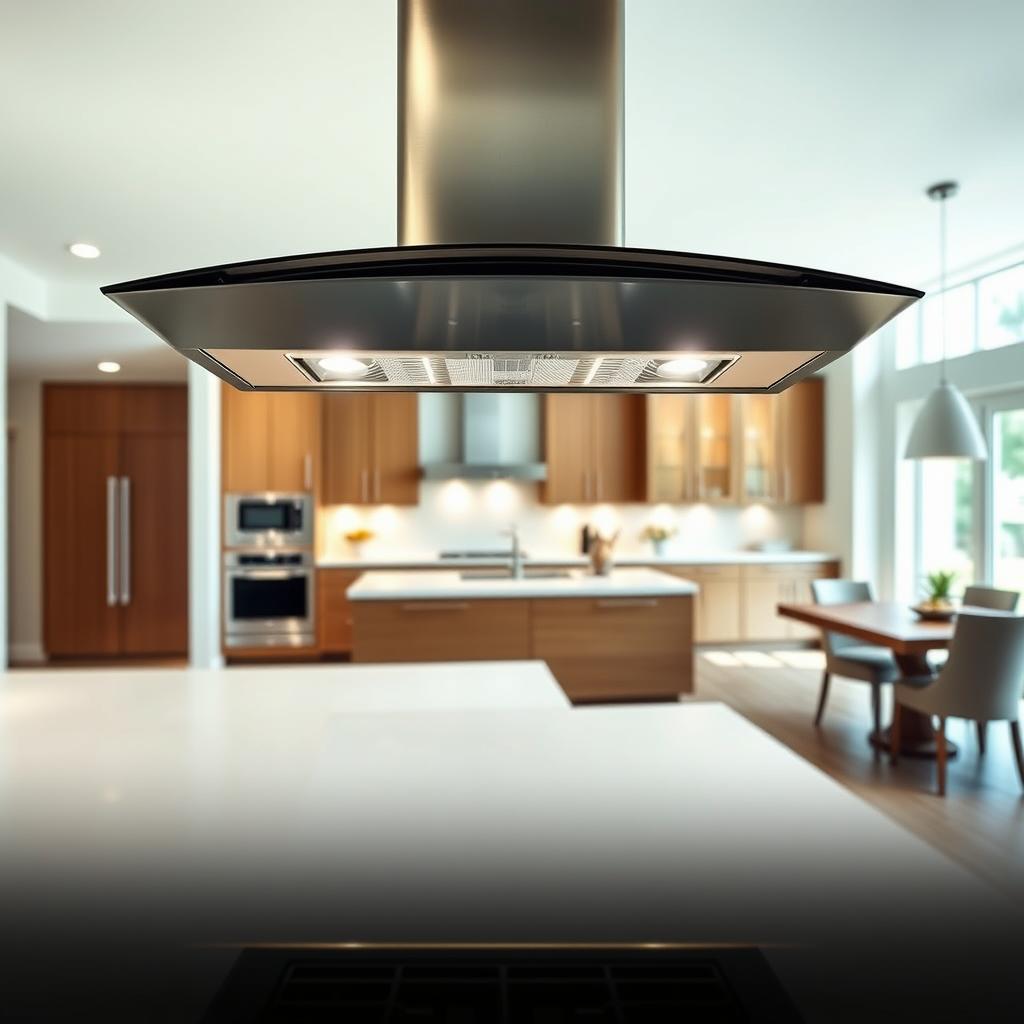
Noise from powerful cooktop fans can turn a social dinner into a distraction if we don’t plan for it.
We focus on practical, low-noise solutions that keep performance high. Demand controlled kitchen ventilation (DCKV) is a smart way to cut background sound by slowing fans during light use and giving full power only when needed.
Quieting airflow with DCKV and low-sound components
DCKV adjusts speed to match cooking load so the fan rarely runs at max. Pair it with low-sone condenser fans and vibration gaskets to reduce hum and rattle.
Locating fans and lining ducts to reduce dining-room noise
Remote blowers move the loudest components away from living areas. Lined ducts, larger-radius fittings, and smooth routing cut turbulence at the source.
- We show the best way to use DCKV for quieter operation.
- I specify remote blowers, duct lining, and strategic fan placement.
- We size fittings and add gaskets to stop vibration around an island or wall hood.
- We balance supply and exhaust to prevent roaring at registers and the hood throat.
Want a quiet, high-performing system? We can spec components and routing for your range and range hood—start at https://zovehomes.com/kitchen/.
Style-Forward Range Hood Ideas That Work in Open Spaces
Choosing a hood is as much about proportion and finish as it is about airflow and power. We showcase practical range hood ideas that lift a room while delivering capture where it matters.
Minimal and concealed covers hide the hood inside cabinetry for a clean run. Designers like Rill Architects and Summer Jensen used panel-matched enclosures and minimal overhangs to keep tiles and cabinets in focus.
Statement metals make the hood a focal point. Polished copper, unlacquered brass, and stainless steel pair with a steel range or contrast black cabinets for rich color and aged patina.
- Barrel and angled profiles work with low ceiling or sloped ceilings while staying proportionate to the kitchen range.
- Ceiling-height designs remove awkward gaps and tie shelving, windows, and an island into one language.
- Straps, reclaimed wood, and tile-to-ceiling runs connect the hood to surrounding cabinetry and surfaces.
Bring photos and a palette and we’ll help you specify finishes and finalize hood ideas. Browse inspiration and pick finishes with us at ZOVE Homes or check a related storage idea at cheap but chic storage ideas.
Maintenance and IAQ Enhancers for Cleaner Air
Small habits—like timely filter swaps and monthly wipe-downs—protect air quality and extend equipment life. We focus on simple, repeatable tasks that keep your range and hood working well without a lot of fuss.
Filter care and grease control
Clean baffles and mesh every 1–3 months depending on use. Recirculating fans rely on charcoal filters that clog with grease; follow the manual and replace them on schedule to keep capture performance steady.
Supplemental tactics for immediate relief
Opening multiple windows creates a draft that helps when you cook heavily. Ceiling fans move air if you need quick circulation. HEPA purifiers remove >99% of particles, but note filter life varies by model.
Grease and surface routines
Use splatter screens and a monthly surface wipe to stop grease film from building on cabinets and counters. These small moves save a lot of cleaning time later.
- We show when to clean or replace charcoal and mesh so your range hoods remain effective.
- I recommend a monthly wipe-down to protect nearby surface finishes.
- Compare HEPA units and sizing with resources like 10 strategies for enhancing indoor air.
Plants that help: snake plant, English ivy, and spider plant add green and low upkeep that supports healthier air. Ask us for a customized maintenance calendar matched to your cooking and family patterns at https://zovehomes.com/kitchen/.
Retrofit and Rental-Friendly Ventilation Ideas
Small, smart upgrades can cut smoke and odors without invasive work or permanent changes. For renters and condo owners, reversible choices protect your lease while improving daily comfort.
Recirculating hoods and portable air purifiers
Recirculating range hood units install under cabinets and re-use charcoal filters when ducts aren’t allowed. Replace charcoal on schedule to keep them effective.
Portable HEPA purifiers sized to your kitchen space capture >99% of particles when filters are changed regularly. They are a fast, plug-and-play option for smoke and odors.
Window strategies and temporary downdraft options
Use opposing windows and an exhaust-mode window fan to create reliable cross-flow. One well-placed opening plus a fan moves air in the right direction.
Temporary downdraft systems fit islands and tight spaces where overhead hoods aren’t feasible. Many are ductless and reversible at move-out.
- Tenant-friendly options: low-profile vent hood kits and magnetic filters that remove cleanly.
- Portable HEPA units matched to your space and cooking habits.
- Short-term downdraft or under-cabinet installs that respect building rules.
Need a fast plan? We’ll tailor a reversible, high-impact option and advise on range and hood choices. Book a brief consult at https://zovehomes.com/kitchen/.
Your Next Step: Get Expert Kitchen Ventilation Design Help
Ready to move from planning to a tailored build that keeps your living spaces fresh and elegant? We make the process simple and focused so your addition looks great and performs reliably.
- Discover open-concept kitchen inspiration and real-world hood kitchen solutions curated by our team.
- I’ll help you pick range hood models and matching components for your cooking style, island layout, and cabinetry finishes.
- Receive a personalized design: specs, duct routing, make-up air, and coordination with trades and inspections.
We handle the details so installation is smooth from first sketch to final handoff. That includes timelines, permit coordination, and on-site checks that protect your living areas and finishes.
Start now: Explore inspiration, compare products, and get a tailored plan — visit https://zovehomes.com/kitchen/ to request options and get a fast, accurate quote for your home.
Conclusion
A focused plan that balances power, noise control, and finishes delivers a lasting improvement to your home’s daily routine.
The best way to succeed is to match performance to how you cook, control sound, and integrate finishes that suit your color kitchen and island layout.
Take the time to assess loads, map airflow paths, and right-size the range and hood so surfaces stay cleaner and your family breathes easier.
We’ve guided countless kitchens from idea to install and will turn your plan into reality. When you’re ready, we’re here to plan and deliver a quiet, powerful system that looks great—start at https://zovehomes.com/kitchen/.


