

Have you ever wondered whether a single misstep during a renovation can change your whole home?
We believe safety starts with a clear plan. A simple layout helps us map tools, materials, and staging. It also shows where to protect perishables and set up a temporary cooking area.
Defining risks up front keeps a project predictable and reduces costly rework. We review local building, electrical, fire, and plumbing codes, and we recommend personal protective equipment like glasses, work gloves, and respirators when dust or fumes are present.
As homeowners, you should also keep children and pets away with barriers, unplug power tools after use, and clean daily to cut slips and punctures. For complex tasks, we advise hiring licensed trades—find guidance on when to enlist pros in this brief guide from expert renovation tips.
To translate design goals into a safer plan and avoid surprises, explore our full expertise and services at Zove Homes kitchen services. We help balance ambition with guardrails so your job stays on track.
Key Takeaways
- Start with a clear design sketch to prevent rework and delays.
- Plan ventilation, PPE, and daily cleanup to reduce airborne and trip hazards.
- Secure a temporary cooking setup and keep perishables protected.
- Follow local codes and call licensed trades for high‑risk tasks.
- Use tool checks and staged sequencing to keep the job predictable.
Understand Search Intent and Set Expectations for a Safe Kitchen Remodel
Before you pick paint or fixtures, it helps to understand what this type of project really asks of you. As homeowners, you want plain-English guidance that translates design choices into real tasks and limits. A clear brief saves time and prevents surprises.
Searchers expect simple rules about what a confident homeowner can handle and what needs a licensed trade. We explain how interior design choices — appliance layout, lighting circuits, and ventilation — change the job scope and affect code compliance.
When to follow this guide vs. when to call a pro
- Do: painting, cabinet hardware swaps, and small cosmetic updates you can practice on scrap.
- Call a pro: electrical panel work, gas lines, load‑bearing changes, or hidden water damage.
- Plan: set goals, add budget buffers, and map inspection dependencies so the work flows.
We recommend a staged approach that limits risk and protects warranties. For help scoping contractors and deeper planning, see our guide to find affordable contractors and visit our planning hub at Zove Homes kitchen planning to align expectations and schedule the right way.
Plan the Work: Layout, Workflow, and a Safe Step‑by‑Step Process
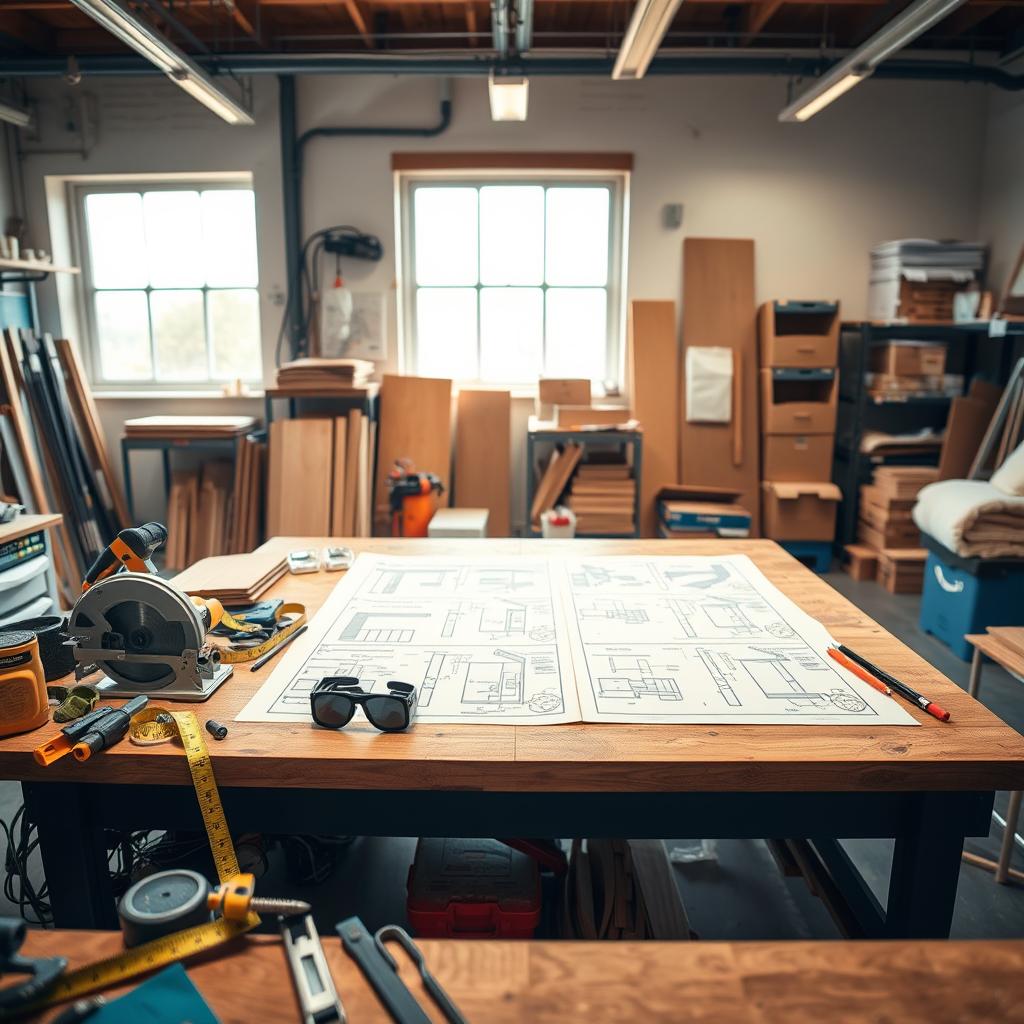
Mapping the space and sequence before you start prevents most everyday problems. Start with a scaled sketch so the design and step process are clear and repeatable.
- Blueprint the job. Mark appliances, outlets, and shutoffs, then list tools and materials for each task so every step moves smoothly.
- Stage and clear movement. Assign staging spaces for deliveries and debris. We make sure walkways, exits, and hallways remain unobstructed with at least 36 inches for paths.
- Plan clearances and storage. Set 42–48 inches for cook zones, check door swings, and allocate storage so equipment and boxes don’t block work areas.
- Sequence with realistic timing. Build a day‑by‑day timeline that allows cure and dry time for paint, adhesives, and grout. Assign a site manager to confirm cord routing, ladder footing, and daily cleanup.
- Protect routines and contingencies. Pre‑stage a temporary kitchen with fridge and microwave, stock consumables, and add schedule buffers for inspections or delivery delays.
If you’d like a pro to review sequencing or suggest improvements, reach out via https://zovehomes.com/kitchen/.
Codes, Permits, and Insurance: The Safety Rules You Can’t Skip
We treat codes and paperwork as part of the job’s foundation. Good documentation protects your home value and reduces long-term risk. Start by confirming local building, electrical, plumbing, and fire code requirements so the scope of your remodeling is clear.
Local codes to review
Check outlet spacing, GFCI near water, dedicated appliance circuits, and plumbing venting and pressure rules. These rules prevent shocks, fires, leaks, and structural problems.
Permits and inspections
Obtain required permits (electrical, plumbing, building) and sequence inspections before closing walls. Keep permits and sign‑offs with equipment manuals for resale and insurance needs.
Insurance and warranty pitfalls
Unpermitted remodeling can fail inspections, void insurance claims, and cancel warranties. We appoint a compliance manager to track submittals and inspection dates and to make sure manufacturer installation requirements are met.
- Confirm permits early.
- Sequence inspections into the project schedule.
- Budget fees and lead times so compliance doesn’t stall work.
For help aligning your kitchen remodel scope with local code and inspection timing, visit https://zovehomes.com/kitchen/.
Set Up a Safe Home and Family Zone Before Demolition
Before the sledge hits the wall, plan a clear family zone that keeps daily life calm. We outline simple steps to protect food, create a temporary food prep area, and keep children and pets away from the active job site.
Create a temporary cooking area and protect perishables
We carve out a mini station with a fridge, microwave, and an induction burner so meals stay routine when the main kitchen is offline. Prioritize refrigerator access and designate a snack bin for quick mornings.
Use disposable plates while the sink is disconnected, and label bins by meal type to speed morning routines. If space is tight, ask friends or neighbors for temporary stove or sink access for short stretches.
Keep kids and pets out of the job site with barriers and routines
Install swing gates or zip walls to separate dusty spaces from living spaces. We set quiet hours for naps and daily hazard sweeps so curious hands and paws stay clear.
- Line travel paths with ram board and sticky mats to trap dust and protect floors.
- Add a window fan exhausting outward during odor peaks and coordinate crossflow with open doors.
- Schedule demolition when family members can be away or in closed rooms to reduce exposure and noise.
For family‑friendly phasing ideas and temporary layouts, explore our guide to short‑term solutions and planning at keeping kids safe during a home and check layout inspiration at top kitchen and bathroom ideas.
Personal Protective Equipment: Your First Line of Defense

We start every project by assembling a PPE kit. A compact set of gear reduces risk and helps you build skills without fear. Place this kit at the entry to the work area so wearing protection becomes routine.
Safety glasses, respirators, ear protection, and work boots
The one thing we never skip is eye protection. ANSI‑rated safety glasses shield the eye from chips, dust, and splash during cutting and sanding.
For fumes and fine particulates, choose a respirator with the correct cartridges and confirm a proper seal. Noise‑reducing ear protection and steel‑toed work boots protect hearing and feet when using power tools.
Gloves, clothing, and hair safety around power tools
Match gloves to the task: cut‑resistant for demolition, chemical‑resistant for stripping, and snug nitrile for paint work. Avoid baggy clothing, tie back long hair, and remove jewelry so nothing can catch in a rotating power tool.
Match PPE to tasks: painting, sanding, cutting, and demolition
- Painting & rolling: goggles for overhead work and covers to protect skin.
- Sanding & refinishing: respirator with P100 filters and vacuum‑equipped sanders to limit dust.
- Cutting & demolition: impact‑rated eyewear, long sleeves, knee protection, and stable boots.
We inspect gear often—cracked lenses or worn soles get replaced immediately. Find our checklist and gear guide at https://zovehomes.com/kitchen/ to build your PPE kit before day one.
Job Site Management: Keep the Area Clean, Ventilated, and Organized
https://www.youtube.com/watch?v=9HhigxwRChw
Keeping the work area tidy and ventilated prevents small problems from becoming big ones. We act as our own site manager by scheduling two housekeeping windows per day—midday and end‑of‑day—so the job site never becomes a maze.
Daily cleanup habits to reduce trips, slips, and punctures
Pick up offcuts, screws, and small pipe pieces immediately. Coil and wrap cords and store tools in cases so nothing gets buried under dust.
We make sure ladders, hoses, and vac hoses are routed outside primary walk lanes to preserve clear space for moving cabinets or appliances.
Ventilation strategies for paint, stains, and adhesives
Open opposite windows and position a box fan to exhaust fumes outward. Use a second fan as intake from a clean side if needed.
Fumes can cause headaches or lightheadedness; monitor how you feel and increase airflow or pause the task if symptoms appear.
- Keep a sweep kit (magnetic sweeper, broom, shop vac) at the doorway.
- Unplug and store power strips off the floor after work.
- Separate clean and dirty zones with drop cloths and sticky mats.
- Label waste streams (metal, wood, general) to avoid loose nails and blades.
Use our downloadable daily checklist at https://zovehomes.com/kitchen/ to keep housekeeping and airflow on track.
Kitchen Remodel DIY Safety: Tools, Blades, and Guards
Before you make the first cut, confirm the tool, the guard, and your footing are all correct. Small checks at the bench keep routine work from becoming a serious incident.
Use the right tool and keep guards in place
Match the tool to the task. Never use a chisel as a pry bar or a drill as a hammer. Improper use converts convenience into dangerous power and raises the chance of injury.
Inspect power tools; avoid damaged cords, blades, and housings
We start every session with a quick inspection. Don’t use broken tools—replace cracked handles, chipped blades, or frayed wires. Tag out damaged gear and swap in serviceable items before the first cut.
Sharp beats dull: maintained knives and saws cut safer
Sharper blades need less force and reduce kickback. Change saw blades early, sharpen knives often, and oil bits after use. Store blades in cases so they stay sharp and don’t injure hands between projects.
Stable footing and ladder tips when using a circular saw
For a circular saw, set depth just past the stock, clamp the work, and plant both feet on stable support. Never step over boards while cutting and keep your eye on cord placement so hands stay away from the cut line.
- Use auxiliary fences, push sticks, and featherboards to keep fingers clear.
- Practice cuts on scrap to build skills before touching finished pieces.
- After work, clean, oil, and store blades and bits; visit https://zovehomes.com/kitchen/ for our vetted tool list and maintenance schedule.
High‑Risk Systems: Electrical, Plumbing, and Structural Cautions
When systems and structure meet, careful planning keeps a good design from becoming a disaster. We treat electrical feeds, drain lines, and framing as work that demands checks before any cut or chase.
Dedicated circuits, GFCI placement, and load limits
We map existing circuits and label breakers so major appliances have dedicated feeds. Undersized wire or overloaded breakers create a real risk and fire hazard.
We place GFCI protection near sinks and wet zones and confirm correct line/load wiring to make sure outlets protect people. Verify box fill and conductor size before closing walls.
Plumbing basics: venting, pressure, and leak prevention
Good plumbing routing prevents slow drains and hidden leaks that rot cabinets and finishes. We check vent paths and pressure regulation to reduce long‑term problems.
Where drains move or vents change, add access panels for service and document locations with photos for future owners.
Hidden hazards in walls: avoid structural and systems damage
Walls hide electrical, plumbing, and HVAC runs. We scan with inspection cameras and stud finders and never alter a suspected load‑bearing wall without engineering.
- Map circuits; confirm dedicated breakers for ranges and fridges.
- Verify wire gauge, box fill, and correct GFCI wiring.
- Open walls carefully; use cameras before cutting and add access panels where useful.
If you’re unsure about circuits, venting, or load‑bearing elements, schedule a pro consult via https://zovehomes.com/kitchen/ before proceeding on your kitchen remodel or broader home remodel project.
Pace Yourself: Time, Fatigue, and Safe Weekend Workflows
A steady rhythm beats a sprint: plan your hours so the job finishes well, not just fast. We schedule focused blocks with planned breaks so fatigue doesn’t erode judgment or grip strength.
Drink water, eat balanced snacks, and set a timer for regular pauses. Warm up before heavy lifts, bend with the legs, and rotate tasks to lower repetitive strain during projects.
Rushing raises risk. When you must stop, follow a clear shutdown process: cover blades, coil cords, stow loose hardware, and remove trip hazards. Leave a short note for the next session about what’s live, what’s drying, and what measurements are pending.
- We schedule breaks and hydration so energy stays steady across work periods.
- Assign a shutdown manager—even if that’s you—to confirm power off and materials secured.
- Call friends for heavy lifts to protect backs and speed the job safely.
- Add buffer time for inspections and lead times so the calendar won’t force unsafe choices.
Use our pacing checklist to plan breaks, end‑of‑day shutdowns, and safe pause points. End each day with a 10‑minute sweep and a final checklist—small safety precautions compound into major protection over a long project.
Conclusion
When design, sequencing, and disciplined work come together, your home wins.
Kitchen remodeling and construction succeed when plans tie design and safety into one living document. We urge steady pacing, sharp blades and guards, and well‑maintained tools so each job day is predictable.
Permit compliance, proper ventilation, and clean workspaces protect your investment and resale value. Ask friends for help with heavy lifts and make sure complex electrical or plumbing work is handled by pros.
Ready to plan a safer, smarter remodel? Explore our planning resources and request help at Zove Homes kitchen services, and see practical tile installation tips for related projects.


