

I still remember the first time I preheated an oven from the car and walked into warm bread and quiet calm. That moment reshaped how I think about home life and food prep. We bring that same clarity to homeowners who want smarter routines without losing style.
Smart kitchens blend connected devices, intuitive software, and elegant design to save you time and reduce daily stress. Brands like Samsung, Bosch, and Miele support remote access and reliable service, so your appliances work when you need them.
Expect immediate benefits: automated programs that follow recipes, steamed or precise cooking for healthier meals, and fridges that track inventory to cut waste. We’ll show how to start small—one high-impact appliance—and expand with confidence.
Explore expert advice and more inspiration on our main page at our kitchen guide, or see styling tips at kitchen decor ideas.
Key Takeaways
- Connected appliances give remote control and guided modes for easier cooking.
- Automated features save time and help you cook healthier meals.
- Inventory-tracking fridges reduce food waste and help plan meals.
- Start with one or two devices to avoid overwhelm and scale up.
- Top brands offer wide compatibility and dependable service networks.
What is a smart kitchen and how does it work today?
Today’s connected kitchens bring appliances, sensors, and apps together so cooking becomes faster and less wasteful.
Clear definition: A smart kitchen is a connected ecosystem where smart appliances, IoT sensors, and software collaborate to automate tasks and inform better food decisions with real-time data.
Core components that power modern cooking
Key parts include ovens with precise temperature and humidity sensors, refrigerators that track inventory and expiry, and dishwashers that optimize water and energy use.
Connectivity via Wi‑Fi or Bluetooth links devices to mobile apps and in-appliance touchscreens. Software and AI analyze usage to automate preheating, adjust cook times, and suggest recipes that reduce waste.
Hands-free control and everyday convenience
Voice assistants like Alexa, Siri, and Google Assistant let you set timers, start an oven, or check steps without touching controls.
- Data-driven cooking: sensors collect temperature and humidity to keep results consistent.
- Waste reduction: refrigerators suggest meals based on what you already have.
- Remote control: monitor status and get alerts about anomalies to save time and energy.
We link these fundamentals to our service by planning placement and network coverage so devices stay reliable. Learn practical examples and next steps on our guide to kitchen or read industry context at smart kitchens: the gadgets and tech that make life.
introduction smart kitchen: getting started today in the United States
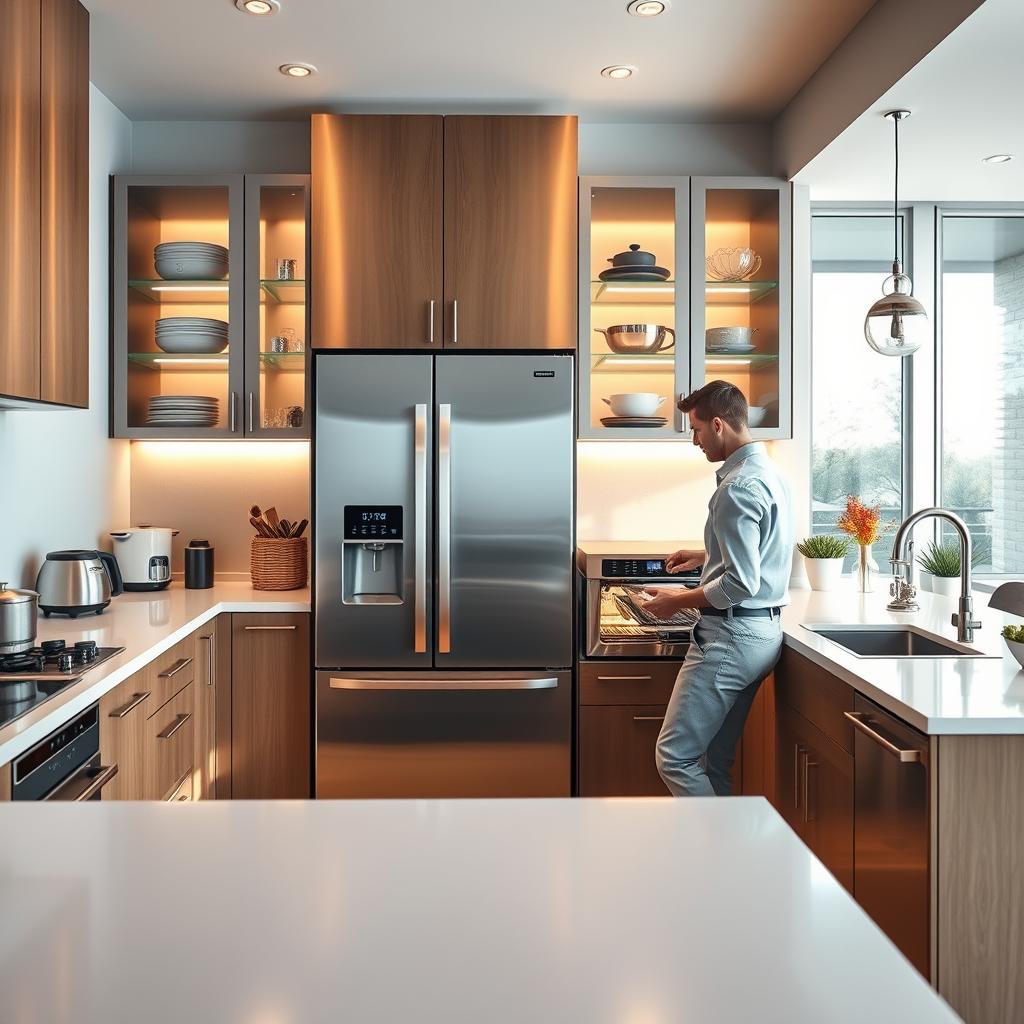
A practical way to adopt modern appliances is to prioritize what saves you the most time each week.
Start with a short priority list: decide if automated programs from a smart oven or inventory tracking in a fridge suits your needs first. Confirm app support on iOS and Android and check that devices work together before you buy.
First steps for beginners: start small, learn the apps, and build confidence
- Choose one or two high-impact appliances — often a refrigerator or oven — so you see results quickly without high cost.
- Plan around real goals (reduce food waste, save time on weeknights, or simplify entertaining) and match gadgets to those goals.
- Secure basic setup with strong Wi‑Fi, simple app onboarding, and optional voice assistant activation for hands-free use.
- Phase purchases to control cost and let your family learn the system before adding more devices.
For a guided start tailored to your home and lifestyle, explore options and next steps at our guided kitchen page or review ideas on modern kitchen design.
Benefits and real-life examples: save time, cut energy use, and reduce food waste
D
Modern upgrades deliver clear benefits that change how you cook and manage food. We see time saved, lower energy bills, and less waste from features that automate routine steps.
Time savings and convenience
Remote control and automated programs let you preheat on the way home and get alerts when stages finish. Guided recipes reduce guesswork and speed prep so you can save time without losing quality.
Energy and cost efficiency
Appliances with usage monitoring and optimized cycles cut energy use and utility costs. Many units send maintenance alerts to keep performance high and avoid unexpected repairs.
Waste reduction and better meal planning
Connected fridges track expiry dates, suggest recipes from on‑hand ingredients, and flag items to use first. These features turn leftover food into dinner and reduce spoilage.
Enhanced safety and reliability
Precise temperature control, sensors, and remote monitoring reduce risk and improve consistency. Real-world examples include ovens that auto-adjust time and temperature and dishwashers that sense load to save water.
- Preheat from your phone and get finish alerts.
- Sensors stabilize oven temps to prevent overcooking.
- Load sensing boosts dishwasher efficiency and cuts water use.
- Inventory tracking lowers food waste and inspires recipes.
For more examples and a tailored plan, see our main page: https://zovehomes.com/kitchen/.
How to plan and design a smart kitchen that fits your space and needs
Good design starts with workflow: place tools where your hands already move. Start by mapping prep, cooking, cleaning, and storage zones so appliances and devices serve daily habits.
Layout, storage, and ergonomics: measure door swings, counter depths, and ventilation gaps. Leave clearances for movement and hidden cable runs to keep the space safe and tidy.
Budget and priorities
Set priorities early—decide whether a smart oven or a connected refrigerator meets your needs first. Expect to budget a bit more up front; energy and food savings often repay that cost over time.
- Map zones to match workflow and hide cables for neat storage and better control.
- Confirm app support (iOS/Android) and cross-device compatibility to reduce friction.
- Plan power and data: dedicated outlets, surge protection, and strong Wi‑Fi coverage.
- Choose energy-efficient models from Samsung, Bosch, or Miele for reliability and sustainability.
Balance aesthetics with function by using panels, trims, and layered lighting so technology blends with design. When you’re ready to plan your layout and priorities, we’re here to help: https://zovehomes.com/kitchen/.
Choosing the right smart appliances: ovens, refrigerators, and dishwashers
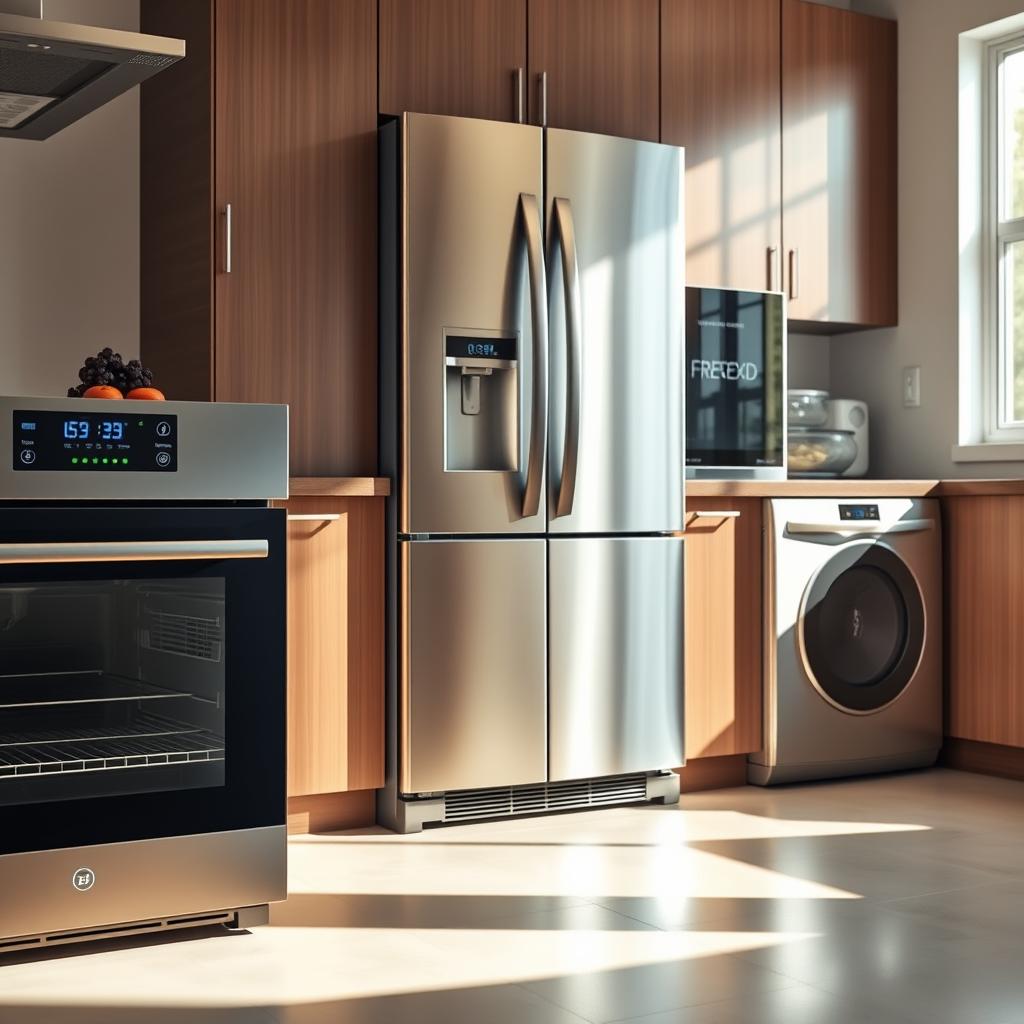
Picking ovens, refrigerators, and dishwashers that match your habits pays off every week. We focus on features that deliver consistent results, save energy, and reduce food waste.
Smart ovens: precise control and recipe-driven settings
Smart ovens use internal sensors to monitor temperature and humidity. That stabilizes cooking and lets the oven auto-adjust time and temperature by recipe.
Look for remote preheat and guided recipes that translate tricky techniques into repeatable settings.
Smart refrigerators: inventory, expiry alerts, and remote access
Smart refrigerators track inventory and send expiry alerts so you waste less food. Remote access to interior cameras helps when you shop.
Prioritize adjustable shelves, humidity drawers, and door bins to match your storage needs.
Smart dishwashers: load sensing, water-saving cycles, and notifications
Dishwashers with load sensing pick efficient cycles that save water and energy without hurting cleaning power.
Choose models that push timely notifications for filters, rinse aid, and cycle completion to keep routines smooth.
- Ovens: precise temperature control, sensor-guided modes, remote preheat.
- Refrigerators: dependable inventory tracking and easy remote viewing.
- Dishwashers: targeted spray zones, load sensing, and status alerts.
Confirm app quality, voice integration, and iOS/Android compatibility before you buy. For curated picks and a tailored shortlist, connect with us at https://zovehomes.com/kitchen/.
Setup, connectivity, and control: Wi‑Fi, apps, and interoperable devices
Set a solid network foundation so apps, voice assistants, and appliances cooperate without friction. Reliable Wi‑Fi and clear account setup make daily control simple and reliable.
Seamless setup: Wi‑Fi pairing, app onboarding, and compatibility
Most devices guide you through Wi‑Fi pairing and app onboarding step‑by‑step. We recommend strong coverage in the kitchen and separate guest networks to secure access.
Confirm iOS and Android support and review permissions during onboarding so everyone in the home can use the apps without delays.
Everyday control: scheduling, voice commands, and personalized settings
Use scheduling to shift cycles to off‑peak hours and boost energy efficiency. Voice commands with Alexa, Siri, or Google Assistant add hands‑free convenience while you’re cooking.
- We help with Wi‑Fi setup, app onboarding, and account permissions so control is available on day one.
- Standardize platforms where possible to ensure devices and appliances coexist smoothly in one ecosystem.
- Enable energy dashboards and notifications for maintenance, filter changes, and firmware updates to reduce downtime.
- Personalize settings for doneness, cycle preferences, and alert types to save time and improve consistency with recipes and ovens.
If you’d like hands‑on help with setup and interoperability, we’re here: https://zovehomes.com/kitchen/.
Conclusion
When design and connected appliances work together, daily tasks become more predictable and calm. We help you automate repetitive steps, lock in precise temperature settings, and simplify choices so meals are better and leftovers get used.
The biggest sustainability wins come from energy‑efficient cycles and expiry tracking that cut food waste. Start with one or two high‑impact gadgets, confirm app compatibility, then add automations as comfort grows.
Focus on reliable connectivity, intuitive apps, and maintenance alerts to keep your space dependable. For a practical example and layout inspiration, explore our kitchen layout ideas.
Ready to plan your smart kitchen with expert guidance? Visit https://zovehomes.com/kitchen/ to schedule a consultation and take the next step today.


