
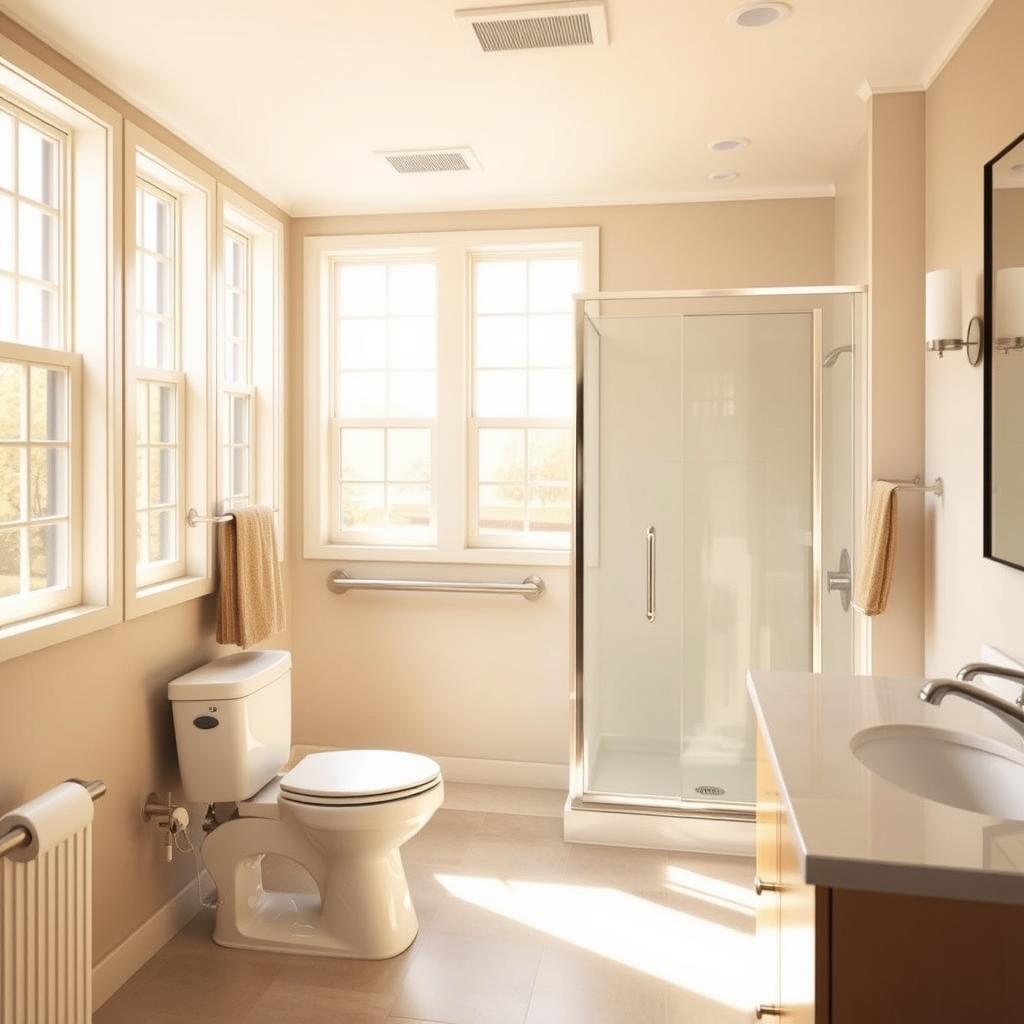
Modifying a home to make it more accessible can be a costly endeavor, especially when it comes to creating an accessible bathroom. According to the Pew Research Center, approximately 42.5 million people in the United States live with disabilities, making assistance for home modifications an essential requirement. At Zove Homes, we understand the importance of creating a safe and independent living space, particularly in the bathroom, where modifications can significantly improve quality of life.
For many homeowners, the cost of home renovations can be prohibitive. However, there are various funding options available to help offset these expenses. By exploring these opportunities, individuals can create a more accessible living environment without breaking the bank. We specialize in accessible bathroom designs and can guide you through the process of securing financial assistance for your renovation project.
Key Takeaways
- Various funding options are available to help homeowners with disabilities modify their homes.
- Federal, state, and local programs offer financial assistance for home modifications.
- Understanding these programs can significantly reduce out-of-pocket expenses.
- At Zove Homes, we can help you navigate the complex world of government grants and maximize your renovation budget.
- Creating an accessible bathroom is crucial for individuals with disabilities or mobility challenges.
Understanding Accessible Bathroom Modifications
Accessible bathroom modifications are not just about compliance; they’re about improving lives. These modifications encompass a range of features designed to improve safety, independence, and usability for individuals with mobility challenges or disabilities.
Common Accessibility Features
Common accessibility features include roll-in showers, grab bars, raised toilet seats, wider doorways, non-slip flooring, accessible sinks, and shower seats. These features can be customized to meet specific needs, enhancing the overall accessibility of the home. At Zove Homes, we can help you prioritize modifications based on your specific needs and budget constraints.
For more information on bathroom remodeling, you can visit our main page.
Average Costs of Accessible Bathroom Remodels
The costs of accessible bathroom remodels vary widely depending on the scope of work. Basic modifications can start around $3,000, while comprehensive renovations can exceed $25,000. Understanding these costs is crucial when planning for home modifications and applying for grants, as many programs have maximum funding limits.
For financing options, consider visiting our guide on bathroom remodel financing to explore how to fund your accessible bathroom remodel.
Federal Government Grants for Accessible Bathroom Remodels
Federal grants can significantly aid in financing accessible bathroom remodels, offering homeowners a crucial financial resource. These grants are designed to support individuals with disabilities, veterans, and low-income homeowners in modifying their homes to improve accessibility and safety.
Department of Veterans Affairs (VA) Programs
The U.S. Department of Veterans Affairs offers several grants to help service members and veterans modify their homes for qualifying service-related disabilities. The Specially Adapted Housing (SAH) grant offers up to $117,014 for the fiscal year 2024 to help modify a home. Additionally, the Special Home Adaptation (SHA) grant provides up to $23,444 for FY2024. These grants are crucial for veterans needing to make significant home modifications, including bathroom accessibility improvements.
USDA Rural Housing Repair Program
The U.S. Department of Agriculture provides Rural Housing Repair loans and grants to rural homeowners with very low income. Grants of up to $7,500 are available to homeowners aged 62 and older, helping them make essential home repairs, including bathroom modifications for accessibility. This program is particularly beneficial for seniors looking to age in place.
HUD Home Modification Programs
The U.S. Department of Housing and Urban Development (HUD) administers several programs through local housing authorities, including the HOME Investment Partnerships Program and Community Development Block Grants. These programs can be used for home modifications, including bathroom accessibility improvements. Homeowners can explore these options by contacting their local HUD office.
By exploring these federal government grants, homeowners can find significant financial assistance for their accessible bathroom remodels. For more information on remodeling your bathroom, visit https://zovehomes.com/best-way-to-remodel-a-bathroom/.
State and Local Funding Options
State and local agencies provide numerous resources for individuals with disabilities, often with less restrictive qualification requirements. The U.S. Department of Housing and Urban Development’s state information list includes housing and homeownership resources for each state, which can be a valuable starting point for homeowners seeking assistance for bathroom modifications.
State-Specific Disability Assistance Programs
Many states offer dedicated grants for home accessibility improvements through their departments of housing, aging, or disability services. For instance, some states have waiver programs, independent living grants, or special needs trusts that can fund bathroom modifications. To find the specific programs available in your state, we recommend researching through the local resources and state government websites.
For example, you can explore programs that provide funding for assistive technology, including chairlifts and bathroom modifications. Some organizations also offer referrals to help individuals navigate the process.
County and City Government Resources
County and city governments frequently administer their own accessibility grant programs, funded through Community Development Block Grants or local tax initiatives. These local programs often provide more personalized assistance and may have shorter waiting periods than federal options, making them excellent resources for urgent accessibility needs.
To access these resources, individuals can contact their local government offices or visit their websites to inquire about available programs and eligibility criteria. Understanding how to navigate both state and local funding sources can significantly increase your chances of securing financial assistance for your accessible bathroom remodel.
Nonprofit Organizations Offering Assistance
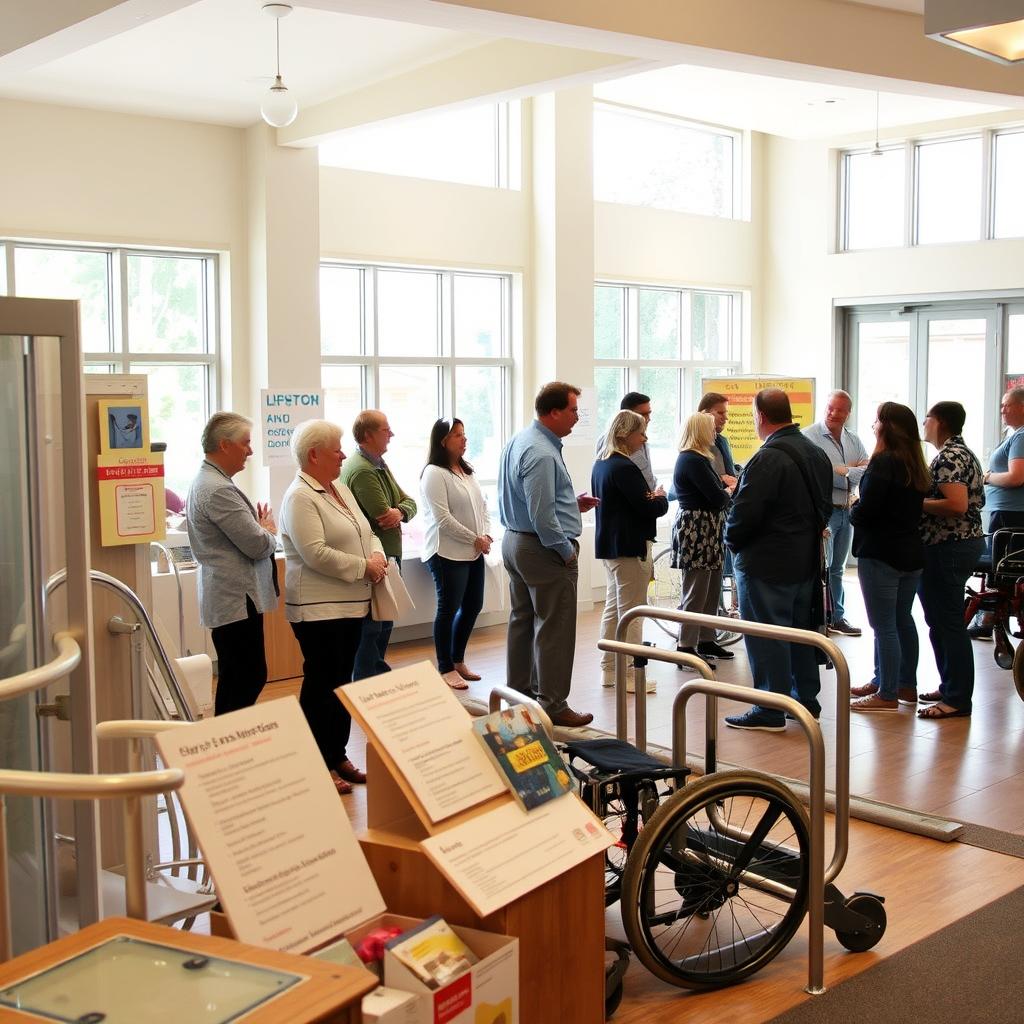
Nonprofit organizations are stepping in to fill the gap in funding for accessible bathroom remodels, offering grants and support to those in need. These organizations play a crucial role in enhancing the quality of life for individuals with disabilities by providing necessary assistance for home modifications.
Rebuilding Together
Rebuilding Together is a national nonprofit organization that works with local affiliates to provide home repairs and modifications for low-income homeowners, particularly seniors and individuals with disabilities. Their efforts include making homes safer and more livable, which can encompass bathroom remodels to improve accessibility. For more information on bathroom remodel costs and trends, you can visit top bathroom remodel Seattle WA cost.
Habitat for Humanity
Habitat for Humanity is another organization that helps disabled homeowners with repairs and modifications that improve accessibility, such as building ramps and widening doorways. Their home preservation programs can include bathroom renovations for eligible homeowners, providing them with a safer and more accessible living space.
Other Nonprofit Resources
Beyond Rebuilding Together and Habitat for Humanity, other valuable nonprofit resources exist, such as the National Disability Institute and Independent Living Centers. These organizations may offer grants or low-cost assistance for accessible bathroom remodels, often combining financial support with volunteer labor to reduce costs. Understanding how to approach these nonprofits and qualify for their programs can open additional avenues for funding your accessibility project.
Eligibility Requirements for Bathroom Accessibility Grants
To access financial support for bathroom modifications, it’s crucial to meet specific eligibility requirements. Various organizations and government agencies offer grants for home repairs, particularly for individuals with disabilities. Understanding these requirements is key to a successful application.
Income Qualifications
Income qualifications are a critical factor in determining eligibility for bathroom accessibility grants. Most programs target low to moderate-income households, often requiring applicants to earn less than 80% of the area median income. This ensures that financial support reaches those who need it most.
- Income limits vary by program and location.
- Applicants must provide financial documentation to prove eligibility.
- Some programs may have additional income-related requirements.
Disability Documentation Needed
Applicants must provide proof of their disability to qualify for bathroom accessibility grants. This typically involves medical documentation or certification from a healthcare provider. The specific documentation required may vary depending on the program.
Required documents may include:
- Medical certifications
- Statements from healthcare providers
- Proof of disability benefits
Homeownership Requirements
Homeownership status is another crucial eligibility factor. Generally, applicants must own and occupy the home being modified. However, some programs may assist renters with landlord permission.
- Proof of homeownership is typically required.
- Some programs have specific requirements for the type of property.
- Renters may be eligible under certain conditions.
Understanding these eligibility requirements early in the process allows homeowners to focus on programs for which they are most likely to qualify, saving valuable time and effort. By meeting the necessary criteria, individuals with disabilities can access the financial support needed for necessary home modifications.
Application Process and Tips

The journey to obtaining government grants for accessible bathroom remodels requires careful preparation and a thorough understanding of the application process. To successfully secure funds, individuals must be well-prepared with the necessary documentation and information.
Required Documentation
To apply for home modification grants, individuals typically need to provide proof of income, homeownership, and disability verification. Gathering these documents in advance streamlines the application process. Recommended documents include tax returns, pay stubs, mortgage statements, and a doctor’s note confirming the disability.
Timeline Expectations
The processing time for grant applications varies significantly between programs. While some may be processed within weeks, others can take several months. Understanding these timelines is crucial for project planning, allowing homeowners to set realistic expectations for their bathroom remodels.
Strategies for Success
To improve the chances of securing grants for home accessibility modifications, applicants should consider applying to multiple programs simultaneously and following up regularly on pending applications. Providing detailed explanations of how the modifications will enhance independence and safety, supported by healthcare provider recommendations, can also strengthen an application.
Alternative Financing Options for Accessible Bathrooms
Exploring alternative financing options is crucial for homeowners who need to make their bathrooms more accessible. When grant funding isn’t sufficient or available, several financing alternatives can help bridge the gap.
Home Equity Loans and Lines of Credit
Home equity loans and lines of credit offer lower interest rates because they’re secured by your home’s value. This makes them attractive for larger bathroom remodeling projects. You can borrow up to 85% of your equity, minus what you owe on your mortgage.
FHA Title I and 203(k) Rehabilitation Loans
The U.S. Department of Housing and Urban Development offers two low-rate home improvement loan options: The FHA Title I loan and the FHA 203(k) rehabilitation loan. The FHA Title I loan program supports home improvements without requiring refinancing your primary mortgage, with loans up to $25,000 for single-family homes. For more information on bathroom remodeling, visit our Seattle bathroom remodeler page.
Personal Loans for Accessibility Modifications
Personal loans provide quick funding without using your home as collateral, though interest rates are typically higher than secured loans. We can help you evaluate which financing option aligns best with your financial situation and the scope of your accessible bathroom project.
Conclusion
Navigating the complex landscape of government grants can lead to significant financial support for accessible bathroom remodels. We’ve covered a comprehensive range of funding sources, from federal programs like VA grants and HUD initiatives to state-specific assistance and nonprofit organization support. Understanding eligibility requirements and preparing thorough documentation are crucial steps in securing financial assistance for your accessibility modifications.
For many homeowners with disabilities, combining multiple funding sources—such as a government grant supplemented with a home improvement loan—creates the most viable path to an accessible bathroom. At Zove Homes, we specialize in designing and building accessible bathrooms that meet both functional needs and aesthetic preferences. We encourage you to begin researching the options most relevant to your situation today, as many grant programs have limited funding that operates on a first-come, first-served basis.
For personalized assistance with your accessible bathroom remodel and guidance on potential funding options, contact our team of accessibility experts at Zove Homes today. You can explore our accessible design options and schedule a consultation on our bathroom remodeling page. Additionally, for inspiration and ideas, visit our gallery of small bathroom renovation before and after projects.


