
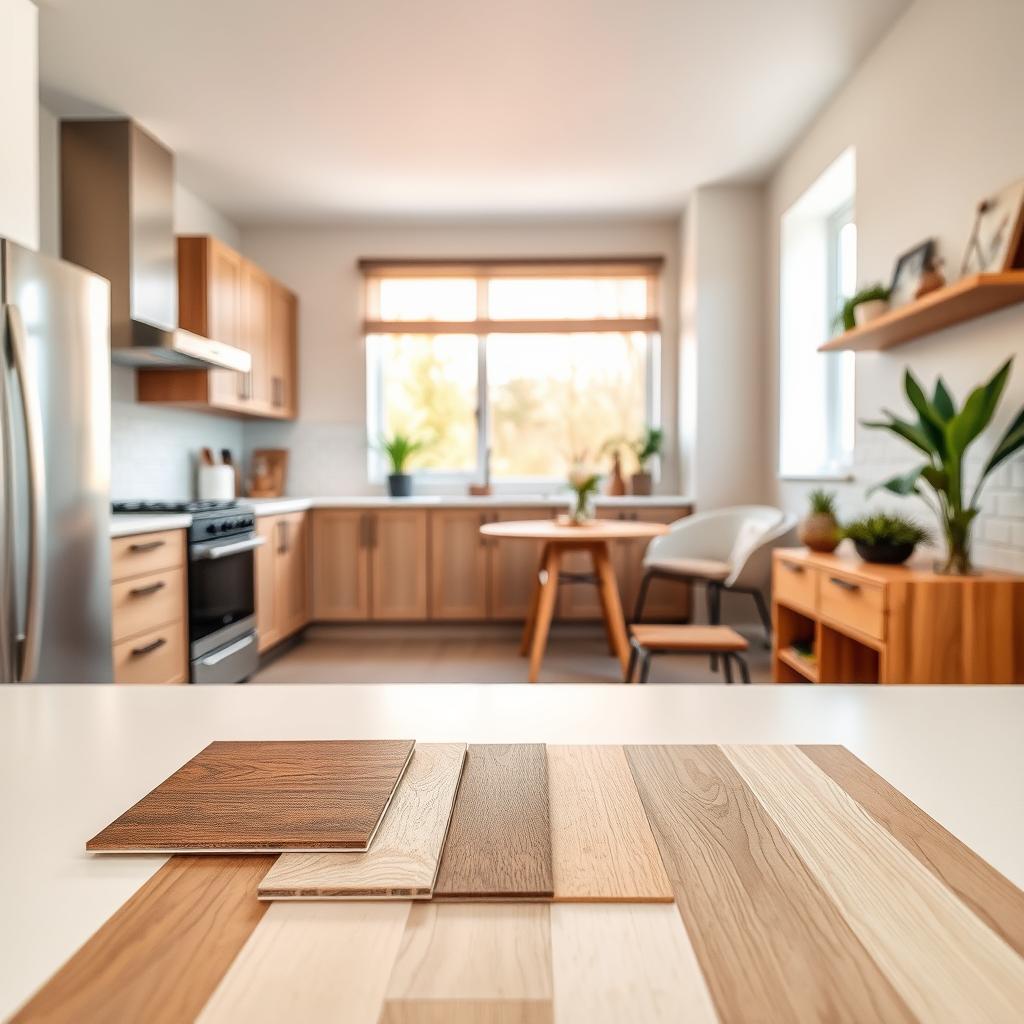
We know the tug between beauty and hard work in a compact cooking space. I still remember the first time I stepped into a narrow galley and felt the floor decide the room’s mood. That memory drives how we guide homeowners today.
Practical choices matter most: durability, water and stain resistance, and easy cleaning top the list for a high‑use kitchen. Porcelain, vinyl, LVP/LVT, engineered wood, and sealed stone each bring trade‑offs in comfort, maintenance, and style.
We’ll compare materials and layout tricks that make a tight space feel larger — large‑format tiles, diagonal and herringbone patterns, and cohesive color choices. Expect clear guidance on performance, cost tiers, and when to choose engineered over real wood.
Ready to plan? Explore ideas and services at https://zovehomes.com/kitchen/ for next steps and expert help tailored to your home.
Key Takeaways
- Prioritize durability: pick materials that resist water and stains for long life.
- Porcelain and LVP/LVT offer excellent moisture protection and easy cleaning.
- Engineered wood gives a real wood look with better dimensional stability than solid hardwood.
- Large tiles and fewer grout lines visually expand a tight room.
- Match pattern and color to your style while keeping maintenance realistic.
What Small Kitchens Need From Flooring Right Now
In compact cooking zones, the floor bears the brunt of every meal and moment. High traffic and repeated cleaning cycles magnify wear, while sinks and ranges create frequent spills and moisture challenges.
Foot traffic, spills, and wear: how tiny spaces amplify stress on floors
Every square foot matters: a concentrated path gets more foot traffic and faster wear than in larger rooms. That increases the risk of stains and finish breakdown where people stand most.
Setting priorities: durability, water resistance, easy cleaning, and style
Prioritize materials that resist water and stains and tolerate daily sweeping and gentle mopping without dulling. Porcelain’s density helps with moisture; vinyl (LVP/LVT or sheet) offers waterproof, forgiving comfort. Natural stone needs sealing and pH‑safe cleaners to keep warranties intact.
- Favor large-format tiles or planks to reduce grout lines and visually expand the space.
- Choose anti-slip textures where heavy foot movement meets occasional spills.
- Think lifecycle cost — durable surfaces lower long-term replacement and maintenance expenses.
- For tailored recommendations, plan your project with the experts at https://zovehomes.com/kitchen/.
Key Decision Factors for High‑Traffic, Moisture‑Prone Areas
High-use cooking zones demand materials that stand up to spill, scuff, and steady foot traffic. We focus on clear trade-offs so you can balance performance, warmth, and budget without surprises.
Durability and water/stain resistance
Porcelain tiles beat ceramic porcelain for moisture resistance thanks to higher density and low porosity.
Vinyl flooring (LVP/LVT or sheet) is fully waterproof and handles daily messes with ease. Quality laminate uses a wear layer to resist scratches and dents.
Comfort and warmth
Vinyl and cork give softer, quieter steps during long prep sessions. Engineered hardwood delivers authentic warmth and a refined look with more dimensional stability than solid hardwood in humid rooms.
Maintenance realities
Routine sweeping or vacuuming with a hard‑floor attachment keeps grit from abrading surfaces. Mop with warm water and mild detergent and avoid harsh chemicals or standing water.
Stone needs sealing and pH‑neutral cleaners; wood may require refinishing after years of use.
Budget tiers and practical alignments
- Value: sheet vinyl, laminate.
- Midrange: quality LVP/LVT, ceramic tiles.
- Premium: porcelain tiles, engineered or hardwood, sealed stone.
Choose materials by zone—porcelain near sinks and ranges, engineered wood in open areas—to get the best life and look from your floors. For project plans and pricing guidance, explore solutions at https://zovehomes.com/kitchen/.
Ceramic and Porcelain Tiles: Classic, Tough, and Design‑Rich
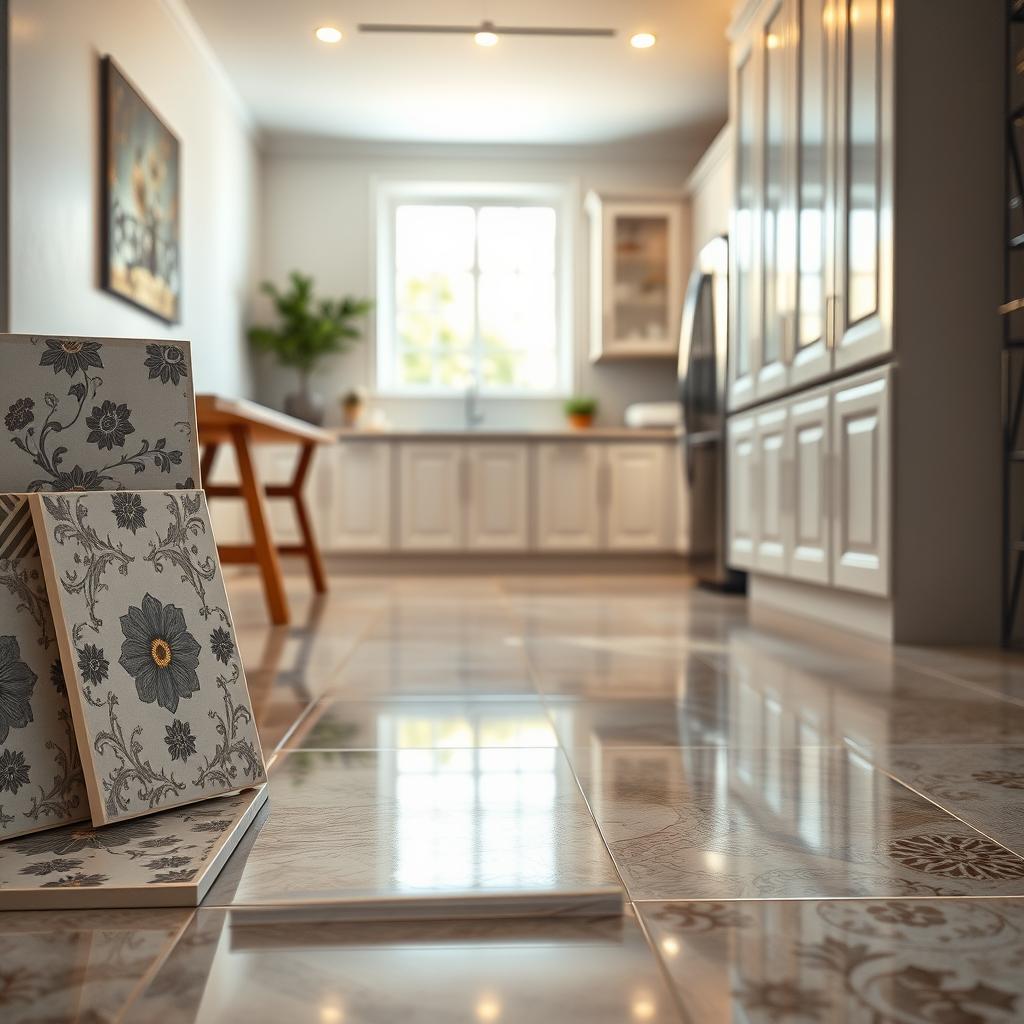
Tile brings decades of proven performance to busy cooking zones while offering endless design options.
Porcelain’s density gives it an edge for moisture control and heavy foot traffic. It resists water and stains better than many ceramic tiles, so high‑use paths stay intact longer.
Finish, size, and grout choices that stretch a room
Choose matte or lightly textured finishes for grip where spills happen. Large‑format tiles with narrow grout joints reduce visual breaks and help make small kitchen space read larger.
Rectified edges and matched grout create a seamless, modern look. Use contrast grout only when you want to highlight a pattern.
Pattern potential and near‑grout‑less options
Geometric layouts, mosaics, and herringbone add energy and define zones. Keep the palette balanced so patterns enhance the look without shrinking the space.
- Use porcelain near sinks and ranges for moisture resistance.
- Consider tile that mimics stone or wood for a warmer visual without extra upkeep.
- For tailored selections and samples, explore design help at https://zovehomes.com/kitchen/.
Vinyl and Laminate: Waterproof Looks on a Budget
If you need a practical, fast solution, modern vinyl and laminate deliver strong performance without a big price tag.
Luxury vinyl (LVP/LVT) is fully waterproof, durable, and softer underfoot. It comes in convincing wood and stone looks and works well near prep zones that see frequent spills.
Luxury vinyl vs sheet vinyl for seamless moisture defense
Sheet vinyl reduces seams for excellent moisture protection and a continuous appearance. LVP/LVT gives plank or tile visuals with easier repairs and replacement options.
Laminate’s wear layers and visuals
Laminate flooring is cost-effective and resists scratches thanks to robust wear layers. New prints mimic wood and tiles convincingly, though standard laminate is not fully waterproof.
DIY installs and project timelines
Click-lock systems speed installation for both luxury vinyl and laminate. Add enhanced underlayment for sound, comfort, and neat transitions.
- Pro tip: Prioritize waterproof vinyl near sinks and dishwashers.
- Compare wear-layer thickness and warranties before you buy.
- For samples and a tailored plan, visit our kitchen guide or review related low-cost options at low-cost bathroom options.
Hardwood and Engineered Wood: Warmth, Character, and Care
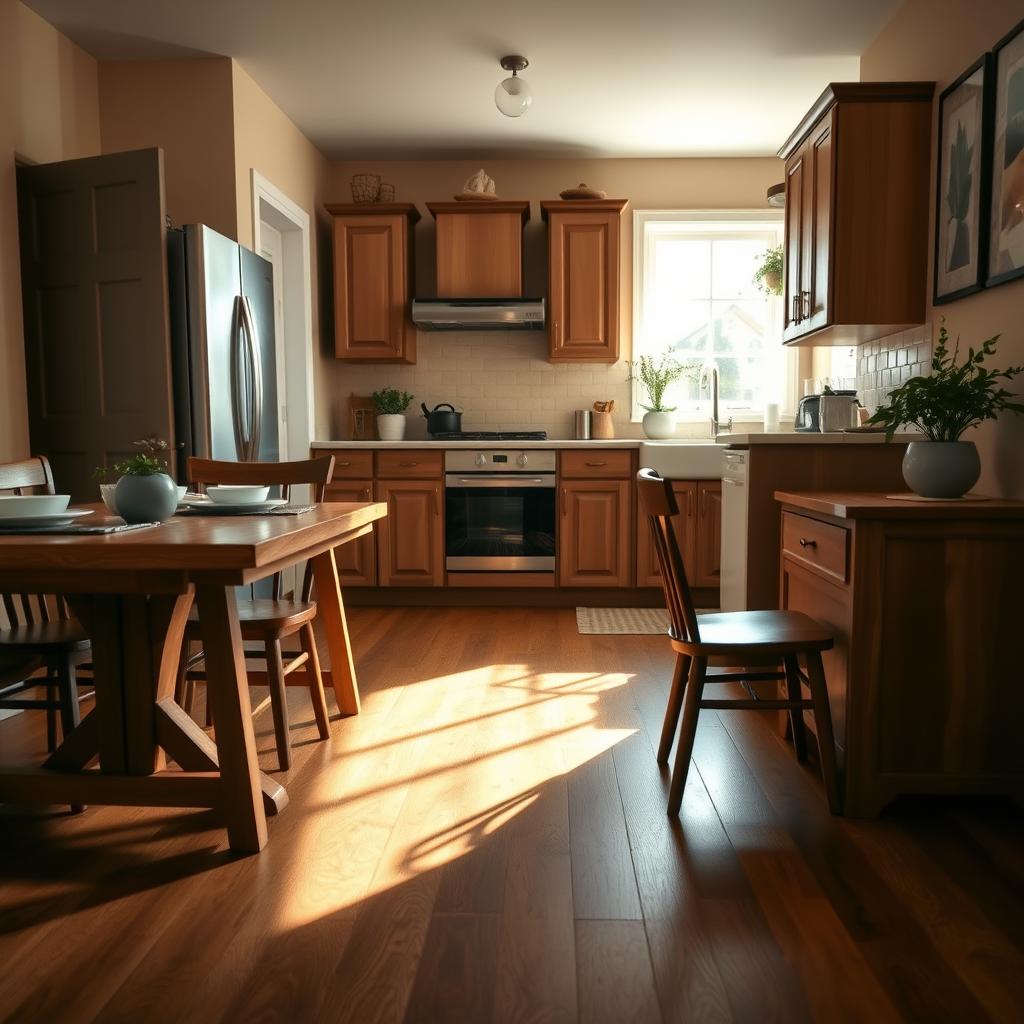
Wood brings a natural warmth that softens hard surfaces and ties a home’s style together. We recommend weighing real wood’s charm against practical needs near sinks and dishwashers.
Engineered hardwood handles humidity swings better than solid hardwood thanks to its layered, stable construction. Both options can be refinished, but engineered depends on the wear layer thickness for longevity.
Engineered vs solid in variable humidity
Pick engineered when moisture and seasonal humidity are concerns. If you prefer solid planks, select species and finishes rated for kitchens and wipe spills promptly to protect seams.
Tone, pattern, and wood‑look options
Light tones reflect light and help a compact room feel open while showing grain for timeless style. Chevron and herringbone patterns add movement that visually lengthens narrow plans.
- Practical tips: use protective mats near sinks and felt pads under stools to protect hardwood floors.
- Consider wood‑look alternatives like porcelain tiles or luxury vinyl for the wood aesthetic with higher moisture tolerance.
- Compare wear layer depth and finish (matte or satin) to gauge refinish potential and long‑term value.
For a curated wood plan that suits your layout and life, explore our project guidance at Zove Homes kitchen and see related options for tight baths at half‑bath flooring.
Natural Stone, Cork, and Linoleum: Specialty Materials to Consider
When you want personality with performance, consider materials beyond tile and vinyl. Stone, cork, and linoleum offer distinct looks and lifecycle trade-offs that suit different tastes and routines.
Stone: sealing, cleaning, and longevity
Natural stone like marble, slate, or travertine gives unmatched character and heat resistance. Seal thoroughly at installation and plan routine resealing to resist water and stains.
Choose honed or slate for better traction. Use pH‑neutral cleaners and avoid acidic products that can etch sensitive surfaces.
Cork’s comfort and eco‑cred
Cork brings a cushioned, quiet underfoot feel and thermal insulation. It’s made from renewable bark and performs well when sealed.
Proper finishing helps cork resist everyday moisture and wear, making it a strong option for longer standing tasks in compact spaces.
Linoleum’s retro‑modern appeal
Linoleum combines linseed oil, wood flour, and cork dust for a durable, water‑resistant surface with vintage charm. Large sheets reduce seams and calm the visual field.
- Practical tip: let pros handle stone substrate prep and transitions to resilient floors.
- Match veining, patterns, and tones to cabinets so the overall look feels cohesive.
- Compare maintenance cadence and total ownership cost before you decide.
Explore eco-minded selections and samples at our kitchen guide or review compact countertop pairings at compact countertop options.
Design Tricks to Make a Small Kitchen Feel Bigger
Smart visual moves can make a compact room feel open without losing character. We focus on scale, light, and pattern so the space reads larger and more intentional.
Large-format tiles and fewer visual breaks
Use large-format tiles to minimize grout lines and visual interruptions. Fewer joints make the room feel seamless and wider.
Light colors, contrast, and sunlight
Light, reflective finishes boost natural light. Dark tones can also work by blurring edges when paired with matching undertones. Contrast between cabinet color and floors adds depth while keeping cohesion.
Layouts that stretch the plane
Diagonal or herringbone patterns guide the eye along the longest run and visually elongate the plan. These patterns add movement without reducing usable space.
When to embrace bold patterns vs. keep it minimal
Busy patterns can overwhelm; if you love pattern, limit it to a defined zone or keep the palette restrained. In minimal schemes, match grout to tile and favor subtle textures for openness.
- Pro tips: extend flooring into adjacent rooms to avoid chopped-up sightlines.
- Use runners to add warmth and direction without hiding key designs.
- A satin or matte sheen balances light and glare for a livable look.
Plan your visual strategy and material selections with help from plan your visual strategy or review extra tricks to make small kitchens look bigger.
Choosing Flooring Small Kitchen: Installation, Maintenance, and Real‑World Picks
Proper prep and daily care turn a good surface choice into a reliable long‑term asset.
Pro installation essentials for long‑term performance
Hire pros who level the substrate, add underlayments, and install moisture barriers where needed. They leave correct expansion gaps so planks or tiles can move without damage.
For tile, insist on proper mortar, grout sealing when required, and movement joints. These steps prevent cracking and grout failure in high‑use areas.
Daily care: from soft brooms to mild detergent mopping
Keep floors clear of grit with a soft broom or a hard‑floor vacuum. A quick daily sweep saves wear along the main foot path.
For cleaning, damp mop with warm water and a mild detergent. Avoid harsh chemicals and excessive water to protect finishes and warranties.
Sample combos for tiny kitchens: tile, vinyl, wood, and stone
- Porcelain tiles: large format near sinks for moisture resistance and fewer joints.
- Luxury vinyl (LVP/LVT): waterproof comfort and fast click‑lock installs for shorter timelines.
- Engineered wood: warm, stable wood flooring in view lines with a matte finish.
- Sealed stone: organic texture and long life when properly sealed and maintained.
Use low‑profile thresholds and neat trims to keep sightlines clean between rooms. Shortlist products by use zone—porcelain or sheet vinyl by sinks, and wood where warmth matters most.
Ready to plan materials, schedules, and budgets? We’ll help you compare types and options so you can make a confident, choosing right decision. Explore ideas and get started now at Zove Homes kitchen or review related affordable options at affordable bathroom flooring solutions.
Conclusion
The best results blend durable materials with a clear visual strategy for long-term performance and style.
Pick surfaces that resist water, foot traffic, and everyday wear tear while matching your overall look. Porcelain tiles and ceramic tiles deliver proven longevity; sealed stone gives luxury and long life.
Vinyl flooring offers waterproof value and comfort. Engineered and solid wood, plus hardwood and hardwood floors, add warmth and real wood character when cared for properly.
Use large formats, light tones, and thoughtful patterns to expand perceived space. Balance upfront cost with lifetime value and shortlist two to three strong choices to compare in your lighting.
If you’re ready to plan the project, we can help. Get expert guidance, curated materials, and a tailored design roadmap at https://zovehomes.com/kitchen/.


