
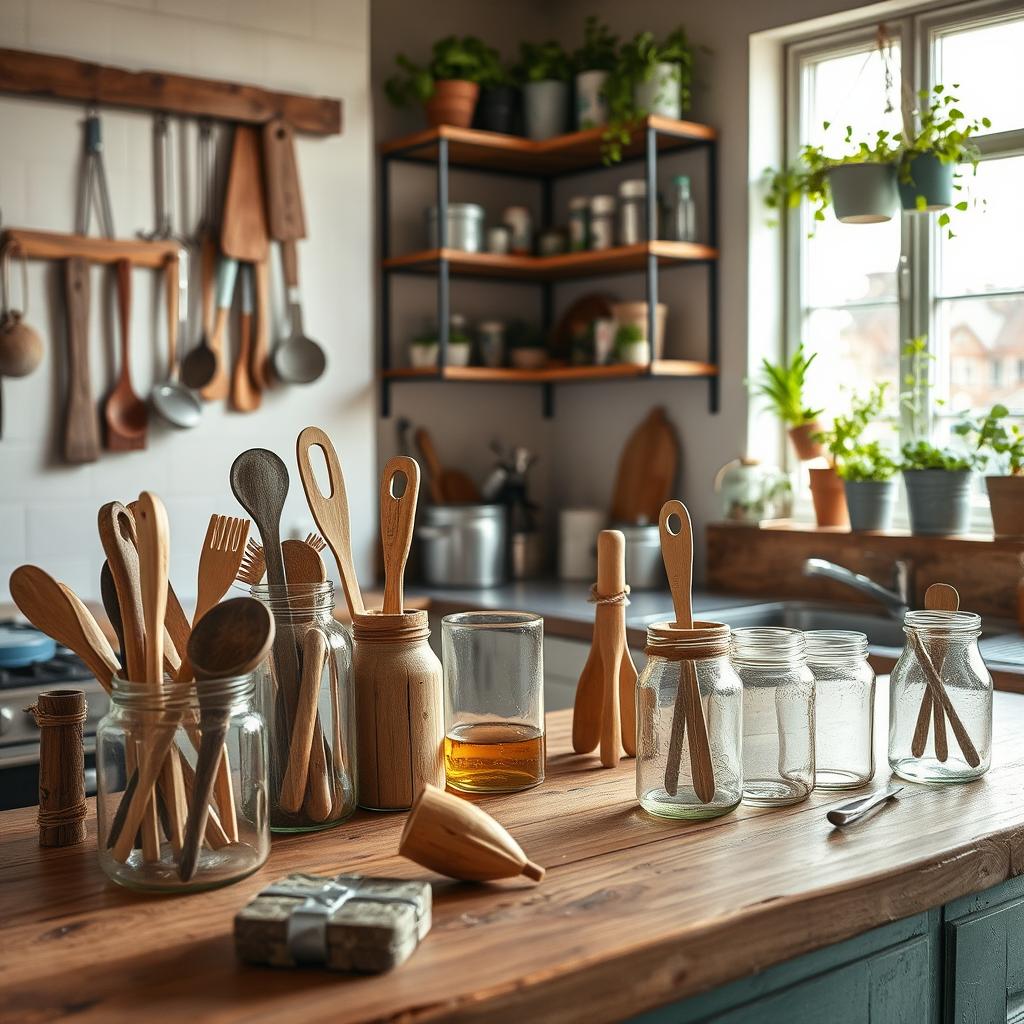
I still remember standing in a sunlit space, imagining a room that felt kinder to our family and the planet. That memory shapes how I advise clients today.
We show practical ways to choose recycled kitchen materials that lift style, cut costs, and improve indoor air. Eco-friendly choices can lower operating energy costs by up to 30%, and ENERGY STAR windows often shave another 12% from bills.
Expect clear guidance on certifications like FSC and Greenguard, on finishes from AFM Safecoat, Bioshield, and ECOS Paints, and on real costs—bamboo flooring runs about $3–$8/ft², and recycled glass countertops can be 50–75% less than granite.
We blend design expertise with sourcing tips so your remodel brings comfort, resale value, and true sustainability. If you want a full plan and inspiration, visit our portfolio and services at Zove Homes kitchen, or explore related ideas for baths here.
Key Takeaways
- Greener selections can cut energy and improve indoor air quality.
- Look for trusted labels (FSC, Greenguard) when evaluating products.
- Low-/zero-VOC finishes support healthier living without losing color or durability.
- Reclaimed wood, strand-woven bamboo, and recycled glass balance style and quality.
- Plan with costs and sourcing to boost both comfort today and resale tomorrow.
Start here: what to expect from this Buyer’s Guide and how it fits your modern kitchen remodel
A clear roadmap is the fastest way to turn design goals into a finished, functional space. In this guide we show how sustainable choices raise home value and lower long‑term maintenance costs by favoring longer‑lasting products and smart detailing.
What we cover and how to use it:
- Flow of the guide so you can align selections with your remodel timeline, budget, and desired style for the space.
- Checklists for cabinetry, counters, flooring, and finishes, with notes on where each upgrade delivers the biggest return.
- Step‑by‑step prioritization by air health, durability, and daily use to make improvements feel meaningful from day one.
Recycled tile often works equally well on floors and backsplashes, giving you design flexibility without compromising durability. Use our lists to spot quick wins versus larger investments that pay off over time.
If you want a tailored plan or to see examples, explore our services and project gallery at Zove Homes — Kitchen. We also include shoppable product categories to speed sourcing and save you time.
How to choose sustainable materials: certifications, health, durability, and real environmental impact
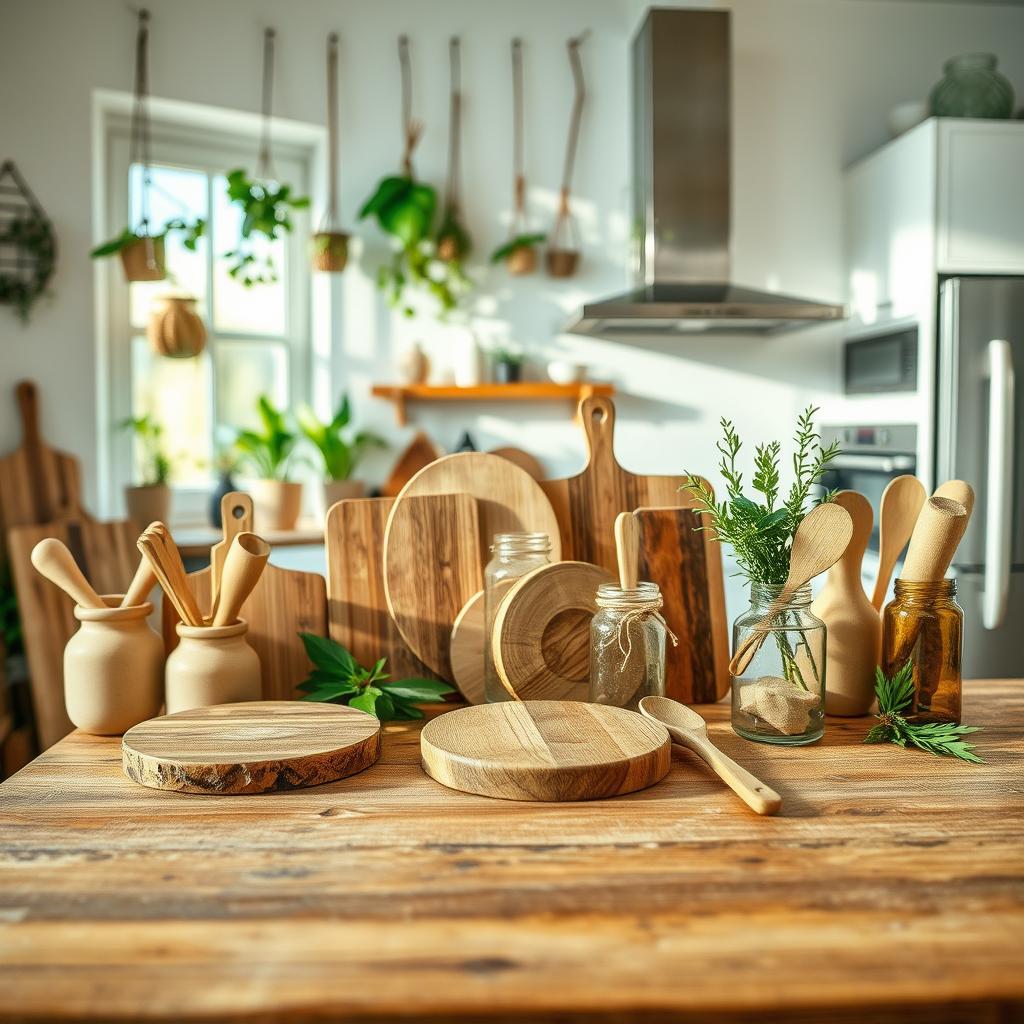
We begin by separating credible claims from marketing—and focusing on lasting performance and indoor health. Start with labels that mean something: look for FSC wood, Greenguard for low emissions, and Environmental Product Declarations (EPDs) that verify recycled content and lifecycle impacts.
Health-first selections favor low‑ and zero‑VOC paints, adhesives, and sealers to protect air quality. Brands like AFM Safecoat, Bioshield, and ECOS Paints deliver low‑emission finishes that make a measurable difference in home health.
Longevity and lifecycle
Choose products built to last: high scratch and heat resistance, repairable edges, and fully recyclable components such as stainless steel. Longer service life reduces waste and lowers total environmental impact over time.
Production and sourcing
- Ask manufacturers about energy, water use, and emissions during production.
- Verify third‑party testing to avoid greenwashing and confirm claims.
- Tie choices to outcomes: lower energy loads, less waste, and better indoor air for family health.
Cabinetry and storage: sustainable materials that elevate design and indoor air quality
Choosing the right cabinet cores and finishes is one of the best ways to improve indoor air quality. We focus on options that balance lasting design with verified environmental benefits. Start by prioritizing core construction and certified wood.
FSC-certified and solid woods pair craftsmanship with responsible forestry and long-term cabinet stability. They give a timeless look and perform well over decades.
Reclaimed wood: character and circularity
Reclaimed wood reduces demand for new timber and brings unique grain and patina to storage fronts and open shelving. Used selectively, it adds texture without overwhelming a modern plan.
Bamboo casework and organizers
Bamboo offers fast-renewing strength for casework and drawer inserts. Its dense grain resists wear and gives a clean, contemporary feel that suits busy spaces.
Formaldehyde-free plywood and MDF
Prioritize formaldehyde-free cores to limit off-gassing and protect indoor air. Pair these with low-/zero-VOC finishes and Greenguard-certified components to further improve air quality.
- Maximize vertical space and add pull-outs to reduce clutter and extend cabinet life.
- Mix solid fronts with glass inserts or reclaimed accents for refined design and visible storage.
- Choose FSC veneers or solid hardwoods for high-touch doors and drawer faces.
For trends and practical guidance on eco-friendly cabinetry, see our roundup of eco-friendly cabinetry trends.
Countertops that make a difference: recycled kitchen materials with style and strength
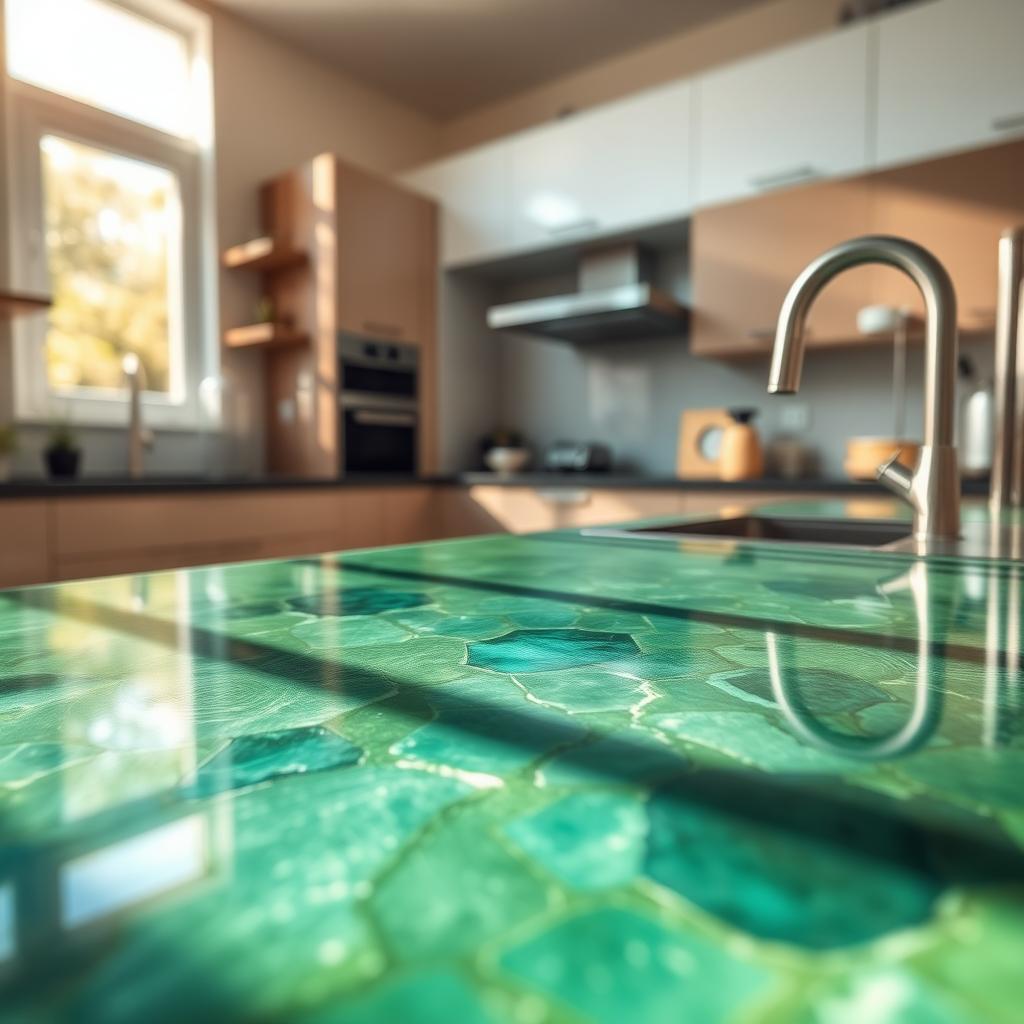
Counter surfaces balance daily use with lasting beauty, so pick options that work as hard as they look.
Recycled glass slabs deliver vivid, light-catching surfaces made from post-consumer bottle and jar content. These glass counters offer bold color and texture and often cost 50–75% less than comparable quartz or granite.
Paper composite sheets
Brands like PaperStone and Richlite bind recycled paper with non-toxic resins for warm, matte surfaces. Expect prices commonly between $1,278 and $2,132.
Responsibly sourced natural stone
Natural stone brings timeless appeal and strong durability. Choose suppliers who disclose quarry practices and transport impacts to keep beauty aligned with responsibility.
Stainless steel surfaces
Stainless steel is fully recyclable and pro-grade in performance. It integrates seamlessly with sinks, offers excellent hygiene, and resists heat and stains.
- Compare edge profiles, thicknesses, and maintenance needs to match your cooking style and durability expectations.
- Request EPDs or recycled-content verification for transparency and to meet sustainability goals.
- Consider cost and quality trade-offs so the final selection makes a measurable difference in daily use.
For backsplash inspiration that pairs with these counter options, see our ideas for a stunning finish here.
Flooring built to last: renewable, low-emission options for high-traffic kitchens
For high-traffic floors, we prioritize surfaces that stay beautiful and perform for years under daily use. Good choices balance renewability, low emissions, and practical wear resistance to support your living areas.
Bamboo (including strand-woven) is one of the hardest-in-class options. It regrows in about five years and strand-woven boards often cost roughly $3–$8 per square foot. This option offers strong durability while keeping upfront cost reasonable.
Cork adds cushion underfoot, reduces noise, and is naturally mold-resistant—perfect for active, open-plan living. It wears well with proper finish and provides a warm feel that supports daily comfort.
True linoleum (for example, Marmoleum) is made from linseed, cork dust, and natural pigments. It is biodegradable, color-through, and has low VOCs, so it stays attractive as surface wear develops.
- Recycled glass and ceramic tiles bring pattern, sheen, and slip resistance—mosaics simplify complex layouts.
- Verify low-VOC adhesives and underlayments to protect indoor air quality and long-term performance.
- Check finish sheen, traction, radiant-heat compatibility, and expansion needs to ensure the floor performs for years.
For related wet-area choices and installation tips, see our guide on eco-friendly flooring options for bathrooms.
Finishes and indoor air: eco-friendly materials that protect your family’s health
Finishes matter more than most homeowners realize — they shape daily comfort and the air we breathe.
Low-/zero-VOC paints and sealers
Specify low-/zero‑VOC paints and sealers from AFM Safecoat, Bioshield, or ECOS Paints to reduce indoor pollutants in your kitchen. These products cut off‑gassing and improve indoor air quality during and after installation.
Natural oil finishes for wood
For wood counters and cabinet faces, choose natural oil finishes like Rubio Monocoat. They highlight grain, resist water, and emit far fewer harmful chemicals than conventional varnishes.
Adhesives and binders
Ask manufacturers for emissions data and select low‑toxicity adhesives and binders. Limiting formaldehyde and similar chemicals helps protect family health and reduces long‑term off‑gassing.
Ventilation and daylighting
Plan balanced ventilation — vented range hoods and makeup air — and maximize daylighting to support perceived air quality and lower energy use.
- Sequence finishes so products cure before move‑in.
- Maintain surfaces with gentle, non‑toxic cleaners.
- Request product declarations for transparency.
Good finishes and proper ventilation deliver lasting health and quality. Choose verified products and plan so your family enjoys safer, more comfortable living.
Beyond surfaces: energy- and water-saving choices that shrink your kitchen’s footprint
Small system choices yield big savings. The right fixtures and appliances cut operating costs while improving comfort and indoor air.
LED lighting and smart layout
Upgrade to layered LED lighting for task, ambient, and accent needs. LEDs last longer and use far less energy than legacy bulbs.
ENERGY STAR appliances and windows
Selecting ENERGY STAR appliances and windows reduces utility bills and emissions. New windows alone can lower bills by about 12%.
WaterSense faucets
Install WaterSense faucets that deliver strong flow at 1.5 gpm or less. They preserve performance while saving water and energy used for heating.
Induction cooking and controls
Choose induction for faster, precise heat and better indoor air compared with combustion ranges. Pair devices with smart plugs and occupancy sensors to trim standby loads.
- Optimize layout to limit unnecessary lighting hours and appliance run time.
- Use zoning and controls to get the most from each energy-saving option.
- Consider this systems-first approach when planning an eco-friendly half-bath ideas refresh elsewhere in your home.
Recycled kitchen materials: a practical roadmap, costs, and where to start
Start with decisions that change daily life: storage that works, counters that resist stains, and floors that stand up to traffic.
Budgeting and ROI: what typically costs less, lasts longer, and boosts home value
Compare upfront cost to lifespan. Recycled glass counters often undercut granite or quartz by 50–75%, and paper composite tops commonly range $1,278–$2,132.
Bamboo floors run about $3–$8 per sq ft and deliver high hardness. Combine these purchases with ENERGY STAR windows to cut bills by roughly 12% and improve resale appeal.
Room-by-room prioritization: start with cabinets, counters, or floors for maximum impact
Begin where you touch the most: cabinets for storage performance, counters for prep durability, then floors for wear and comfort.
Phase work so one zone is finished before you add finishes and fixtures. This stretches your budget while delivering immediate benefits.
Shop smarter: evaluate environmental product declarations and manufacturer transparency
Request EPDs, recycled-content verification, and emissions data. Ask about warranty support and repair pathways to assess total value and environmental impact.
- Balance cost with operating savings and maintenance needs.
- Compare products by lifespan and resale appeal.
- Make choices that prioritize healthy indoor air and long-term use.
Conclusion
Finishing with verified, low‑emission products protects health and stretches your remodel dollars. Choose proven choices that cut waste and lower energy use while keeping high design and quality.
For counters consider recycled glass or paper composite options that deliver style at lower cost. Choose bamboo or cork for floors to gain rapid renewal and long life. Pair these with low‑/zero‑VOC finishes like AFM Safecoat, Bioshield, or ECOS Paints to reduce harmful chemicals and improve indoor air.
Use induction cooking and strong ventilation to limit byproducts and emissions. Add ENERGY STAR fixtures and WaterSense plumbing to shrink operating energy and water use.
We can help turn these options into a practical plan for your home. Ready to start a sustainable, design‑forward kitchen? Book a consultation with us at Zove Homes — Kitchen. For related bath ideas see bath design options.


