
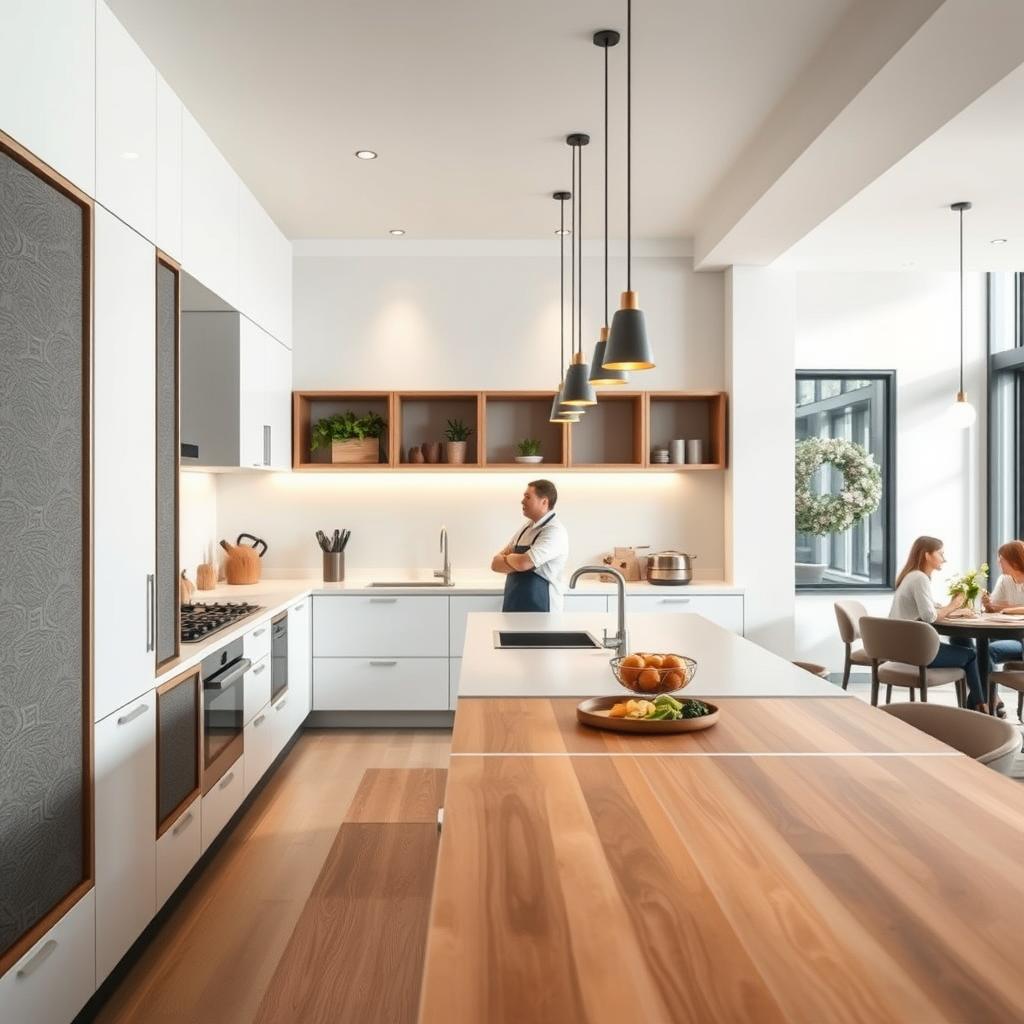
I remember the first time we remodeled a family apartment and the laughter from the living area turned into a constant buzz in the cooking space. That shift made me rethink how design and acoustics must work together.
We focus on simple, stylish fixes that change how sound travels. Full-height curtains and thick, cut-pile rugs are quick wins that reduce echo and keep natural light. Adding storage walls or feature screens breaks sightlines and limits reverberation without heavy construction.
Our goal is to improve day-to-day experience while preserving a modern aesthetic. We explain absorption versus blocking, suggest decibel targets for easy conversation, and map floor and surface choices that feel residential, not commercial.
If you want layout ideas that pair style with better acoustics, see our guide on kitchen layout ideas and book a consult at our kitchen page. Together we’ll match the right solution to your space and budget.
Key Takeaways
- Small furnishing changes can reduce sound and raise comfort.
- Use heavy curtains and cut-pile rugs to absorb reflections.
- Break long sightlines with storage walls or screens to limit echo.
- Know the difference between absorption and blocking before you upgrade.
- Set realistic decibel targets for comfortable conversation levels.
- Design-forward materials can perform well without looking industrial.
Why Open Kitchens Get Loud and What “Quiet Enough” Means Today
https://www.youtube.com/watch?v=yKiHxY-xjrk
Hard surfaces and high ceilings make everyday sounds travel farther than you expect. Glass doors, tiled backsplashes, stone counters, and metal faces reflect energy and stack sounds from appliances, utensils, conversation, and music.
We set practical targets so design choices deliver measurable comfort. For homes, a sensible benchmark is about 60–70 dB during normal use — a range that keeps dining and casual talk easy without raised voices. By contrast, many restaurants hit 90 dB+ at peaks, showing how reflections and crowding drive levels up.
- Hard surfaces create a feedback loop of reflections that make a room feel fatiguing.
- We match quieter targets to your lifestyle — cooking frequency, guests, and music preferences.
- Instead of heavy soundproofing, we prioritize absorption on ceilings and walls and smart layout tweaks for big wins.
Establishing a clear goal helps us pick the highest‑impact materials and interventions first. The outcome is a calmer experience where music and voices sound natural and the room feels balanced. Learn practical options on our kitchen page: the psychology of restaurant music and explore designs at our kitchen.
Assess Your Space: Find Noise Sources, Reflective Surfaces, and Sound Leaks
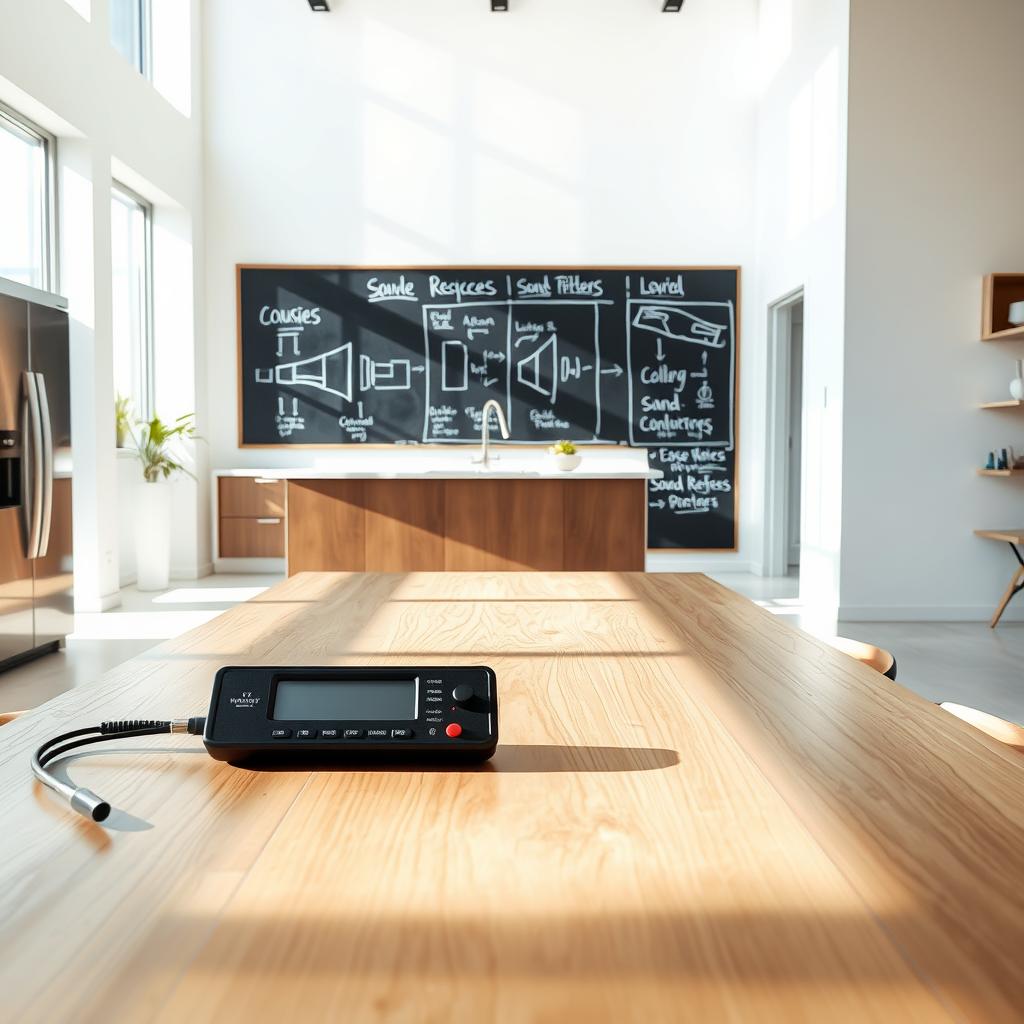
Start by walking the space and listing what makes the loudest sounds during normal use. Make a short inventory of persistent hums (refrigerator, ventilation), short bursts (blenders, grinders), and intermittent plumbing clanks. Record when these noises occur so you can spot patterns over time.
Trace reflections by standing where you cook and clapping once. Note whether glass, tiles, stone counters, or high ceilings return the clap quickly. These hard surfaces send sound across the room and raise perceived levels.
Walk‑through checklist
- Check windows and doors for gaps; small leaks act like whistles and carry sound farther.
- Remove a couple of outlet covers and feel for gaps; add acoustic putty pads and foam gaskets where needed.
- Inspect ducts and ventilation transitions; flexible connectors and acoustic grilles reduce mechanical transmission.
- Look at wall junctions and skirting; seal hairline gaps with acoustic sealant to stop transmission between rooms.
- Walk barefoot across the floor to hear impact sounds; try a runner to preview added absorption.
Photograph trouble spots and mark them on a plan. This simple map helps us prioritize fixes and budget work. When you’re ready, explore tailored solutions at https://zovehomes.com/kitchen/.
Plan the Layout to Disrupt Sound Flow and Reduce Noise Between Zones
Good layout starts by treating activity as choreography—where people move matters as much as materials. We map the room so busy tasks and quieter moments sit in distinct areas, creating a more comfortable home without heavy construction.
Create activity zones
Define cooking, prep, dining, and social areas so clatter stays near the work side and the dining area feels calmer. Islands and storage elements act as subtle buffers that look intentional and refined.
Use barriers wisely
Floor‑to‑ceiling cabinets and storage walls break long sound paths while adding storage and visual rhythm.
Partial glass partitions keep daylight and sightlines while bending sound around corners, creating perceptible quiet pockets without full separation.
Smart placement of appliances
Position loud machines—dishwashers, ice makers, grinders—against a solid wall to reduce transmission and keep them away from the dining side.
- Choose islands with solid bases rather than open shelves for better acoustic mass and a cleaner look.
- Tuck bar and beverage stations away from seating to lower perceived noise across the plan.
- Plan traffic routes so pass‑throughs avoid the dining area and reduce interruptions.
Thoughtful zoning can be part of a beautiful remodel. These layout choices reduce sound before you add materials, making later treatments lighter and more cost‑effective. Explore kitchen planning and layout ideas at https://zovehomes.com/kitchen/.
Open Kitchen Noise Control: Absorption vs. Soundproofing for Real‑World Results

Sound problems in shared cooking and dining areas usually come down to two choices: soak reflections or stop transmission. We help you pick the right approach based on goals, budget, and style.
Absorb sound to cut echoes
Absorption reduces reverberation and makes speech clearer. Use rugs, upholstered seating, and fabric‑wrapped acoustic panels on walls and ceilings.
Hanging baffles and ceiling treatments work well in tall volumes. These materials quickly tame chatter and utensil sparkle without heavy construction.
Block transmission to contain activity
Soundproofing stops sound moving between rooms. Add insulated walls, solid‑core doors, and airtight perimeter seals. Door sweeps and automatic bottoms close the last paths.
- Absorb reflections for a calmer dining feel.
- Soundproof boundaries when you must limit spill into adjacent rooms.
- Combine both: absorb inside the room, then target walls and doors for containment.
We test and iterate so you invest in the right materials and get measurable reduction. Explore curated solutions and product choices at https://zovehomes.com/kitchen/.
Windows, Doors, and Seals: Small Upgrades with Big Sound Reduction
A few well‑chosen upgrades to windows and doors can cut transmission dramatically without a full remodel. We focus on assemblies and seals that give the best return during a refresh and keep the design tidy.
Upgrade glazing intelligently
Double glazing with dissimilar glass thicknesses breaks up sound waves effectively. Acoustic laminated glass adds damping in a slim profile when you need both clarity and performance.
When replacing frames isn’t possible, a secondary glazed unit with roughly a 100 mm air gap performs nearly as well — provided the frame is sealed with acoustic sealant and flexible gaskets.
Optimize doors and seals
Swap hollow cores for solid‑core doors and fit quality perimeter seals plus an automatic door bottom. These items transform a boundary’s performance and lower perceived levels across connected areas.
- Different glass thicknesses and acoustic laminates reduce transmission with minimal visual change.
- Secondary glazing plus acoustic sealants closes leaks where window replacement is impractical.
- A solid door, good weatherstripping, and an automatic bottom create a tight, design‑friendly seal.
- For laundry or pantry areas, two doors make a compact air‑lock for extra attenuation.
These materials upgrades are compact, high‑ROI, and often deliver noticeable reductions in noise and smoother levels across the plan. If you’d like assemblies specified to match your aesthetic and performance goals, consult with us at https://zovehomes.com/kitchen/.
Walls, Ceilings, and Floors: Materials that Absorb Sound and Tame Echoes
Materials are the quiet partner in any design — they decide whether a space feels calm or clamorous. We pick finishes that look great and perform, so the room reads as refined, not clinical.
Wall treatments that work with decor
Wood paneling and slatted treatments scatter reflections and add warmth. They improve room clarity while keeping a curated look.
Fabric-wrapped acoustic panels and art acoustic panels are easy to install and highly effective. Custom prints let the panels double as artwork while they absorb sound.
Ceiling solutions for tall volumes
Ceilings carry a lot of reverb. Acoustic tiles and hanging baffles lower reverberation time without heavy structure.
Even a light textured finish changes how sound spreads and reduces the “shouty” feel in lively settings.
- Place panels opposite glass or tile and above seating to maximize effect.
- Use runners or linoleum in work aisles to soften impact and reduce foot clatter.
- These materials also help cut flutter echo between parallel walls so voices sound natural.
We tune visible treatments and hidden layers so your finishes perform and the design stays intentional. Plan finishes with us at textured walls and accent panels.
Soft Surfaces that Quiet Hard Rooms Without a Remodel
Small textile updates can transform a bright, reflective living area into a softer, more comfortable room within a day. We focus on design-forward pieces that deliver acoustic effect and a refined look.
Dress the big reflectors
Full-height curtains across window walls and glass doors absorb reflections at key surfaces. Choose dense, lined fabrics and mount from ceiling to floor with wide stack-backs to increase coverage and performance.
- Rugs: thick, cut-pile rugs under dining and lounge groups damp utensil and chair sounds and define spaces.
- Upholstered benches, fabric bar stools, and cushions add layered absorption without changing architecture.
- Decorative acoustic panels framed as art calm ringing walls while supporting your overall style.
- Sheers behind heavier drapes give daytime softness; close full curtains at night to further reduce noise.
These updates install quickly and protect your aesthetic. Explore soft-finish palettes and practical choices at soft-finish palettes.
Appliance Choices, Isolation, and Maintenance to Lower Noise Levels
Choosing the right motor and mounting makes everyday sounds fade into the background. We start by specifying appliances with low decibel ratings and inverter or brushless motors because they run smoother and emit fewer vibrations.
Choose quieter models
When shopping, prioritize manufacturer noise ratings and look for inverter or brushless designs. These models reduce hums across the full range of cycles and often perform more efficiently.
Isolate vibration
- Fit anti‑vibration feet and rubber mats under heavy units to stop structure‑borne transmission.
- Line adjacent cabinets with thin damping materials to absorb panel resonance without changing clearances.
- Install soft‑close hinges and drawer slides to cut impact sounds during meal prep.
Maintain for quiet performance
Level every unit carefully—an uneven washer or fridge often creates extra hum as parts wear. Tighten loose fasteners, lubricate moving parts, and replace worn seals on the refrigerator and dishwasher door to keep sounds steady.
These simple ways to reduce noise at the source compound with layout and materials upgrades to help you reach comfortable sound levels. For proactive specs and tailored recommendations, see our guidance at https://zovehomes.com/kitchen/.
Fast Fixes vs. Pro Upgrades: From Rugs and Plants to Acoustic Systems
You can make major comfort gains with a handful of smart, staged upgrades. We outline quick ways to reduce noise now and pro steps to lock in performance later.
Quick wins that stack fast
Start small: lay thick rugs under dining and prep zones, add tablecloths, and fit chair leg pads to dull impact on floors. These moves are low‑cost and reversible.
Place movable screens between activity areas and add plants in reflective corners to diffuse sound while softening sightlines.
Hang a few decorative acoustic panels on priority reflections — they act immediately and are easy to relocate as your plan evolves.
Pro‑level treatments for lasting isolation
For bigger gains: add mass‑loaded walls with resilient channels to decouple drywall from framing. This approach cuts structure‑borne transfer far more than surface fixes.
- Install a soundproofing door kit with quality sweeps and seals where rooms meet for a high impact with modest disruption.
- Upgrade the ceiling with acoustic tiles or integrated baffle systems to lower reverberation without stealing visual height.
- Specify materials that match your palette — modern acoustic finishes now read as design features, not afterthoughts.
Our roadmap starts with quick fixes and moves to targeted soundproofing so you spend where it matters most. Plan your phased upgrade with us at https://zovehomes.com/kitchen/.
Design Without Compromise: Reduce Noise and Keep Your Style
We believe great design should hush distractions without changing the way your home looks or feels. Thoughtful detailing lets music and conversation stay natural while the space keeps its polished look.
We integrate acoustic intent from the first sketches so treatments read as part of the plan, not an afterthought. Art acoustic panels can carry custom images with fade‑resistant finishes, and ceiling baffles come in designer fabrics and wood options to match your preferred style.
- Decorative panels and upholstered seating lower room noise and sharpen conversation for better dining and food presentation.
- Storage walls, screens, and wood slats add architectural character while trimming reflections.
- Subtle ceiling texture or slatted features can become signature elements that refine the acoustic experience.
Our approach protects the look you love. The result is a kitchen that looks polished, sounds calm, and elevates the overall dining experience. Explore tailored solutions at https://zovehomes.com/kitchen/.
Conclusion
When you prioritize where sound forms and where it travels, improvements come faster and with less disruption. Start by sealing outlets with putty pads, using flexible duct connectors, and upgrading to solid‑core doors with sweeps and perimeter seals.
By assessing sources, shaping layout, and layering surface treatments, you can absorb sound where it forms and apply soundproofing where it moves. Secondary glazing with a ~100 mm gap at windows gives big reduction without changing exterior looks.
Aim for comfortable levels in the 60–70 dB range so conversation, music, and food prep feel balanced. Maintain appliances and isolate vibration to keep sounds steady over time.
Our team can help you prioritize the right area first and sequence upgrades so each phase improves your home and your experience. Ready to plan a quieter, design‑forward kitchen? Explore options and book a consult at https://zovehomes.com/kitchen/.


