
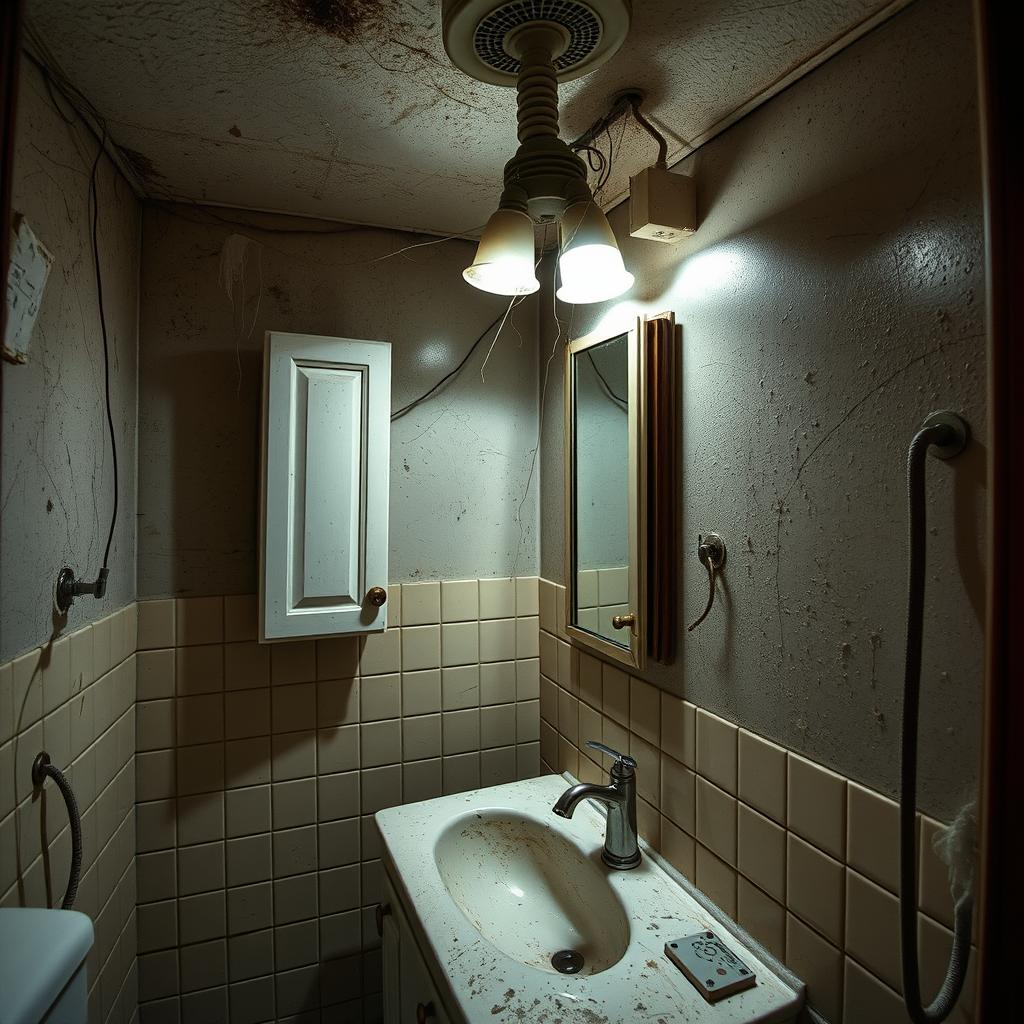
We often see beautiful renovations become daily headaches when the plan skips upkeep. Many homeowners in dry, mineral-heavy regions like New Mexico learn this quickly. Trendy choices such as matte black fixtures, vessel sinks, frameless glass, and all-white schemes can demand intense care.
At Zove Homes, we translate project lessons into clear guidance before you buy a single tile or faucet. The real mistake is not one material; it is the lack of planning across fixtures, finishes, ventilation, and waterproofing.
Common pitfalls in 2025 include poor ventilation, wrong material choices, and shortcuts in waterproofing that drive mold, hidden repairs, and faster wear. We’ll show straightforward ways to balance style and function so your bathroom looks great on reveal day and stays easy to live with.
Explore low-maintenance concepts and our approach at our bathroom page and learn from common-remodel examples here: common mistakes in small bathroom remodels.
Key Takeaways
- Trendy finishes can increase upkeep significantly; plan ahead.
- Ventilation and proper waterproofing prevent costly repairs.
- Choose finishes that hide spots and resist mineral residue.
- Design choices should balance aesthetics with daily ease.
- Early planning reduces surprises, budget overruns, and repeated cleanings.
Why Maintenance Matters More Than You Think in a Bathroom Remodel
A well-planned bathroom saves homeowners time and keeps surprise costs at bay. Small choices in finishes, layout, and ventilation shape daily upkeep and the overall project cost.
Hidden costs often outpace upfront savings. Skipping proper ventilation or choosing the wrong material can mean constant scrubbing, resealing grout, and early repairs. Those tasks add up in both time and dollars.
Smart design reduces humidity, limits splash, and shrinks grime-prone nooks. That lowers cleaning time and preserves surfaces. It also limits project delays caused by rework or moisture damage.
- Pick finishes and ventilation that cut cleaning time and staining.
- Plan layouts that control splash and protect high-use areas.
- Allocate budget for fit-for-purpose materials and contingency.
We guide homeowners through renovation choices that avoid mistake patterns and deliver predictable upkeep. For inspiration and practical solutions, visit our bathroom page: https://zovehomes.com/bathroom/
Understanding the Failure to Consider Long-Term Maintenance for Bathrooms
We design with daily life in mind, so finishes and systems stay useful year after year.
Humidity and lingering moisture shape how often a bathroom needs attention. In homes with poor ventilation, damp air accelerates grout discoloration, mold growth, and swollen cabinetry.
How humidity, water quality, and usage patterns drive maintenance
Hard water leaves mineral residue on glass and dark finishes, making frequent wiping necessary. Vessel sinks and low splash control create persistent wet zones that invite stains.
Household routines matter. Morning rushes or multiple daily showers increase wear and change how storage and finishes should perform.
Designing for lifespan, not just the reveal day
Plan materials that resist moisture and scrub well. Prioritize low-porosity tiles, sealed grout, and coatings that tolerate cleaning products without failing.
- Size ventilation and vent to the exterior to cut humidity peaks.
- Choose finishes that hide mineral marks and simplify cleaning.
- Lay out space for access so corners don’t become neglected problem spots.
Avoid mistake traps by treating ventilation, waterproofing, and material selection as one coordinated system. That reduces surprises in the years after project completion and keeps functionality high.
Choosing Trendy Fixtures That Show Every Spot and Smudge
Some popular fixture choices photograph well but show every spot in real use. That contrast matters when daily upkeep is part of your routine.
Matte black fittings and the fingerprint problem
Matte black faucets and showerheads look modern, yet they reveal fingerprints and water droplets immediately. In regions with mineral-heavy water, white spots sit on the surface and need special cleaners.
Expect more frequent cleaning and gentler products so coatings don’t degrade. That adds time to daily care and can shorten finish life if treated harshly.
Finish options that hide water marks and hard-water residue
- Brushed nickel, chrome, or stainless finishes diffuse light and hide spots better than matte finishes.
- Install aerators or a water softener to cut spotting where water quality is tough.
- Match towel bars and accessories in a similar texture to keep a consistent, low-upkeep look.
Style can coexist with practicality. Homeowners who switch from matte black to brushed finishes report less visible spotting and less daily upkeep. Pair finish choices with glass treatments in showers to further reduce visible water marks across the bathroom.
Sinks and Splash Zones That Create Daily Cleaning Headaches
Choosing the right basin affects splash, height, and how often you reach for a towel. Small decisions at the sink shape daily use more than you expect.
Vessel sinks sit higher on the counter and often throw water onto surrounding surfaces. That leaves counters wet and increases daily cleaning. Kids and shorter users can struggle with the height, which reduces functionality and creates more mess.
Vessel versus undermount: practical trade-offs
Undermount or integrated basins keep water contained and make wipe-downs fast. They help preserve wood vanities and sealants and reduce mildew risk.
- Vessel rims raise splash and wet counters, which adds frequent cleaning.
- Higher sinks can feel awkward for kids and shorten the lifespan of countertops.
- Undermount sinks streamline the bathroom feel and simplify daily care.
- If you want a vessel look, choose taller faucets with aerators and deeper bowls.
- Plan practical storage for toiletries near the sink and keep plumbing accessible for service.
Storage Mistakes That Invite Clutter, Moisture, and Mold
Cluttered shelves and tight cabinets turn a stylish bathroom into a daily hassle for homeowners. Open shelving looks airy, but steam and dust age products quickly and make labels peel.
Closed cabinetry protects essentials and keeps counters clear. Without adequate storage space, toiletries and towels migrate to surfaces and floors. That reduces usability and undermines a clean look.
- Open shelves expose items to humidity and more frequent cleaning.
- Persistent damp can cause mold growth behind clutter and in overfilled niches.
- Add sealed cabinets, recessed niches, and drawer organizers to keep items dry and reachable.
- Choose moisture-resistant finishes and hardware to avoid swelling and finish failure.
We plan storage solutions for hair tools, bulk products, and cleaning items so everything has a spot. A balanced mix of closed storage and a small display area keeps personality while protecting the space from mold and clutter.
Frameless Glass and All-White Schemes That Demand Constant Polishing
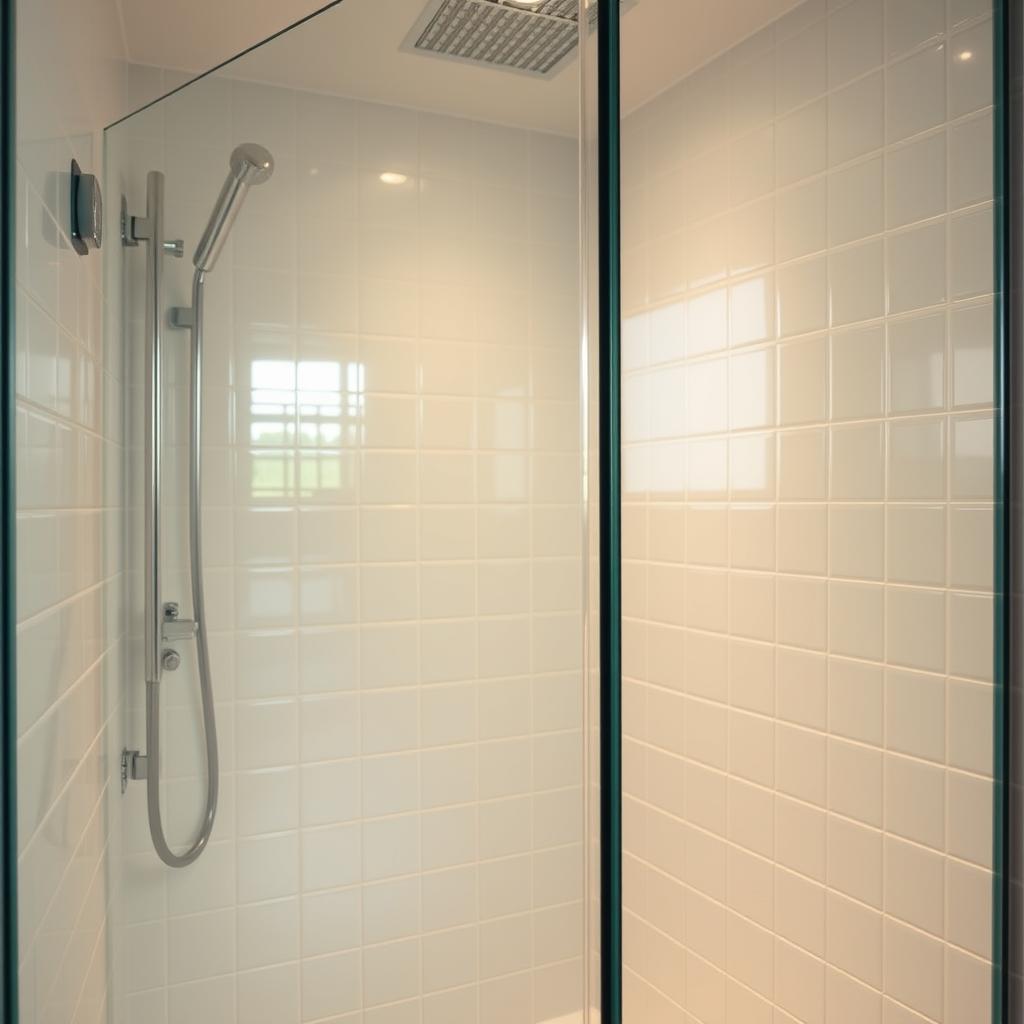
A glass shower that disappears visually can make water marks the star of your morning routine. Frameless glass maximizes visual space but also shows mineral spots quickly in hard-water regions.
All-white grout looks crisp at install and then grays with regular use. Keeping it pristine means more frequent scrubbing and periodic resealing.
We recommend low-iron glass, protective coatings, or lightly textured panels to hide spotting in wet areas. Mixing warm neutrals or variegated tile tones helps mask minor residue while keeping a bright feel and strong style.
- Frameless glass needs daily squeegeeing or a hydrophobic coating to stay clear.
- Proper slope, splash guards, and well-placed towel bars cut drip lines and reduce water damage outside the shower.
- Homeowners who love crisp white should pick high-performance grout and plan a realistic cleaning routine to avoid leaving homeowners frustrated in high-humidity climates.
Tiny Mosaic Fields and Busy Patterns with Endless Grout Lines
Tiny mosaics bring visual charm but hide a maintenance burden in plain sight. Hundreds of grout joints trap dirt, soap scum, and mildew, which means extra scrubbing and frequent resealing.
We recommend larger-format tiles in high-use wet areas. Larger tiles cut grout lines, look seamless, and make future repairs simpler.
- Mosaic carpets are gorgeous but multiply grout lines and raise cleaning demands.
- More grout equals more places for mold growth, especially in showers and splash zones.
- Use patterned tiles as feature walls or borders while keeping floors and wet walls simple.
- Specify high-quality grout with sealer and plan scheduled resealing to reduce repairs.
- Busy patterns increase installation complexity and can complicate storage and access around drains and corners.
When clients love detail, we balance it with low-upkeep zones so the overall design stays beautiful and practical. Smart choices preserve the look you love while trimming hours from weekly cleaning and protecting valuable space.
Freestanding Bathtubs Without a Plan for Cleaning Access
A sculptural freestanding tub can define a room, but it often creates hidden cleaning challenges.
Gaps under and behind the tub collect dust, hair, and moisture. Those tight areas make weekly cleaning awkward and time-consuming.
Splashing around all sides raises slip risk and can lead to water damage on unprotected floors and adjacent finishes. Built-in options simplify wipe-downs and reclaim storage in the same footprint.
Practical choices cut upkeep and keep the design livable. If you choose a freestanding piece, plan clearance for mops and vacuums, add a handshower, and position the tub filler to reduce overspray.
- Hard-to-reach areas collect debris and moisture; plan access routes and cleaning tools.
- Pick a floor surface with grip and drainage to limit slips and lower repair risk.
- Consider integrated decking or built-in tubs to control splash and free nearby storage.
- We evaluate footprint, circulation, and fixtures so your statement piece stays beautiful without extra maintenance.
Statement Wallpaper and Materials That Can’t Beat Bathroom Humidity
Bold wallpaper can transform a powder room, but steam and high humidity often reveal hidden risks.
Wallpaper edges can peel and bubble in a steamy bathroom. Those seams let moisture sit behind the paper and raise the risk of mold and mold growth. Removal may pull drywall tape and cause costly damage during a later project.
We recommend moisture-resistant paint when homeowners want personality with simpler upkeep. A rich paint color gives instant style and a polished bathroom feel without the adhesive risks of paper.
If you must use pattern, limit it to low-humidity zones like a powder room or an accent wall above closed storage. Use an appropriate primer, continuous ventilation, and a clear finish on trim and cabinetry to protect surfaces from steam and reduce repaint cycles.
- Wallpaper best kept out of high-steam shower walls.
- Proper primers and exhaust fans extend lifespan.
- Protect storage and trim with durable coatings to avoid repeated repairs.
Rainfall Showerheads with Disappointing Pressure and Heat Loss

A ceiling rainhead can feel like a spa upgrade, until water pressure reveals the trade-offs.
Ceiling-mounted rainfall fixtures often look luxurious in showrooms but underperform in real bathroom installs with average pressure. Reduced rinsing power extends shower time and raises hot water use. That hurts comfort and pushes utility bills higher.
Heat loss from overhead delivery can make winter showers colder. Choosing wrong here can leave homeowners frustrated with daily experience despite spending on a premium fixture.
- Showroom flow is not the same as in-home pressure; test pipes first.
- We favor adjustable, pressure-optimized heads that balance coverage and functionality.
- Pairing a handheld gives true versatility and avoids costly swaps later.
We test site pressure, specify proper valve systems, and recommend solutions that save time and prevent project delays. That approach keeps style without sacrificing real-world performance.
Failure to Consider Long-Term Maintenance for Bathrooms Starts with Ventilation
Proper airflow makes the difference between a lasting bathroom and constant repair calls. Ventilation is the maintenance backbone: without it, humidity lingers, feeding mold and undermining finishes and caulk.
Proper fan sizing, placement, and ducting to the exterior
Size exhaust fans for your bathroom volume so you reach roughly 8–10 air changes per hour. That level of exchange controls moisture peaks and protects finishes.
Place the fan near the shower or tub to capture steam at the source. Always duct straight to the exterior—never into an attic—and minimize bends that cut performance.
Humidity sensors, timers, and real-world performance
Add humidity-sensing controls or a timer so the fan runs long enough after use. That prevents hidden problems that show up later as peeling paint, musty odors, or mold.
- Ventilation protects mirrors, paint, cabinetry, and grout from excess moisture and premature wear.
- We evaluate your environment, fixture layout, and door undercuts to keep air moving effectively.
- Get ventilation right to avoid mistake loops that lead to recurring touch-ups and higher project costs.
Waterproofing and Moisture Control: Preventing Mold and Water Damage
Small waterproofing lapses quietly grow into major repairs that derail a renovation budget. The most costly problems start with single coats, missed corners, or unsealed penetrations.
We specify full membrane systems and meticulous detailing at corners, niches, and every plumbing penetration. That prevents hidden leaks that ruin framing and subfloors and spread into adjacent areas.
Membranes, corners, and penetrations done right
Proper sloping and integrated drains keep water moving toward the outlet. Without proper execution, moisture migrates into vulnerable areas and causes unseen damage.
Why shortcuts here become the most expensive repairs
Shortcuts in waterproofing create failures that demand invasive repairs and high costs. Insurance often denies claims tied to renovation-related water intrusion, so doing it correctly matters for coverage.
- Waterproofing is not the place to economize. Quiet leaks cause the worst damage you only find later.
- Coordinate plumbing rough-ins with the membrane layout to avoid punctures and weak points.
- We test, document, and pressure-check key steps so your project avoids mistake cycles and stays structurally sound.
- A robust system protects your bathroom renovation investment and reduces the chance of costly repairs.
For homeowners who want hands-on guidance, see our practical guide on DIY waterproofing for bathrooms and ask us about site testing and documentation plans.
Materials and Finishes Built for Daily Use, Not Just Showrooms
Good looks are only useful if materials hold up under daily use and the local climate. Showroom stunners can fail in humid, high-use environments. We pick finishes that perform, not just photograph well.
Low-porosity tiles, quality grout, and sealed surfaces
Select low-porosity porcelain tile in wet zones and reserve soft stone for low-splash areas. Use epoxy or high-performance grout and schedule realistic reseal intervals.
Fixture and paint choices that simplify cleaning
Favor fixtures with smooth geometries and resilient finishes so dirt has fewer places to hide. Moisture-resistant, scrubbable paint keeps walls fresh and makes touch-ups fast.
- Design around durable products that suit your environment.
- Avoid choosing wrong options that etch or stain; the right choice helps save money over time.
- Build in smart storage solutions to keep counters clear and reduce residue buildup.
- We vet fixtures and materials so the bathroom looks refined and stays easy to live with.
Plan, Budget, and Timeline: Avoiding Delays and Maintenance Regrets
A thoughtful timeline keeps trades coordinated and preserves the integrity of adhesives, membranes, and finishes.
Allowing time for proper installation and curing
Rushing cure windows undermines grout, sealers, and membranes. That leads to early repairs and added cost.
We schedule realistic cure periods and buffer days between trades. This reduces project delays and keeps workmanship strong.
Setting contingency for better materials and ventilation
Most successful remodels include a 15–20% contingency for unknowns and upgrades. That budget handles hidden issues and smart investments in ventilation and waterproofing.
- Detailed plan: reduces surprises and keeps each trade in the right sequence.
- Contingency: 15–20% protects against unseen repairs and lets you upgrade where it matters.
- Coordinate early: plumbing, electrical, and ventilation should be locked before ordering finishes.
- Respect cure times: skipping them is a common cause of rework and added cost.
- Clear schedule: protects the timeline and helps avoid mistake patterns that extend the project.
We align budget with upkeep goals so you spend on durability, not just looks. Working with experienced professionals lowers risk and helps the bathroom stay beautiful with less effort over time.
Work with Experienced Professionals to Save Money Over Time
Hiring the right team upfront saves you repair bills and keeps the schedule on track. We help homeowners avoid repeat work by matching skills, permits, and on-site management to each project.
Selecting licensed pros, permits, and code compliance
Licensed professionals coordinate trades, pull permits, and confirm code compliance so systems like plumbing and waterproofing are done once and done right.
- The right team anticipates pitfalls and specifies correct systems to protect your investment.
- Licensed pros handle permits and inspections so your bathroom meets code and performs in real-world use.
- Quality plumbing, electrical, and waterproofing work is invisible when done right—and painfully obvious when it’s not.
- Homeowners who vet references and past projects avoid costly rework and timeline slip-ups.
- Experienced professionals help allocate budget where it matters most and genuinely help save money over the lifecycle.
- We coordinate trades to keep spaces orderly, protect finishes, and maintain a clean, safe jobsite.
Professional management lowers stress and preserves the integrity of your bathroom renovation from demo through final clean.
Explore Low-Maintenance Bathroom Designs and Get Expert Help
A thoughtful plan turns high-use spaces into low-effort rooms that perform every day.
See durable, easy-care ideas tailored to your space
Explore real-world solutions that cut scrubbing, control humidity, and protect finishes through smart materials and layout choices.
We tailor storage solutions so everyday items and towels have a home. This keeps counters clear and chores minimal.
Get guidance and start your project
- We curate fixtures, tiles, and coatings that balance functionality with style.
- See low-porosity surfaces, high-performance grout, and hardware that resist wear in active households.
- Get advice from experienced professionals who prioritize safety, durability, and comfort.
Ready to start a smarter bathroom renovation? Explore ideas and book a consult at https://zovehomes.com/bathroom/. We’ll help you plan a maintenance-light bathroom that looks incredible and works effortlessly.
Conclusion
A lasting bathroom blends smart systems with simple daily routines, so your investment keeps paying off.
We guide homeowners through choices that cut cleaning time and help save money across the life of a renovation. Plan for humidity, water quality, and user habits to avoid mistake traps that lead to rework and regret.
Prioritize proper ventilation, robust waterproofing, durable materials, and thoughtful storage. That protects your project, limits poor ventilation risks, and reduces project delays in tight spaces.
Partner with a team that values real-world experience and practical design. If you’re ready to design a low-upkeep space, explore our approach and book a consult at our bathroom page or learn the best way to remodel a bathroom.


