

We start every renovation with one simple goal: keep your home orderly and your belongings safe. Ignoring storage plans can slow a project and damage items. That’s why we outline clear steps to assess scope, duration, and furniture categories before work begins.
Early planning means choosing between off-site self-storage with climate control, on-site portable containers, or professional full-service movers. Clean items, disassemble large pieces, and use breathable covers to prevent trapped moisture.
Label boxes, keep a photo inventory, and stack heavier boxes on the bottom. Place daily essentials at the front and leave safe pathways for crews. Check periodically for pests or damp spots, and consider extra insurance for valuables.
We’ll guide you through practical solutions and simple tips so your renovation stays on schedule. For bathroom projects, we connect practical staging to planning help at our bathroom hub: https://zovehomes.com/bathroom/.
Key Takeaways
- Plan storage early to protect belongings and keep the project efficient.
- Choose climate-controlled options for wood and sensitive materials.
- Clean, disassemble, use breathable covers, and label clearly.
- Keep photo inventories and stack boxes with heavy items below.
- Reserve easy access for daily items and inspect for moisture or pests.
- Consider movers or full-service storage for packing and transport.
Why storage planning makes or breaks your remodel
Proper storage planning decides whether a renovation finishes on time or turns chaotic. Construction brings dust, vibration, and heavy foot traffic that raise the risk of damage to furniture and decor.
Treat the project like a short move: pack thoughtfully, label every box, and take photos so reassembly is fast and accurate. That simple discipline reduces costly rework and keeps crews from working around clutter.
Choose your option based on climate, moisture risk, access, and lease terms. Garages and spare rooms work if they stay dry. Off-site units or portable containers are better when multiple rooms are affected or when secure, climate-controlled space is required.
- Right-sized units speed loading and preserve safe work zones for trades.
- Climate control protects wood and leather; dry, clean areas guard textiles.
- Professional services reduce stress by handling packing and logistics.
We recommend building storage into your project plan and budget the same way you schedule demo and finishes. For bathroom projects and tailored solutions, visit our bathroom hub for focused help: common bathroom mistakes and solutions.
Assess your storage needs before demo day
Before the hammer falls, we measure what must move and what can stay. Start with a quick inventory that tags items by size, fragility, and how often you use them. This step helps us right-size the storage solution and saves money.
Scope, timeline, and inventory: right-sizing your solution
Map the scope and time for the project. A two-week bath refresh needs far less space than a 10-week, whole-house renovation project.
- Measure furniture and count boxes to estimate cubic footage.
- Disassemble large pieces to save space and protect joints.
- Build a photo catalog and spreadsheet inventory for boxes and belongings.
Room-by-room prioritization for easy access
Group items by rooms so reinstallation is simple. Place frequently needed items near the front and create a clear aisle for access.
Tip: Define environmental needs for delicate furniture or instruments and lock down a retrieval plan that matches your construction schedule. Once you’ve scoped wet areas, review our bathroom page for targeted guidance.
Storage options that protect your belongings during renovations
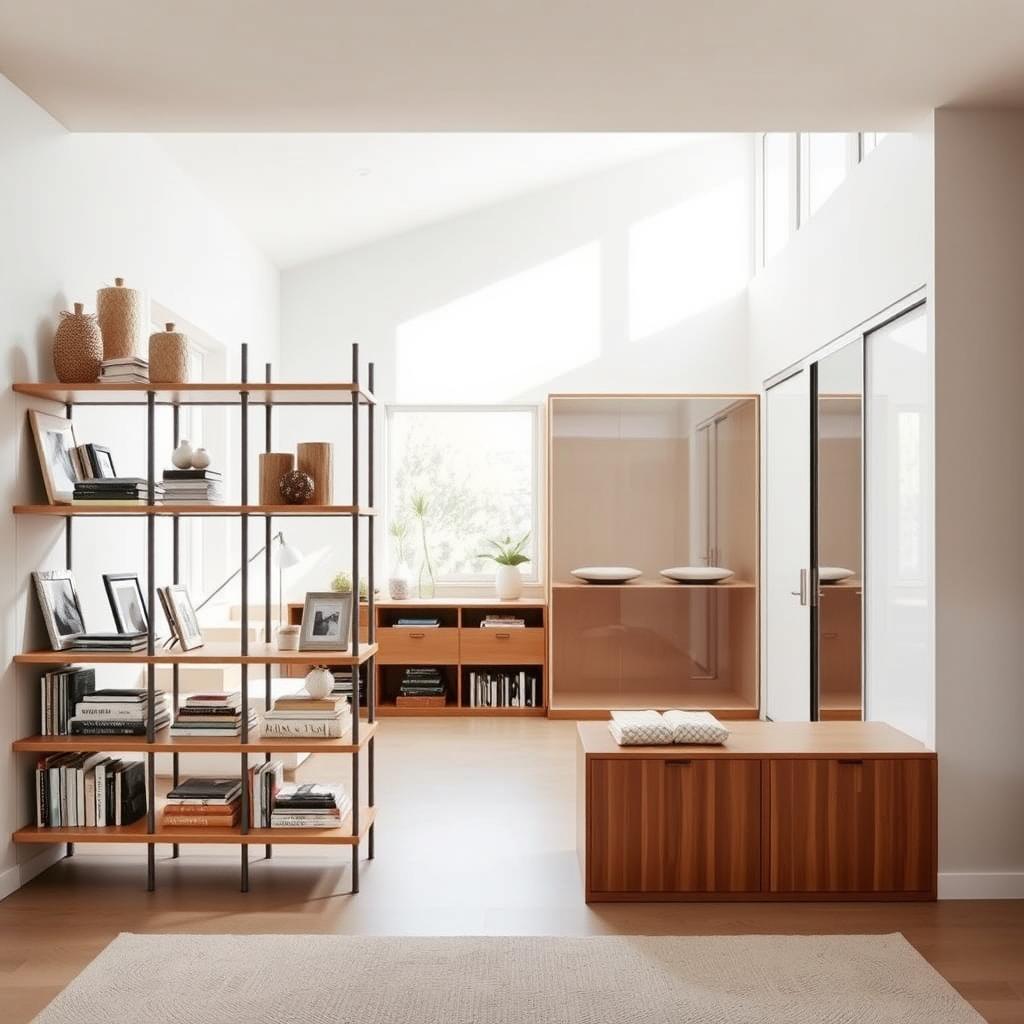
Choosing the right holding solution protects belongings and keeps work zones clear. We walk through in-home choices, off-site units, portable storage, and friend or family options so you can pick what fits your schedule and budget.
In-home choices: garage versus spare room trade-offs
Garages give generous space but can expose items to moisture, temperature swings, and critters. Use pallets, sealed bins, and tarps to lift and shield goods.
Spare rooms stay cleaner and drier but often lack capacity. Protect floors, use breathable covers, and keep clear paths for crews.
Off-site flexibility: self-storage units and climate control
Self-storage units come in many sizes and often offer climate control. This option is ideal for wood furniture and electronics.
Verify security features, access hours, and lease terms at the facility before you sign.
Portable storage containers for on-site convenience
Portable storage is delivered to your driveway and can be moved to a secure center. It simplifies loading and works well for staged projects and tight urban homes.
Phone-a-friend and family options: etiquette, risks, and safeguards
Keeping items with friends can save money. Label every box, protect their floors, and agree on a clear end date to avoid strain.
Tip: For high-value or climate-sensitive belongings, prioritize climate-controlled units with strong surveillance and on-site staff. If you’re staging fixtures, consult our bathroom hub for guidance: https://zovehomes.com/bathroom/.
How to prepare, pack, and label to prevent damage and dust
A smart pack-and-label routine saves time and prevents damage to belongings. Start by cleaning each item to remove oils and grime that can promote mold. Dry everything fully before covering to avoid trapped moisture.
Next, disassemble furniture where possible and bag hardware. Tape the hardware to its matching piece to simplify reassembly. Use breathable fabric covers and moving blankets — not plastic — so finishes can breathe and dust won’t settle on surfaces.
- Pack boxes snugly with quality filler; place heavier boxes on the bottom and lighter ones on top to prevent crush damage.
- Build a consistent label system: room, category, and unique box number. Tie each number to a photo inventory for easy retrieval.
- Maximize vertical space with sturdy shelving and leave a central aisle for easy access to any box without unpacking everything.
Before sealing drawers or electronics, photograph cable layouts and shelf arrangements. Those quick snaps speed reinstallation and reduce guesswork. Keep a small “remodel survival” bin at the front of your holding area with tools, chargers, and cleaning supplies for daily needs.
Tip: For specialty fixtures and fragile bathroom pieces, follow our staging guidance on the bathroom hub to protect finishes and speed reinstall. We recommend this step when planning your overall process.
Protecting fragile and valuable items from risk damage

Protecting fragile and valuable items starts with simple packing choices that stop damage before it happens. We focus on cushioning, climate, and placement so your heirlooms and electronics arrive back in perfect condition.
Bubble wrap, breathable covers, and cushioning best practices
Wrap delicate pieces in bubble wrap or packing paper and double-box when needed. Fill voids so boxes don’t shift.
Use breathable covers for framed art and mirrors, and add corner protectors. Elevate furniture on pallets or shelving to reduce damp contact and allow airflow.
Insurance, safes, and discreet placement inside units
Keep valuable items in a home safe or off-site safe deposit. Hide them behind bulky furniture in the unit and avoid obvious labeling.
- Cushion fragile items with bubble wrap and packing paper; double-box and fill gaps.
- Elevate stored items and add felt pads to heirloom furniture to prevent finish damage.
- Confirm insurance limits and consider a rider or facility protection for high-value pieces.
- Keep a condition log with photos and dates so you can track any risk damage promptly.
neglecting storage needs during a remodel: common mistakes to avoid
A short misstep in handling belongings can cause long-term damage and slow the process. We urge homeowners to be proactive and plan before contractors arrive.
Common pitfalls are simple but costly. Don’t skip pre-storage cleaning; dirt and trapped moisture lead to mildew and finish issues. Avoid plastic sheeting directly on wood or leather — breathable covers are the better option.
We also see the same packing errors repeatedly. Poor labeling makes retrieval slow and disrupts the workflow. Stacking heavy boxes on fragile items causes crush damage to furniture and art.
- Don’t skip cleaning; prevent odors and mold.
- Choose breathable covers over plastic.
- Never put heavy loads over delicate items.
- Label consistently and keep photos tied to box numbers.
- Avoid long leases for short projects — pick the flexible option.
- Keep aisles clear and front-load daily essentials for the crew and your family.
Plan, measure, and add modest surplus capacity. If wood furniture or instruments are involved, pick climate control. For bathroom-specific guidance, consult our bathroom hub to keep your home renovations on schedule.
Plan for easy access, climate, and ongoing maintenance
Think of your holding area as a short-term workspace that needs routine care. Set clear goals for access and protection so stored belongings return in good condition after renovation.
We front-load essentials near the door and keep a clear center aisle for quick retrieval. That simple layout gives fast access without unpacking the entire unit.
Front-load essentials, check for moisture/pests, adjust over time
Schedule brief inspections over time to catch dust, moisture, or pests early. Early fixes save money and protect furniture and textiles.
- Front-load essentials for easy access and maintain a clear center aisle so retrieval is fast.
- Prefer a climate-controlled storage unit or facility in variable climates to protect finishes.
- Re-balance stacks if boxes settle; keep heavier items below lighter items for stability.
- Keep a shared digital inventory for stored items so family or contractors find what they need in time.
- If using a portable unit, arrange short-term re-delivery for mid-project access and then return it to off-site storage.
These practical solutions reduce downtime on site and help your home project proceed on schedule. For fixture staging cadence and bathroom-specific guidance, visit our bathroom hub.
Bathroom remodels: storage solutions that keep your project on schedule
Bathroom projects demand tight sequencing to keep trades moving and prevent clutter. We focus on short-term holding plans that protect vanities, tubs, mirrors, and glass while keeping work areas clear.
Use portable containers or an off-site unit for bulky fixtures so porcelain and stone are out of the way. Wrap mirrors and glass doors in bubble wrap and cover wood vanities with breathable fabric to avoid trapped moisture.
- Stage fixtures off-site to free space in tight rooms and protect delicate furniture and tiles.
- Portable storage can hold tubs, shower systems, and tile pallets while preserving access for crews.
- Label small hardware bags and keep that box at the front for quick access to valves, drains, and kits.
- Choose a climate-controlled unit for wood vanities and stone tops to reduce warping or finish damage.
- Sequence deliveries “just in time” and keep a photo-based damage checklist for each high-finish piece.
For tailored design and scheduling help, explore our bathroom ideas and get help now: https://zovehomes.com/bathroom/. If you need hands-on support, consider labor-only movers to shift heavy fixtures and keep your renovation on track.
Conclusion
A clear holding strategy gives crews room to work and protects your furniture and finishes.
We recommend choosing among garage, spare room, portable storage, or climate-controlled units based on space, access, and security. Prep with cleaning, careful packing, sturdy boxes, and breathable covers to cut dust and damage risk.
Use consistent labels, photo inventories, and sensible stacking so boxes and fragile items are easy to find. Front-load essentials and keep a center aisle for quick access as the project moves through demo, rough-in, and finish phases.
For expert planning and tailored bathroom ideas, visit our hub and start your plan today: https://zovehomes.com/bathroom/. These simple steps keep your renovation on time and your valuable items protected.


