

Curious whether hiring a pro really saves time, money, and stress when you plan a kitchen remodel?
We guide homeowners through practical steps to hire the right team for a modern design and safe, compliant work. Licensed professionals manage permits, inspections, and trades, helping avoid costly mistakes and keeping timelines clear.
Typical full remodel costs in California range widely, but reputable firms offer itemized estimates, written warranties, and milestone schedules so you can plan with confidence.
We’ll show what to check—licenses, verified reviews, insurance, and sample work—so your project aligns with your vision and daily needs.
For local examples and to start a quote, visit our page on top contractors in Seattle or explore our kitchen hub to start your project today.
Key Takeaways
- Licensed, insured pros protect safety and ensure code compliance.
- Compare itemized estimates and milestone schedules for clarity.
- Check CSLB status and verified reviews for punctuality and craft.
- Expect warranties and clear contracts to reduce risk.
- Plan budget realistically; quality materials and experience add value.
Understand your goals and search intent before you hire
https://www.youtube.com/watch?v=iwa1baTxjDE
Begin with a clear picture of the end result so proposals line up with your vision and needs.
We recommend translating priorities into a short brief that outlines scope, must‑haves, and non‑negotiables. This helps teams estimate labor, materials, and time more accurately. Clear communication and written expectations reduce surprises and keep the project on track.
- Define scope: cosmetic refresh or full remodel with layout and systems updates.
- List must‑haves and nice‑to‑haves so proposals are comparable.
- Create a mood board and short brief to reflect design, material options, and workflow needs.
- Set a realistic budget range with a contingency and align it to finish level and brands.
- Agree on timeline milestones, selection process, and how the team will handle approvals.
Request itemized estimates that separate labor, materials, allowances, and fees. Compare bids fairly and capture all agreements in writing.
For inspiration and to translate goals into a scoped request, visit our kitchen inspiration. Also read about aligning intent and search when you vet proposals at search intent resources.
How to find kitchen remodeling contractor
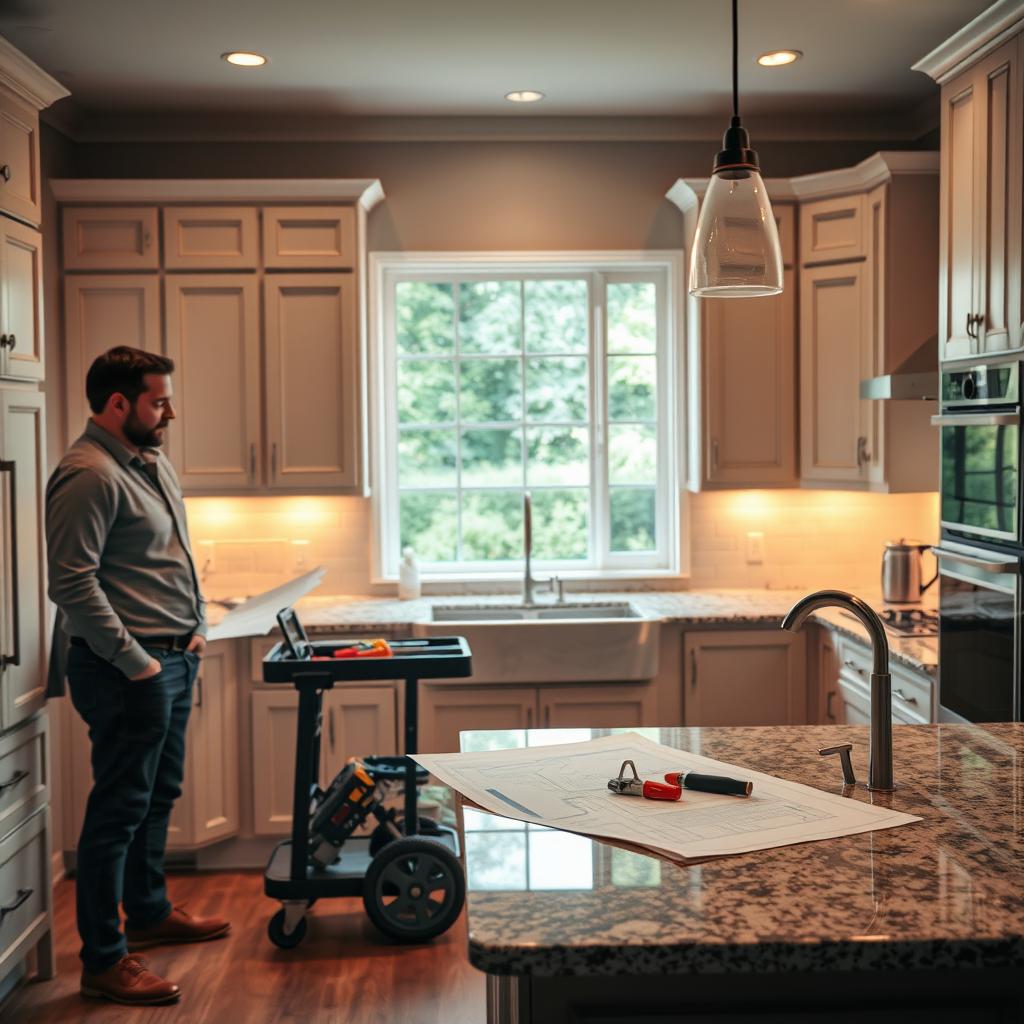
Begin by researching at least three reputable firms on BBB, Yelp, Houzz, and Google Reviews. We recommend building a short list that shows services, location, and recent projects so comparisons are meaningful.
Read verified reviews and testimonials for punctuality, communication, and craftsmanship. Note how the business responds to complaints and what clients say about timelines and attention to details like cabinets, grout lines, and material transitions.
Verify licensing and insurance before you proceed. In California, confirm CSLB status, liability coverage, and worker’s comp to protect your home and timeline. Scan portfolios for recent projects—ideally in the last 12 months—to check finish quality and layout execution.
- Request three comparable quotes with itemized scope, allowances, and payment schedules so you can judge value, not just price.
- Ask about typical payment structure (for example, a 10% deposit, milestone installments, and final retainage).
- Favor local firms who know permits, inspection workflows, and area codes to reduce delays.
Contact references from similar work and ask if timelines were met and what could improve. When you shortlist pros, you can compare services and request a consult via our consult page to streamline outreach.
What to expect from a professional contractor’s process
A clear, staged workflow turns a renovation idea into a finished space with fewer surprises. We start with an initial consult and a free in‑home assessment so the project goals and site conditions are captured. A dedicated project manager becomes your single point of contact.
Design development includes showroom selections for cabinets, tile, and countertops, plus finalized drawings and 3D renderings. This helps you approve materials and layout before construction begins.
- Documented scope with pricing ranges, timeline, and a clear agreement.
- Permit acquisition and coordinated scheduling of trades for plumbing, electrical, and HVAC rough‑ins.
- Orderly construction phases: demolition, preparation, and precise installation of cabinets and countertops.
Throughout, we enforce craftsmanship checks—level, plumb, and flush details—and keep communication steady so decisions and lead times stay on track. A punch‑list walk‑through and final inspection close the project.
When you’re ready to experience a structured, transparent process, request a consultation.
Budgeting, materials, and timeline considerations
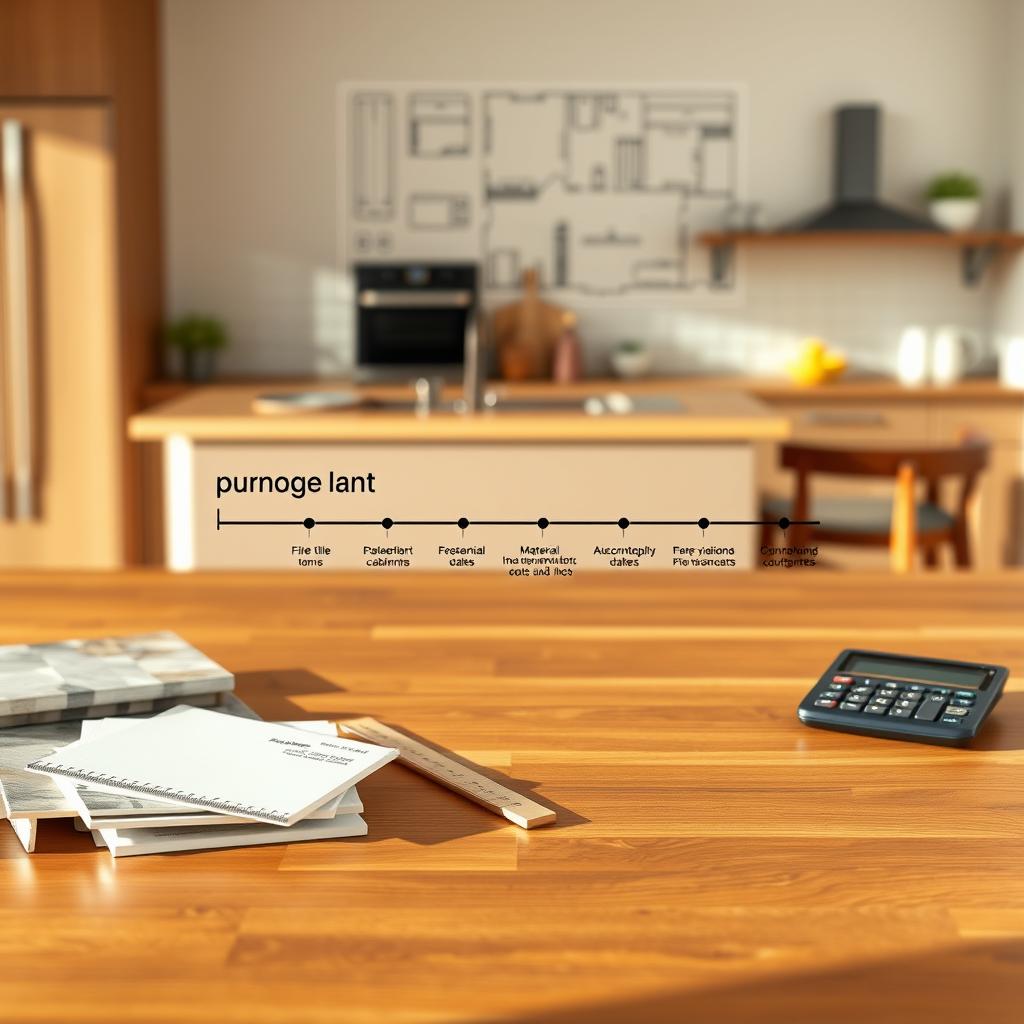
Budget clarity and realistic timelines make the difference between a smooth remodel and constant delays. Start by asking for a line‑item estimate that separates labor, materials, allowances, and fees. This gives you a clear picture of costs and choices.
Create an itemized budget with allowances and contingency for unexpected conditions
Build a budget that spells out labor, materials, and allowances for selections like countertops, cabinets, and lighting. Many pros recommend a 10–15% contingency for hidden conditions such as subfloor repairs or plumbing reroutes.
Choose durable, cost‑effective materials for key surfaces
Select materials that balance lifespan and price. Quartz countertops, factory‑finished cabinetry, and resilient flooring are smart options that reduce long‑term upkeep.
Set a realistic schedule and communicate milestones to avoid delays
Align procurement with the schedule: order long‑lead items early and confirm milestone dates—demolition, rough‑ins, inspections, installation—so everyone knows what “on time” means.
- Clarify services included—delivery, installation, and haul‑off—to prevent scope gaps and change orders.
- Tie payments to progress so budget, schedule, and quality oversight stay aligned.
- Review value engineering options that protect core performance while lowering cost.
Use our kitchen page to compare options and request an itemized estimate before finalizing selections and timelines.
Due diligence, red flags, and contracts that protect your project
Before you sign anything, take time to verify licenses, insurance, and past performance so your project stays on track. We urge a brief review of credentials and written assurances to reduce risk.
Insist on clear communication, detailed contracts, written warranties, and proof of insurance
Require a detailed contract that defines scope, inclusions/exclusions, schedule, payment terms, and written warranties in plain language. Keep every change documented through a clear change‑order process.
- Verify license status and insurance; ask for certificates and the CSLB number before work begins.
- Read reviews to spot patterns in responsiveness, scheduling, and quality work—not just star ratings.
- Call recent project references and confirm how the process unfolded and if commitments were met.
- Watch for red flags: no insurance proof, vague estimates, bids well below market, or unrealistic timelines.
- Confirm daily supervision, documented inspections, and sign‑offs at milestones to ensure attention detail.
Compare multiple quotes and use our checklist, then inquire through our kitchen connection page to contact vetted pros. In California, always verify CSLB status and request liability and worker’s comp certificates before work starts.
Conclusion
A thoughtful finish ties your whole renovation together and protects your budget and daily routine.
Hiring a professional brings safety, code compliance, and higher quality results. Local experience speeds permitting and keeps the project on track.
Compare multiple quotes, verify licenses, and insist on clear contracts so scope, milestones, and payments are documented. This reduces surprises and protects your home.
Consider whole‑home impacts like plumbing or flooring transitions when planning a sequence of projects. For bathroom tips and tight‑budget ideas, see our guide on renovating a small bathroom.
Ready to move from vision to reality? Explore examples and request a consultation at our kitchen page today.


