
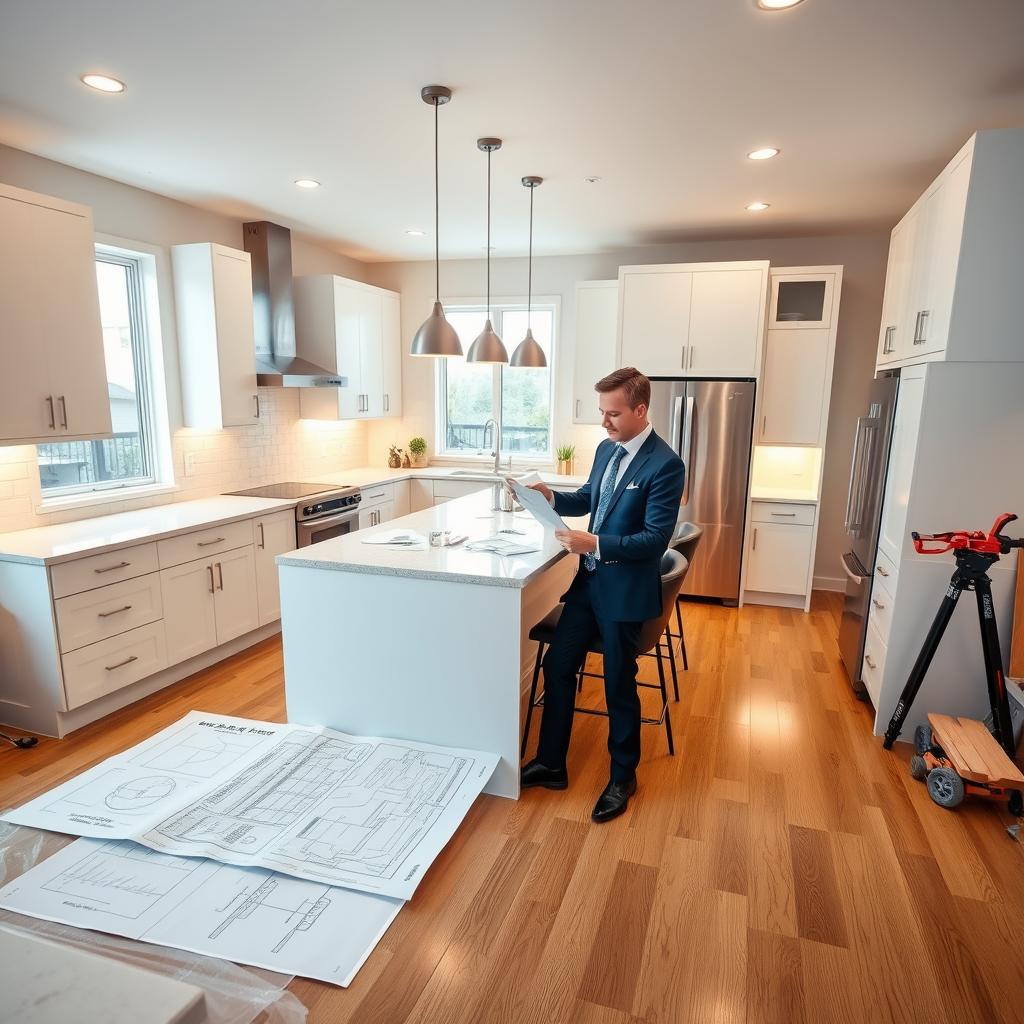
Explore our approach at https://zovehomes.com/kitchen/ and see how design/build choices shape daily life and resale value.
Have you ever wondered why some kitchen projects finish on time while others stretch into costly delays?
We believe the answer starts with careful screening. The kitchen is the heart of your home and a smart remodel can boost both everyday comfort and market value.
Good hiring protects your budget and your timeline. That means checking licenses, insurance, permits, and a clear scope with milestone payments before work begins.
Throughout this blog, we share a simple pathway—shortlist, interview, verify, compare—so homeowners can turn a vision into a practical plan without common pitfalls.
Expect actionable checklists and interview prompts that describe what sets seasoned professionals apart in design, cost control, and day‑to‑day experience.
Key Takeaways
- Start with documented credentials and transparent estimates.
- Confirm permits, insurance, and a detailed scope to limit surprises.
- Use a shortlisting and interview process to compare service and cost.
- Translate design goals into a realistic schedule with milestones.
- Prioritize experience and clear communication for long‑term value.
Why Vetting Matters Before a Kitchen Remodel
A careful screening process is the single best way to protect your budget and schedule for a major remodel.
Modernized spaces boost buyer appeal and green upgrades can lower energy costs. But not all contractors deliver the same quality or follow legal requirements.
Skipping due diligence can make a homeowner the de facto general contractor, increasing liability and risk. Permits and insurance exist to protect you from financial and legal exposure if something goes wrong.
Vetting reduces the chance of budget overruns, schedule slips, and workmanship disputes that erode home value. A vetted pro anticipates inspections, long lead times, and hidden conditions and plans contingencies.
- Filter out firms without current licenses or insurance.
- Confirm references and comparable remodeling projects.
- Require clear timelines, permits, and realistic milestones.
We encourage you to review our process and case studies at https://zovehomes.com/kitchen/ to see how a verified approach leads to smoother construction and finish details that stand the test of time.
Define the Project: Scope, Design Goals, and Non-Negotiables

Start by translating daily routines into measurable goals so every choice supports how you live. A clear scope turns vague ideas into a phased plan that holds teams to deliverables and timelines.
Translating lifestyle needs into a clear scope of work
We recommend listing habits: cooking routines, number of cooks, entertaining patterns, and storage needs. Then convert those needs into layout decisions and a written scope that defines phases and responsibilities.
Setting priorities: function, finishes, and future value
Prioritize workflow, zones, lighting, and ventilation before selecting finishes. Early appliance choices are crucial; dimensions drive cabinet design and countertop work and reduce rework.
Documenting the process with drawings and specifications
Use drawings, product specs, and a phase-by-phase scope to limit change orders. Allowances help when selections are uncertain, but set clear ranges to keep the project on budget and on schedule.
- Protect non‑negotiables (range size, built‑in fridge, sink layout).
- Balance aesthetic choices with durable materials for long life.
- Preserve historic character while updating systems where needed.
For scope examples and a full design process, see our offering at https://zovehomes.com/kitchen/
Licenses, Permits, and Insurance: The Non‑Negotiables
Proper licensing and active insurance turn uncertainty into manageable risk for any construction plan.
Most states require a licensed contractor for home improvement. Ask for license numbers and confirm standing on your state licensing site. This reveals complaints, bonds, or disciplinary actions before work starts.
Verifying contractor licensing on your state site
Request the contractor’s license number and check it online. Confirm that specialty trade licenses (electrical, plumbing, HVAC) are current when sub‑trades are involved.
Permits, general liability, and workers’ comp: protecting the homeowner
Permits are required for electrical, plumbing, structural, additions, and most demolitions. Clarify who pulls permits—your contractor should handle this as part of the project.
- Require insurer‑issued certificates for general liability and workers’ compensation that list your home and project dates.
- Verify coverage limits fit the scale of the construction and any load‑bearing or MEP work.
- Make permit inspections part of the schedule and keep all approvals and sign‑offs for resale documentation.
Include license, permit, and insurance details in the contract and require maintenance of valid coverage through the duration of work. When in doubt, verify then consult with us for next steps at our design/build guide or learn how to find affordable contractors.
Experience That Counts: Portfolios, References, and Similar Projects
Real-world projects reveal how a team handles surprises and keeps to a schedule.
Compare portfolios for size, style, and complexity. Look for consistent cabinet reveals, tight miters, and clean tile lines. Those visual cues show attention to detail and long-term quality.
Ask for 3–5 recent clients and 1–2 older contacts. We suggest asking past clients: Were timelines met? How was communication during surprises? Did the contractor honor the contract and budget?
- Verify permits, inspections, and sample punch lists for similar work.
- Check whether the remodeler coordinated MEP, cabinets, and counter sequencing.
- Request before/during/after photos to see dust control and daily site care.
Long-tenured firms—those with many years in business—tend to warn against corner-cutting and emphasize durability. Compare portfolios, then schedule a consultation at https://zovehomes.com/kitchen/ to review specific examples and next steps.
Budgets, Pricing Models, and Schedules That Prevent Surprises

A transparent pricing plan makes it easier to control costs and keep the project on track.
We start every proposal with a clear budget breakdown that separates labor, materials, allowances, and a contingency line. Milestone payments then align cash flow to completed phases so cash moves only after visible progress.
Milestone payments, allowances, and realistic contingencies
Tie payments to demonstrable milestones: demo complete, rough‑ins passed, cabinets set, counters installed, and substantial completion. That protects homeowners and gives the contractor predictable receipts.
Include a contingency (10–15%) and defined allowances with decision deadlines. This prevents last‑minute choices from blowing the budget and helps preserve long‑term value.
Target timelines and how delays are handled in the contract
Require a written schedule with an estimated completion date and critical‑path items. Factor lead times for custom cabinets, appliances, and countertop fabrication into the time window.
- Choose a transparent pricing model so your remodeling project has clear cost controls.
- Build contingency and protect high‑risk line items like electrical upgrades.
- Document change orders and an approval process for delays to reduce disputes.
Ready to align scope, budget, and schedule? Discuss your scope and budgeting with us at https://zovehomes.com/kitchen/ to set realistic expectations and protect your home’s value.
Quality and Process: How Pros Build Kitchens That Last
A disciplined sequence on site keeps work moving and prevents costly rework. We follow a clear order of operations so each trade can complete its scope and protect finished surfaces.
Order of operations matters: demolition and structural repairs, rough MEP (plumbing and electrical), inspections, cabinets, countertop templates and install, flooring, paint, and final punch. Installing cabinets before floors often yields cleaner transitions and easier future floor work.
Cutting corners on materials or trades almost always costs more later. Cheap hinges, poor substrate prep, or skipped code updates lead to failures and repeat construction. Prioritize durable finishes, code‑compliant rough‑ins, and proper substrates for long life.
Measure twice, install once
Confirm dimensions for appliances, cabinetry, and counter templates before fabrication. Accurate specs protect clearances, reveals, and appliance fit and reduce costly on‑site adjustments.
- Follow a disciplined construction process to limit rework and protect quality.
- Use moisture‑appropriate subfloors and correct substrate prep for tile, LVP, or wood.
- Sequence trades with site protection and clear boundaries to avoid damage.
Lean on experience to anticipate field adjustments and align construction with design intent. For a full overview of our process and to request a consultation, see our process guide at kitchen remodeling guide and visit our process page at our process overview.
Communication, Team, and Jobsite Etiquette
Clear, predictable updates make living through a remodel far less stressful for homeowners. We assign a single point of contact so questions have one answer and decisions move quickly.
Single contact, regular updates, and living in place
Expect daily or weekly summaries that cover progress, inspections, upcoming deliveries, and actions you need to approve. This keeps the project on schedule and reduces interruptions to your routine.
- Choose a team that sets jobsite etiquette: dust barriers, floor protection, HEPA filtration, and cleanup each day.
- Plan a temporary prep area at home and agree on quiet hours, pet procedures, and access rules.
- Require photo updates, on‑site introductions for people on the job, and a clear change‑order process for surprises.
We invite you to meet our team and review our process at our kitchen process. Service standards should include a punch list and warranty follow‑through so your home is cared for long after substantial completion.
vet reliable remodeler kitchen: Red Flags and Contract Essentials
Before you sign, learn the warning signs that separate sloppy bids from honest proposals. We urge homeowners to look for omissions and unclear timelines that cause expensive delays and rework.
Spotting poor craftsmanship and too‑good‑to‑be‑true bids
Watch bids that sit far below the market. They often skip necessary MEP updates, downplay labor, or plan to avoid permits.
Inspect past work for uneven cabinet gaps, lippage in tile, crooked trim, or misaligned outlets. Those small flaws reveal systemic quality issues.
Must‑have contract terms: scope, specs, permits, insurance, schedule
Your contract must spell out scope, itemized specifications, who pulls permits, and required insurance limits. Include payment milestones tied to milestones, a clear change‑order process, and lien release requirements with each payment.
- Define allowances and budget guardrails for cabinets, counters, and fixtures.
- Require punch list procedures, warranty terms, and response times.
- Insist that the remodeling contractor prices inspections and MEP updates, not shortcuts.
For a standard contract checklist, request our template at https://zovehomes.com/kitchen/ to protect your project and budget.
Where to Start Today
Take control today with a short, focused plan: shortlist, interview, and visit job sites. These three steps reveal process fit, schedule realism, and daily site habits that matter for any remodel.
Shortlist, interview, and site visits: your next three steps
Begin with a tight shortlist of 3–5 companies that show deep kitchen portfolios and positive local clients. Then schedule interviews to assess process, timelines, and communication style.
- Prepare questions about scheduling, sequencing, permit strategy, and supplier coordination for your remodeling contractor.
- Request a current jobsite visit to check protection, cleanliness, and crew staging during a kitchen remodel.
- Compare proposals side‑by‑side: same scope, specs, and allowances so you can judge true value for your home.
- Ask about vendor relationships and lead times for cabinets, countertops, and appliances to make your remodeling project realistic.
- Review sample contracts, milestones, and warranty terms; prioritize responsiveness and transparency as much as price.
For further reading, see a guide on how to find top contractors and a local list of professionals in our how to find and vet the best luxury and our profile of top kitchen and bath contractors.
Ready to begin? See examples and book a consult at https://zovehomes.com/kitchen/ to move your project forward with clarity.
Conclusion
The difference between a headache and a proud finish comes down to planning, proof of experience, and a fair contract.
Define scope, confirm appliance dimensions, and agree on a timeline before construction starts. This disciplined approach keeps the budget steady and reduces rework.
Choose a remodeling contractor who shows similar projects, clear budgets, and strong communication. Expect a process that coordinates trades, inspections, and milestones so homeowners avoid unnecessary risk.
When you’re ready to move from planning to action, start with us. Visit our page on top kitchen and bath contractors or begin a consult at https://zovehomes.com/kitchen/ for a personalized plan.


